 Bug FAQ
Sylvan Worm and Slug Hunter
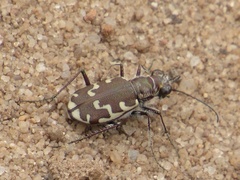
Carabus sylvosus · Order: Coleoptera · Family: Carabidae
Also called: Woodland Ground Beetle
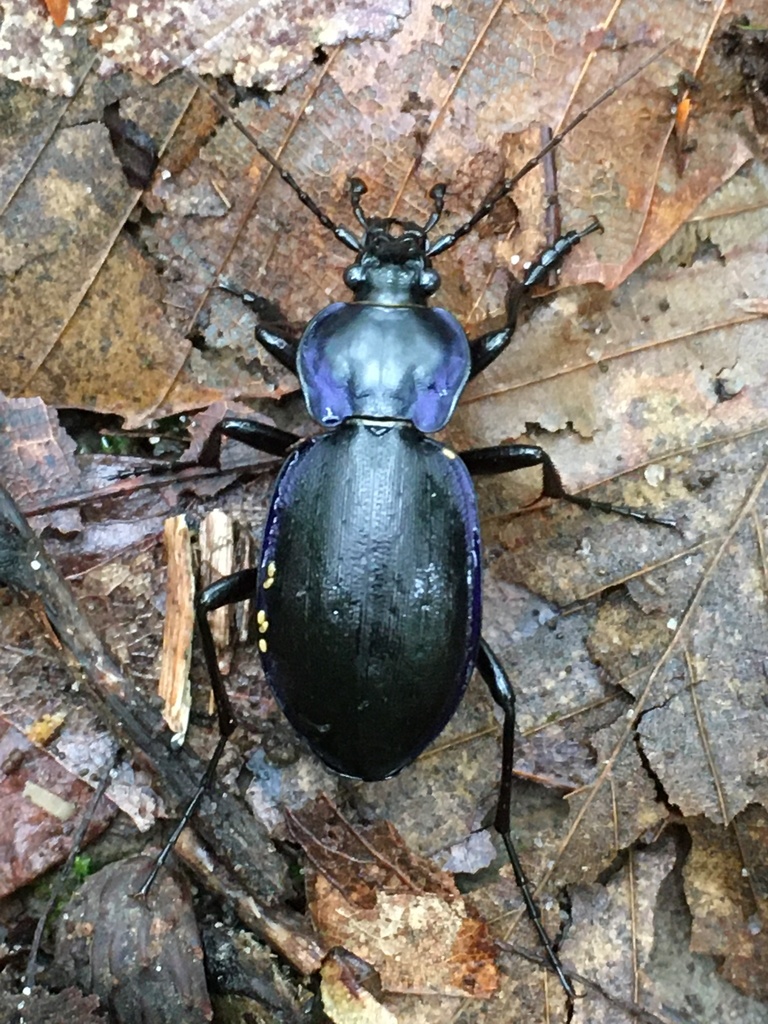
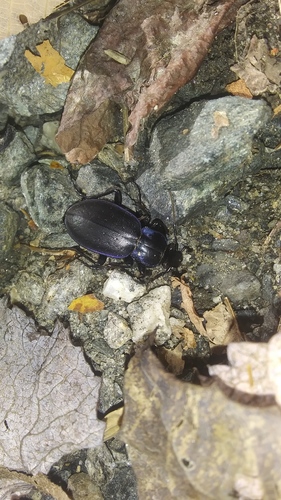
The Sylvan Worm and Slug Hunter lives in North American wooded areas such as mixed deciduous and coniferous forests and orchards. Adults have reduced wings, are active at night, and feed on moth and beetle pupae.
Source: Wikipedia
Size
Adults have reduced (brachypterous) wings. Adults are active during the night.
Source: Wikipedia
Where it lives
It inhabits wooded areas in North America, including mixed deciduous and coniferous forests and orchards.
Source: Wikipedia
What it eats
It preys on the pupae of Lepidoptera (moths and butterflies) and on scarab beetles.
Source: Wikipedia
When you see it
Adults are nocturnal.
Source: Wikipedia
Where it comes from
It is native to North America.
Source: Wikipedia
Where it is found in the US
Recorded in 29 of 51 states and DC. Most records: Wisconsin, Alabama, Tennessee, Kansas, North Carolina, New Jersey, Pennsylvania, South Carolina.
Darker = more records. Counts are museum and citizen-science records, not population size.
Source: GBIF
Status: native in North America; native in Canada. Source: iNaturalist
Months it is reported in the US
Source: GBIF
More photos
Questions people ask
Where can I find the Sylvan Worm and Slug Hunter?
It lives in North American forests and orchards, especially mixed deciduous and coniferous woodlands.
Source: Wikipedia
What does the Sylvan Worm and Slug Hunter eat?
It hunts and eats moth and butterfly pupae as well as scarab beetle larvae.
Source: Wikipedia
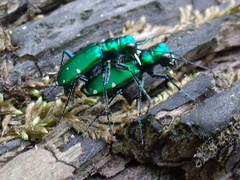
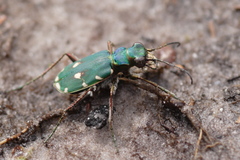
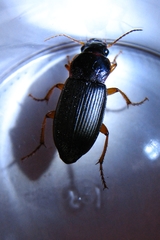
Same family (Carabidae)


Sources
- Wikipedia: https://en.wikipedia.org/wiki/Carabus_sylvosus
Look it up elsewhere: GBIF · iNaturalist · BugGuide · ITIS · Wikipedia
Text written 2026-10-24 from the sources above and checked sentence by sentence against them. Data fetched 2026-10-24.