 Bug FAQ
Sunflower Maggot Fly
Strauzia longipennis · Order: Diptera · Family: Tephritidae
Also called: Sunflower Maggot
Source: Wikipedia
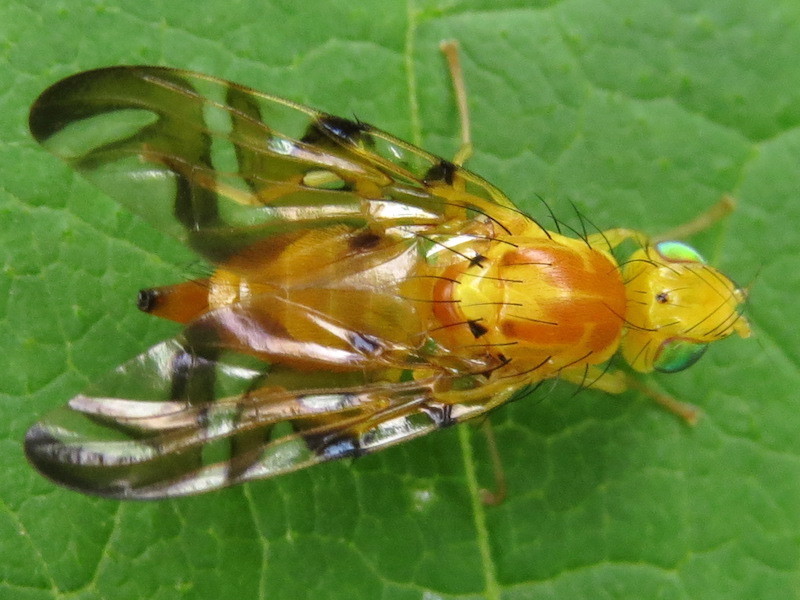
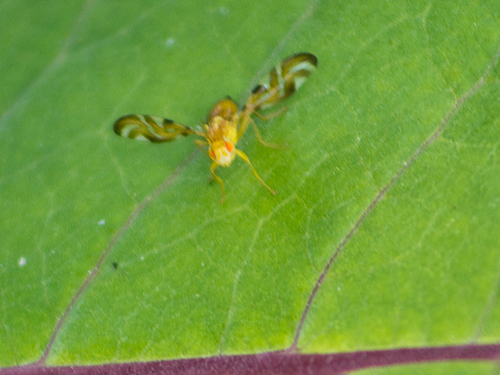
Adult Sunflower Maggot Flies are about 6 mm long with 7 mm wings and are yellow-orange with distinctive orange-brown F-shaped wing markings. The larvae are yellowish-white, about 5 mm long, feed inside sunflower stems for roughly a month, then overwinter as pupae in the plant base or soil. Adults appear from May through August, depending on location.
Source: Wikipedia
Size
Adults measure about 6 mm in length with wings about 7 mm long, which is relatively large for a tephritid fly.
Source: Wikipedia
Is it a pest in the house?
It is a minor pest whose stem-mining larvae cause only light damage.
Source: Wikipedia
Where it lives
Adults are found from May to August, varying with location.
Source: Wikipedia
What it eats
Larvae mine the stems of sunflowers (Helianthus spp.) and are considered a minor pest. Larvae are yellowish-white, about 5 mm long, feed inside the stem for around 30 days, then pupate in the plant base or soil.
Source: Wikipedia
When you see it
The flight period of the adults spans May through August.
Source: Wikipedia
Where it is found in the US
Recorded in 30 of 51 states and DC. Most records: Pennsylvania, Maine, Kansas, Virginia, North Carolina, Illinois, Minnesota, New York.
Darker = more records. Counts are museum and citizen-science records, not population size.
Source: GBIF
Status: native in North America; native in Canada. Source: iNaturalist
Months it is reported in the US
Source: GBIF
More photos
Questions people ask
What plants do the larvae damage?
The larvae mine the stems of sunflowers, causing light damage.
Source: Wikipedia
When are adult Sunflower Maggot Flies active?
Adults are present from May through August, depending on location.
Source: Wikipedia
How can I tell this fly apart from similar species?
It has a yellow-orange body and an F-shaped orange-brown band on the wing tip, unlike Gymnocarena diffusa and Neotephritis finalis which have different feeding habits.
Source: Wikipedia
Same family (Tephritidae)
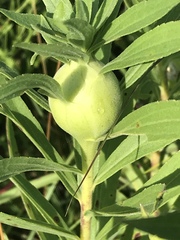 Goldenrod Gall FlyEurosta solidaginis
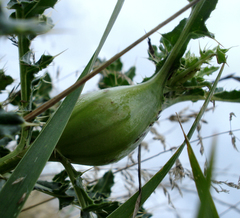 Thistle Stem Gall FlyUrophora cardui
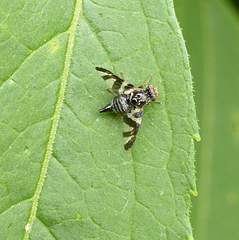 Goldenrod Brussels Sprout Gall FlyProcecidochares atra
 Mediterranean Fruit FlyCeratitis capitataDamages trees, gardens or crops
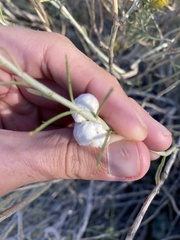 Cotton-gall TephritidAciurina bigeloviae
 Oriental Fruit FlyBactrocera dorsalisDamages trees, gardens or crops
Sources
- Wikipedia: https://en.wikipedia.org/wiki/Strauzia_longipennis
Look it up elsewhere: GBIF · iNaturalist · BugGuide · ITIS · Wikipedia
Text written 2026-10-26 from the sources above and checked sentence by sentence against them. Data fetched 2026-10-26.