 Bug FAQ
Sulphur Tubic
Esperia sulphurella · Order: Lepidoptera · Family: Oecophoridae
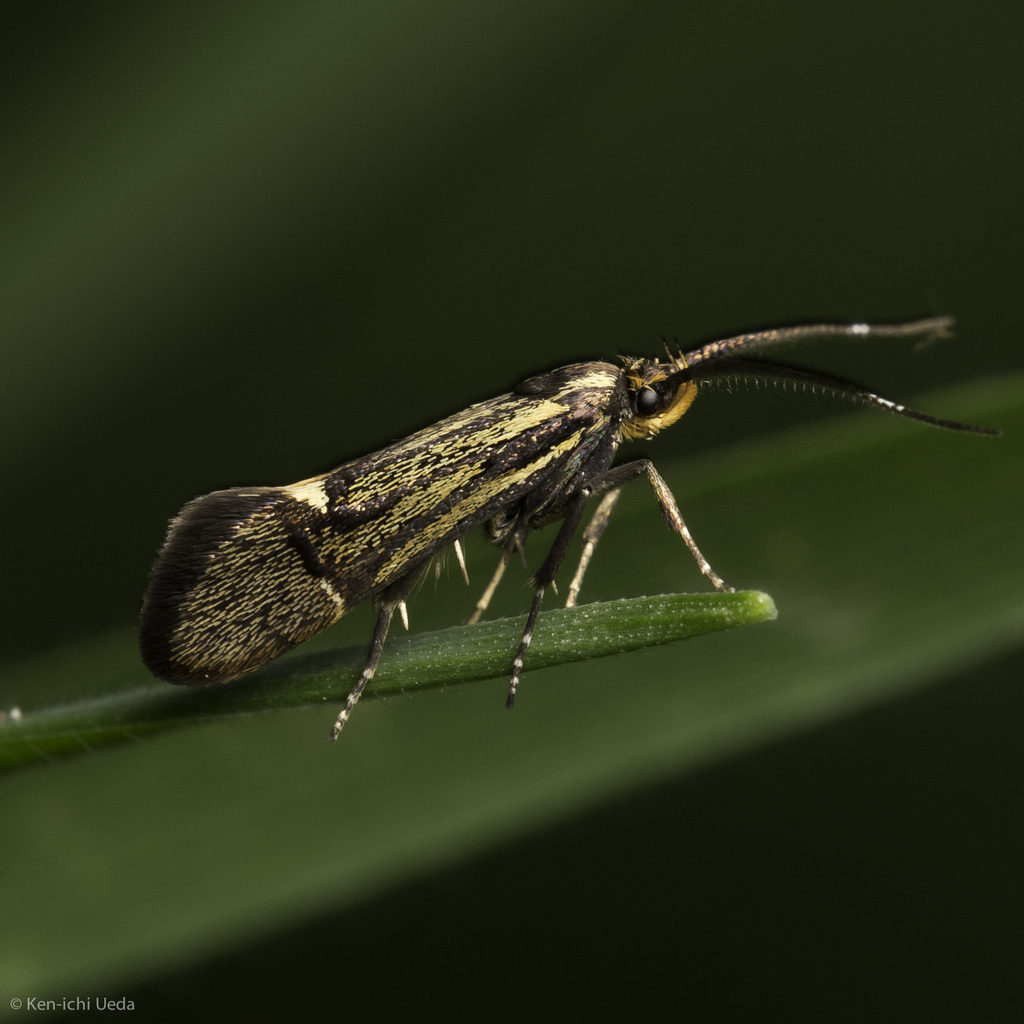
Adults are 6 to 8 mm long with a wingspan of 12 to 16 mm and have a dark brown body with pale yellow markings on the forewings. The species is native to Europe, has been introduced to California, and the larvae feed on dead wood. Adults are on the wing in spring.
Source: Wikipedia
How to recognize it
The insect’s basic colour is dark brown. Its forewings display a pale yellow marking.
Source: Wikipedia
Size
Adults measure about 6 to 8 mm in body length. The wingspan ranges from 12 to 16 mm.
Source: Wikipedia
Where it lives
It originates from Europe and has been introduced to California.
Source: Wikipedia
Life cycle
Adults are active and fly in the spring.
Source: Wikipedia
When you see it
They are on the wing during spring.
Source: Wikipedia
Where it comes from
Its native range is Europe.
Source: Wikipedia
Where it is found in the US
Recorded in 3 of 51 states and DC. Most records: California, Oregon, Washington.
Darker = more records. Counts are museum and citizen-science records, not population size.
Source: GBIF
Status: introduced in United States. Source: iNaturalist
Months it is reported in the US
Source: GBIF
More photos


Questions people ask
Where does this species come from?
It is native to Europe and has been introduced to California.
Source: Wikipedia
Same family (Oecophoridae)
 Brown House MothHofmannophila pseudospretellaCan damage your home
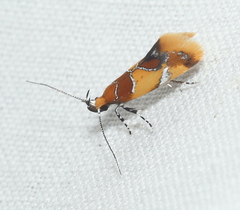 Orange-headed Callima MothCallima argenticinctella
 White-shouldered House MothEndrosis sarcitrellaCan damage your home
 Suzuki's Promalactis MothPromalactis suzukiella
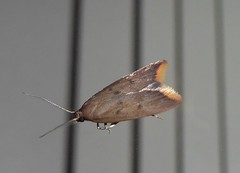 Ruddy StreakTachystola acroxantha
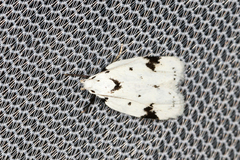 Black-marked Inga MothInga sparsiciliella
Sources
- Wikipedia: https://en.wikipedia.org/wiki/Esperia_sulphurella
Look it up elsewhere: GBIF · iNaturalist · BugGuide · Wikipedia
Text written 2026-10-26 from the sources above and checked sentence by sentence against them. Data fetched 2026-10-26.