 Bug FAQ
Subarctic Darner
Aeshna subarctica · Order: Odonata · Family: Aeshnidae
Also called: Bog Hawker, Subarctic Darner (usa)

The subarctic darner (Aeshna subarctica) is a dragonfly in the family Aeshnidae. It lives on acidic moors and Sphagnum peat bogs with natural water depressions, and in the south it is found only in mountains above about 700 m. Its range includes Europe, northern Asia (but not China), and North America.
Source: Wikipedia
How to recognize it
The subarctic darner belongs to the dragonfly family Aeshnidae.
Source: Wikipedia
Where it lives
In the southern part of its range it occurs only in mountainous areas, usually above 700 m (2,300 ft).
Source: Wikipedia
Where it comes from
It also occurs in North America.
Source: Wikipedia
Where it is found in the US
Recorded in 13 of 51 states and DC. Most records: Oregon, Washington, Wisconsin, Montana, Minnesota, New Hampshire, Maine, Alaska.
Darker = more records. Counts are museum and citizen-science records, not population size.
Source: GBIF
Status: native in North America; native in United States; native in Canada. Source: iNaturalist
Months it is reported in the US
Source: GBIF
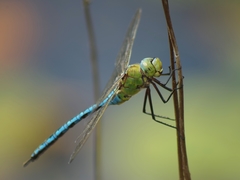
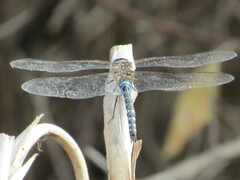
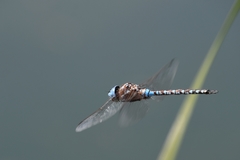
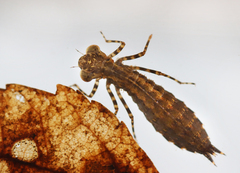
More photos
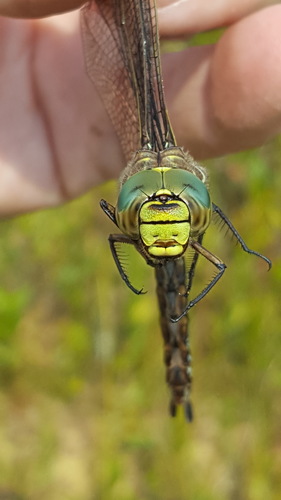
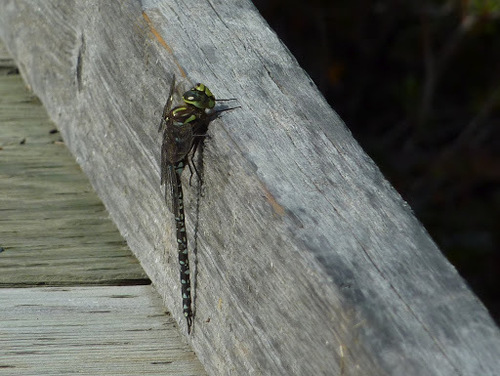
Questions people ask
Where does the subarctic darner live?
It lives on acidic moors and Sphagnum peat bogs with natural water depressions, and in the south it is found only in mountains above about 700 m.
Source: Wikipedia
What is the geographic range of the subarctic darner?
It occurs across Europe, northern Asia (but not China), and North America.
Source: Wikipedia
Same family (Aeshnidae)
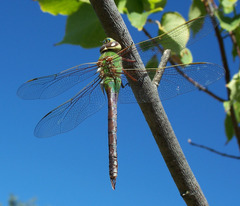
Sources
- Wikipedia: https://en.wikipedia.org/wiki/Aeshna_subarctica
Look it up elsewhere: GBIF · iNaturalist · BugGuide · ITIS · Wikipedia
Text written 2026-10-26 from the sources above and checked sentence by sentence against them. Data fetched 2026-10-26.