 Bug FAQ
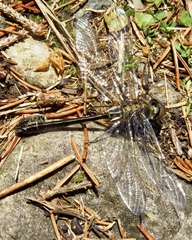
Stygian Shadowdragon
Neurocordulia yamaskanensis · Order: Odonata · Family: Corduliidae
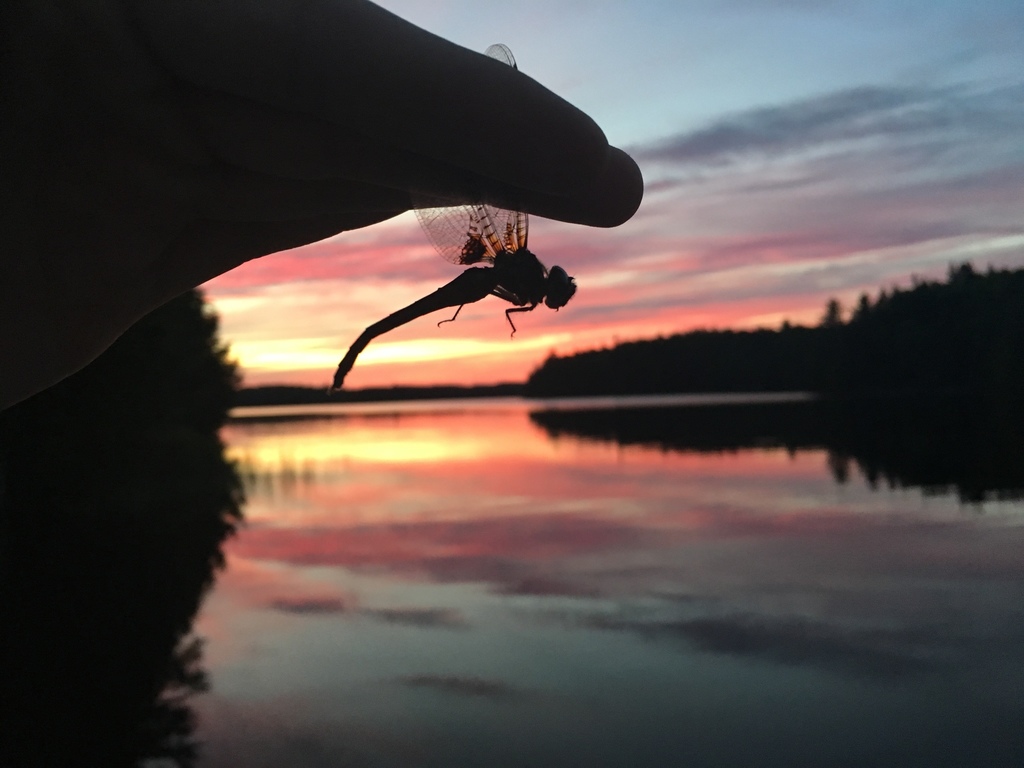
The Stygian shadowdragon is about 2 inches long. Adults are most often seen in June across their range.
Source: Wikipedia
Life cycle
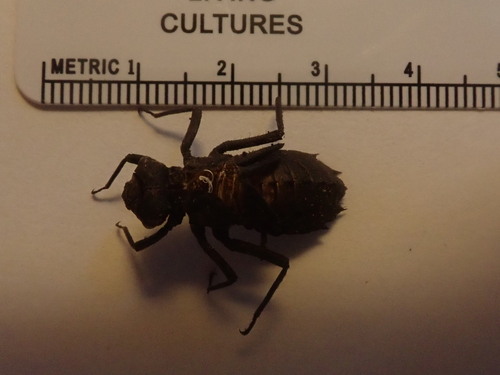
Because its adult activity period is short, details of its life cycle are less known than for many other dragonflies. Nymphs likely spend a year or more in stream beds before emerging onto rocks or trees to become adults.
Source: Wikipedia
When you see it
Adults are primarily observed during June throughout its range.
Source: Wikipedia
Where it comes from
It is native to the eastern United States and southern Canada. Its range includes much of the mid-Atlantic states, extends north into southern Canada, and reaches south to the Mason-Dixon line.
Source: Wikipedia
Lookalikes
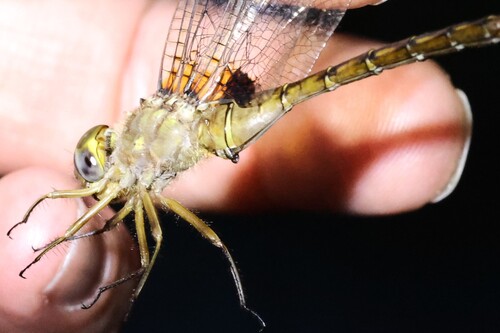
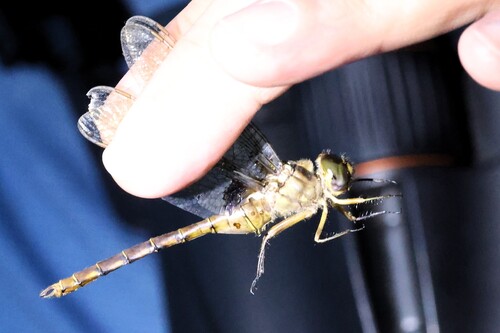
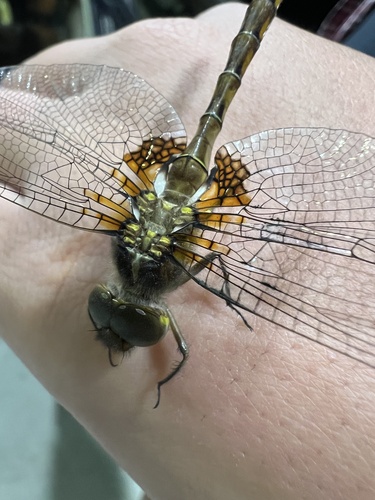
The large brown spot at the wing base distinguishes it from other shadowdragon species.
Source: Wikipedia
Where it is found in the US
Recorded in 20 of 51 states and DC. Most records: New York, Michigan, Ohio, Tennessee, North Carolina, Kentucky, Pennsylvania, Maryland.
Darker = more records. Counts are museum and citizen-science records, not population size.
Source: GBIF
Status: native in North America; native in United States; native in Canada. Source: iNaturalist
Months it is reported in the US
Source: GBIF
More photos
Questions people ask
How can I tell a Stygian shadowdragon apart from other shadowdragons?
Look for a large brown spot at the base of its clear wings.
Source: Wikipedia
Same family (Corduliidae)


Sources
- Wikipedia: https://en.wikipedia.org/wiki/Neurocordulia_yamaskanensis
Look it up elsewhere: GBIF · iNaturalist · BugGuide · ITIS · Wikipedia
Text written 2026-10-25 from the sources above and checked sentence by sentence against them. Data fetched 2026-10-25.