 Bug FAQ
Common Baskettail
Epitheca cynosura · Order: Odonata · Family: Corduliidae
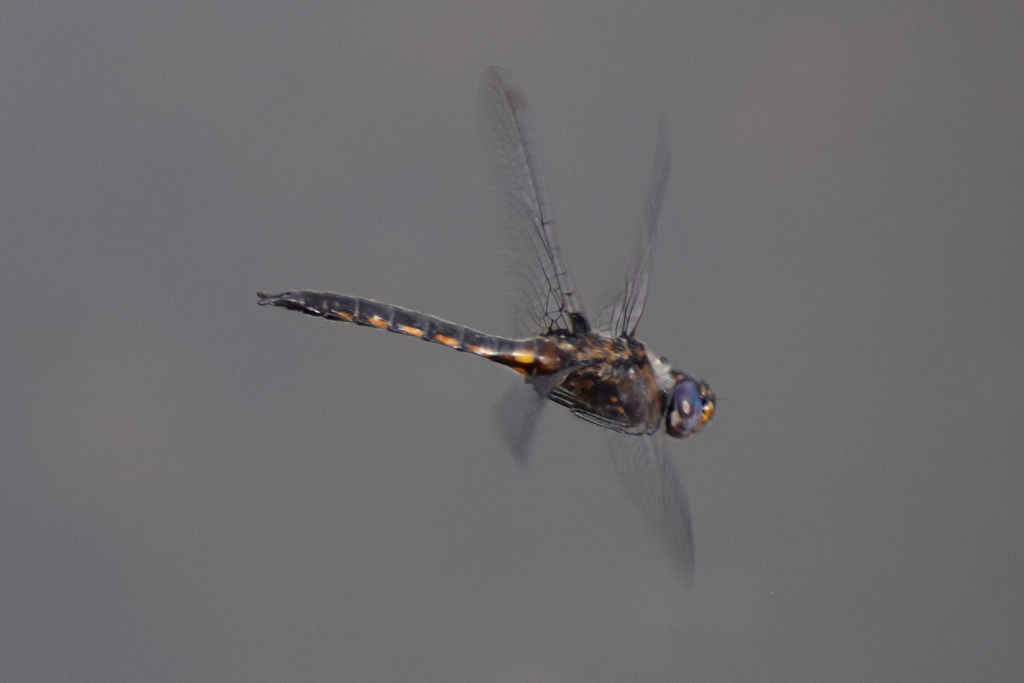
It is a dragonfly in the family Corduliidae; adults can be on the wing from January through August and are also seen from October to December in north Florida.
Source: Wikipedia
How to recognize it
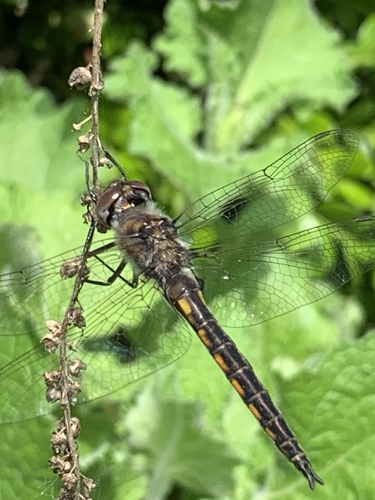
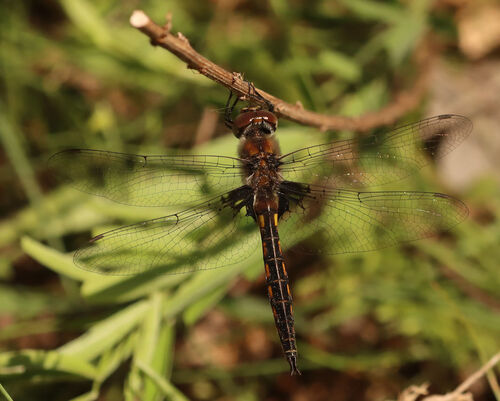
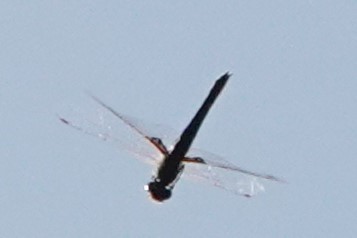
Look for a brown, hairy thorax and, on some bugs, a triangular spot at the hindwing base.
Source: Wikipedia
When you see it
Their flight season may start as early as January and run through August, and they can also be seen from October to December in north Florida.
Source: Wikipedia
Lookalikes
They are hard to tell apart from other species in the same genus.
Source: Wikipedia
Where it is found in the US
Recorded in 41 of 51 states and DC. Most records: Michigan, Ohio, Virginia, North Carolina, New York, Maryland, Minnesota, Wisconsin.
Darker = more records. Counts are museum and citizen-science records, not population size.
Source: GBIF
Status: native in North America; native in Canada; native in United States. Source: iNaturalist
Months it is reported in the US
Source: GBIF
More photos
Questions people ask
When are common baskettails active?
Adults may be on the wing from January through August, and they are also observed from October to December in north Florida.
Source: Wikipedia
Same family (Corduliidae)



Sources
- Wikipedia: https://en.wikipedia.org/wiki/Common_baskettail
Look it up elsewhere: GBIF · iNaturalist · BugGuide · ITIS · Wikipedia
Text written 2026-10-23 from the sources above and checked sentence by sentence against them. Data fetched 2026-10-22.