 Bug FAQ
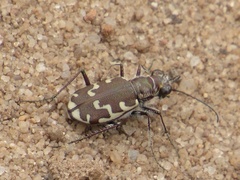
Stereocerus haematopus
Stereocerus haematopus · Order: Coleoptera · Family: Carabidae
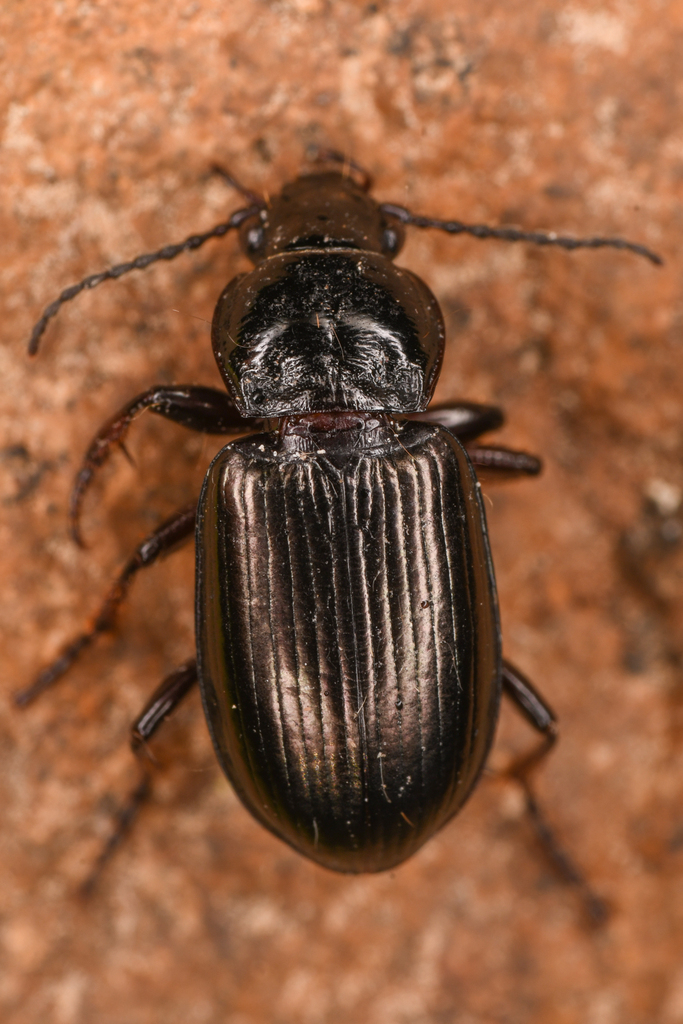
Stereocerus haematopus is a ground beetle in the family Carabidae. It lives mainly on dry sandy tundra soils where it is often seen with the plant Empetrum and the beetle Amara alpina. Its range includes Europe, northern Asia (but not China), and North America.
Source: Wikipedia
How to recognize it
Stereocerus haematopus belongs to the ground-beetle family Carabidae.
Source: Wikipedia
Where it lives
The species is most common in tundra areas on dry, sandy soils, often associated with the plant Empetrum. It is frequently found together with the beetle Amara alpina.
Source: Wikipedia
Where it comes from
It occurs in Europe and northern Asia, excluding China. It is also present in North America.
Source: Wikipedia
Where it is found in the US
Recorded in 4 of 51 states and DC. Most records: Alaska, New Hampshire, Pennsylvania, Michigan.
Darker = more records. Counts are museum and citizen-science records, not population size.
Source: GBIF
Status: native in North America; native in Canada. Source: iNaturalist
Months it is reported in the US
Source: GBIF
Questions people ask
Where is Stereocerus haematopus found?
It lives in Europe, northern Asia (but not China), and across North America.
Source: Wikipedia
What habitat does this beetle prefer?
It prefers dry, sandy soils in tundra regions and is often seen with Empetrum and Amara alpina.
Source: Wikipedia
Same family (Carabidae)


Sources
- Wikipedia: https://en.wikipedia.org/wiki/Stereocerus_haematopus
Look it up elsewhere: GBIF · iNaturalist · BugGuide · ITIS · Wikipedia
Text written 2026-10-27 from the sources above and checked sentence by sentence against them. Data fetched 2026-10-27.