 Bug FAQ
Speckled Gall Wasp
Besbicus mirabilis · Order: Hymenoptera · Family: Cynipidae
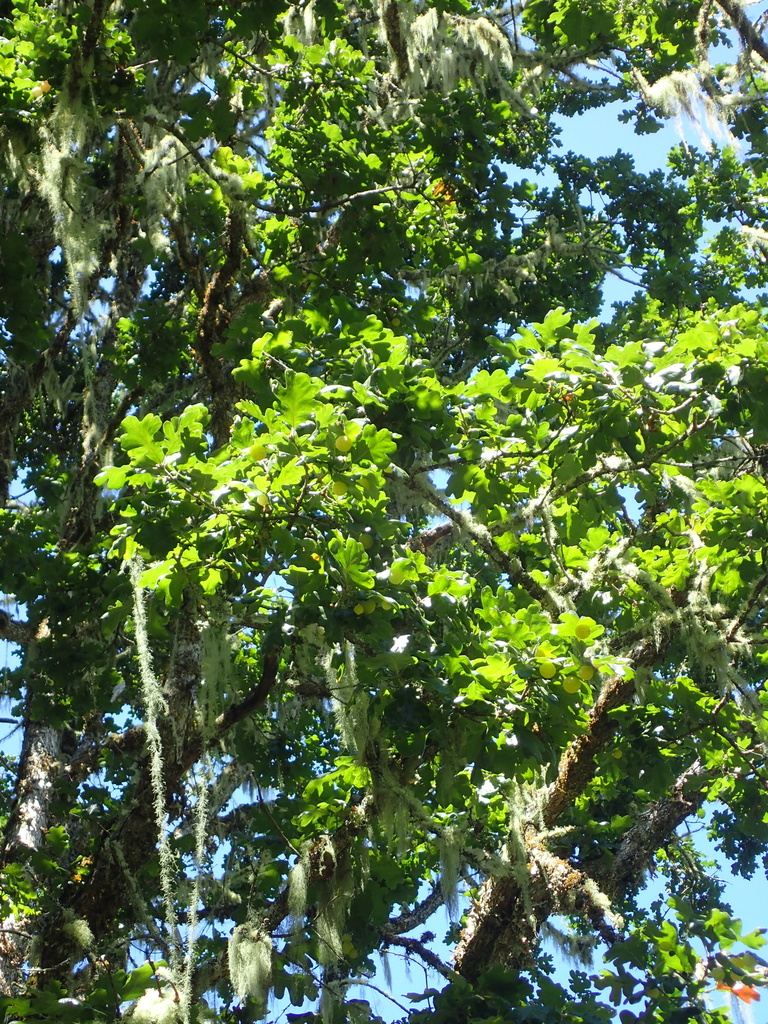
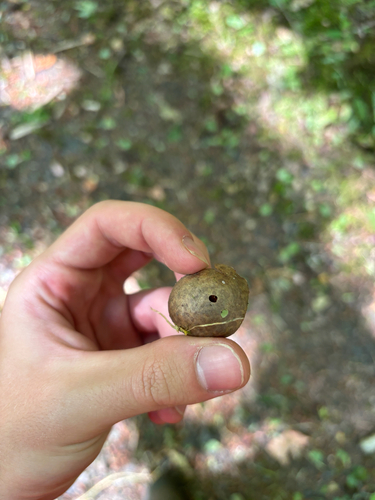
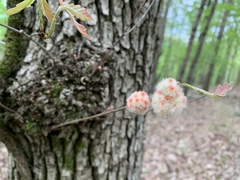
It lays eggs on the underside midrib of Oregon oak leaves and its second generation creates bud galls.
Source: Wikipedia
How to recognize it
This insect is also called the speckled gall wasp.
Source: Wikipedia
Where it lives
It is found on the Pacific coast from British Columbia to northern California.
Source: Wikipedia
What it eats
The female wasp inserts eggs into the midrib of the underside of Oregon oak leaves, occasionally on the dorsal side.
Source: Wikipedia
Life cycle
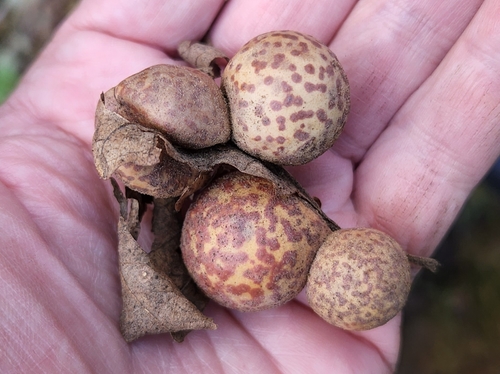
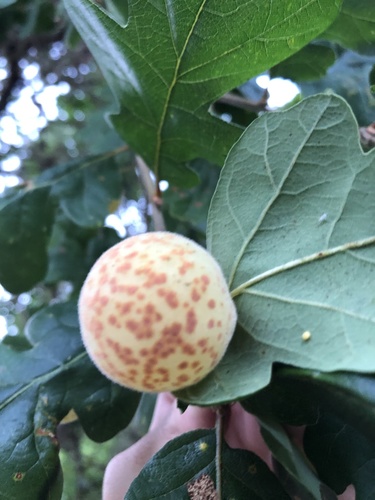
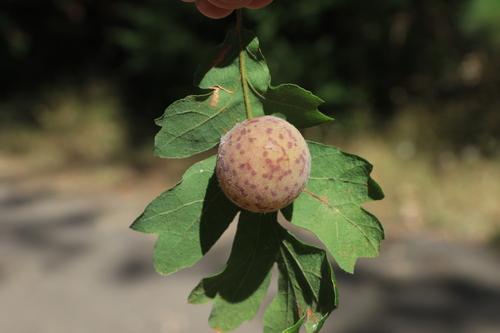
The second generation of the wasp induces galls on oak buds.
Source: Wikipedia
Lookalikes
It was formerly known as Cynips mirabilis.
Source: Wikipedia
Where it is found in the US
Recorded in 25 of 51 states and DC. Most records: California, Oregon, Washington, Arizona, Florida, Colorado, Illinois, Tennessee.
Darker = more records. Counts are museum and citizen-science records, not population size.
Source: GBIF
Status: native in North America; native in United States. Source: iNaturalist
Months it is reported in the US
Source: GBIF
More photos
Questions people ask
Which oak species does the speckled gall wasp use?
It oviposits on Oregon oak leaves, inserting eggs into the underside midrib of the leaf.
Source: Wikipedia
Same family (Cynipidae)


Sources
- Wikipedia: https://en.wikipedia.org/wiki/Besbicus_mirabilis
Look it up elsewhere: GBIF · iNaturalist · BugGuide · Wikipedia
Text written 2026-10-23 from the sources above and checked sentence by sentence against them. Data fetched 2026-10-22.