 Bug FAQ
Southern Pygmy Clubtail
Lanthus vernalis · Order: Odonata · Family: Gomphidae
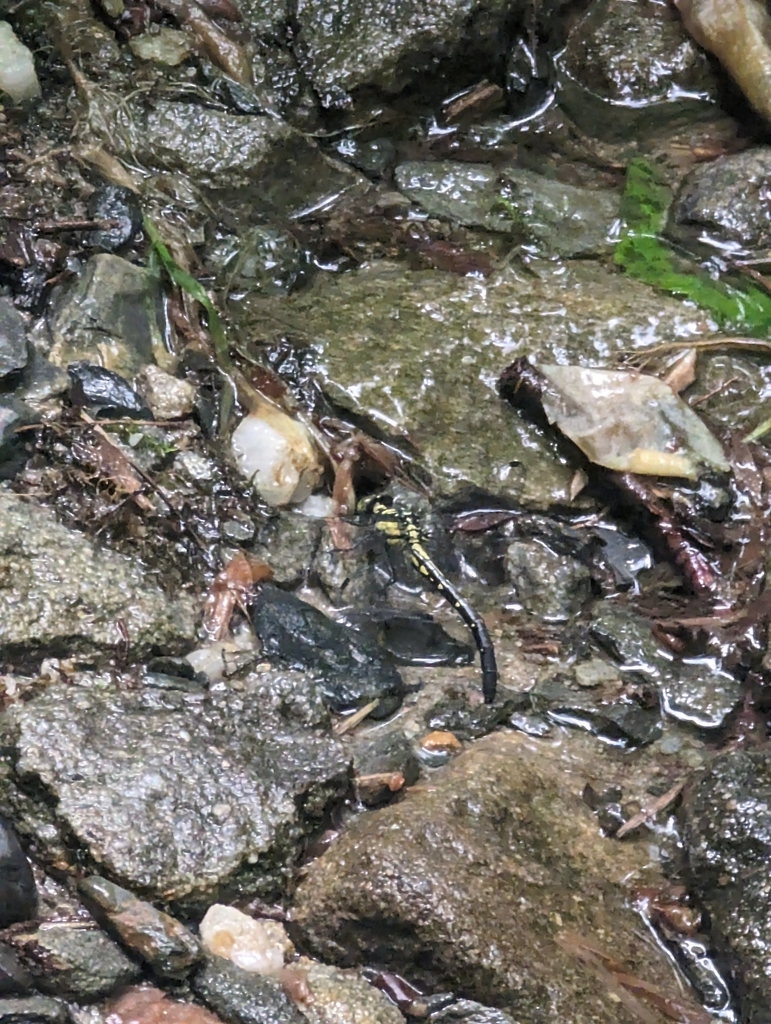
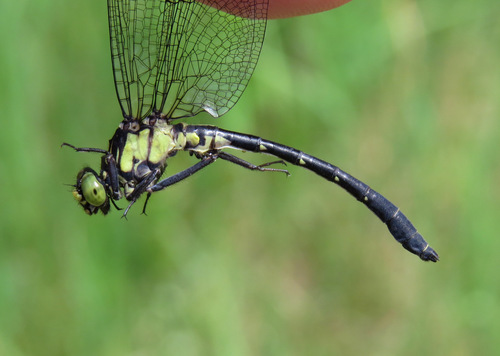
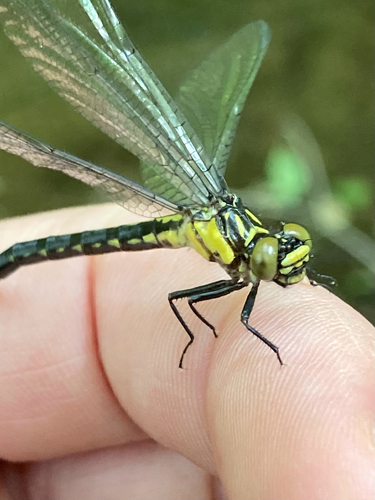
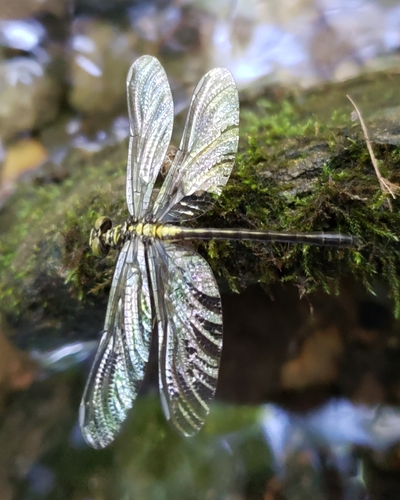
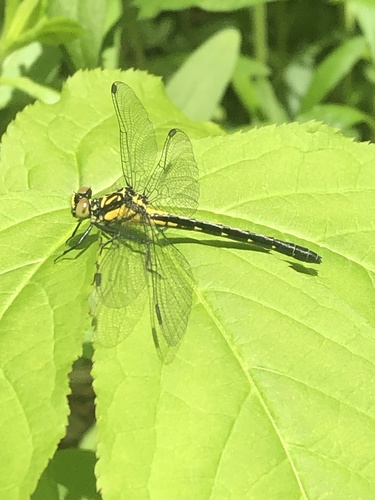
The southern pygmy clubtail (Lanthus vernalis) is a very small dragonfly in the Gomphidae family that lives in eastern North America. It favors small, clear trout streams, and its larvae can stay underwater for as many as five years before emerging as adults.
Source: Wikipedia
How to recognize it
The southern pygmy clubtail, scientific name Lanthus vernalis, belongs to the Gomphidae family of dragonflies.
Source: Wikipedia
Size
It is among the tiniest members of the clubtail group.
Source: Wikipedia
Where it lives
You’ll usually find it near small, clear streams that support trout.
Source: Wikipedia
Life cycle
The immature stage can remain underwater for up to five years before the adult emerges.
Source: Wikipedia
Where it comes from
Its range covers the eastern part of North America.
Source: Wikipedia
Where it is found in the US
Recorded in 18 of 51 states and DC. Most records: Ohio, North Carolina, Vermont, Pennsylvania, Virginia, Tennessee, Massachusetts, New York.
Darker = more records. Counts are museum and citizen-science records, not population size.
Source: GBIF
Status: native in North America; native in United States; native in Canada. Source: iNaturalist
Months it is reported in the US
Source: GBIF
More photos
Questions people ask
Same family (Gomphidae)


Sources
- Wikipedia: https://en.wikipedia.org/wiki/Lanthus_vernalis
Look it up elsewhere: GBIF · iNaturalist · BugGuide · ITIS · Wikipedia
Text written 2026-10-24 from the sources above and checked sentence by sentence against them. Data fetched 2026-10-24.