 Bug FAQ
Common Clubtail
Gomphus vulgatissimus · Order: Odonata · Family: Gomphidae
Also called: Club-Tailed Dragonfly, Common Club-tail
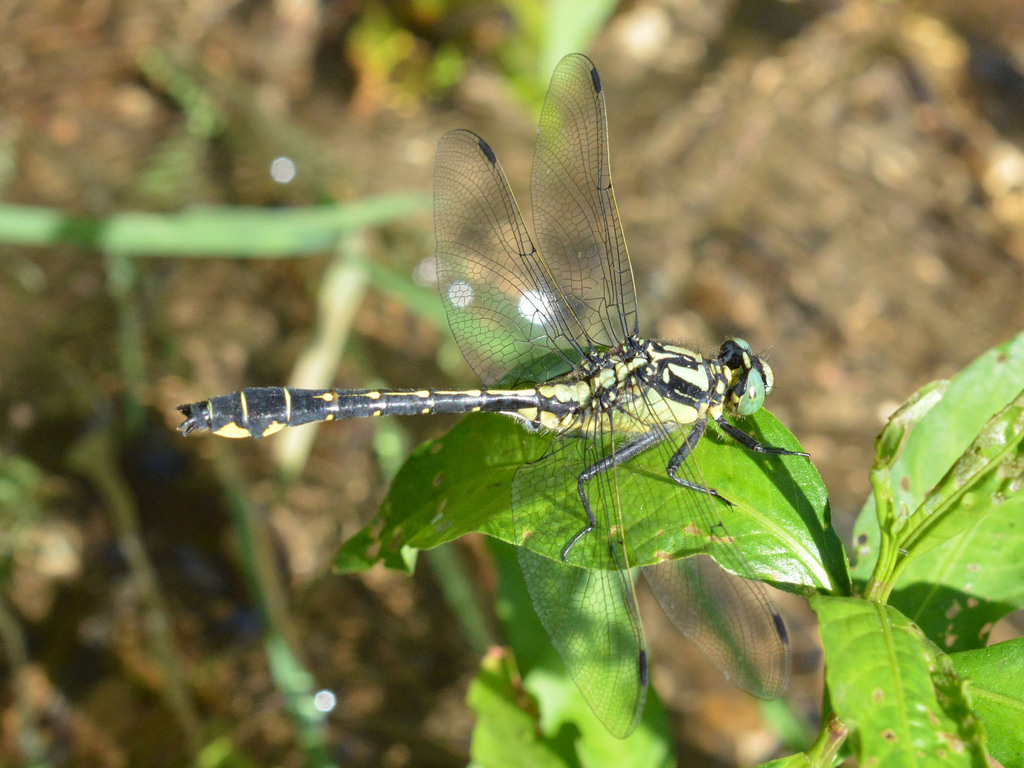
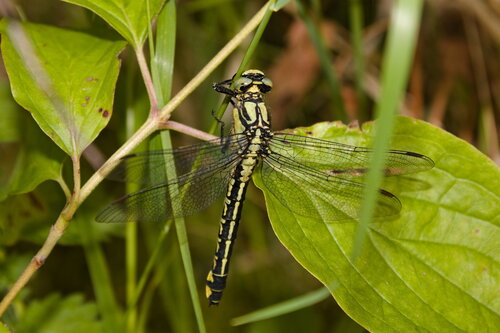
The common clubtail is a medium-sized dragonfly with a wingspan of about 6 to 7 cm. Males are black with yellow markings that turn green with age; females are black with yellow markings. It lives near clean, slow-moving rivers and creeks with sandy bottoms and is found across most of Europe, including southern France.
Source: Wikipedia
How to recognize it
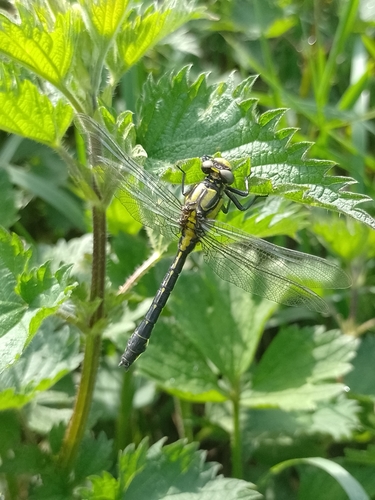
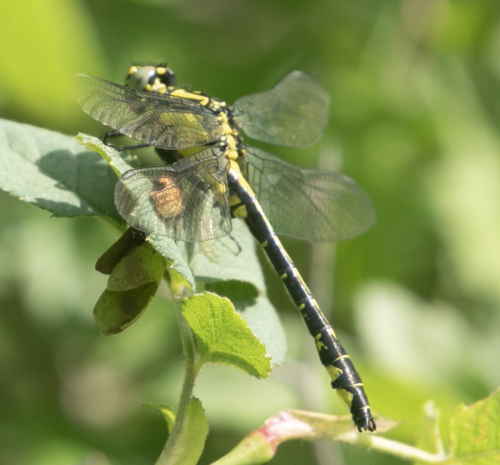
The abdomen is club-shaped, giving the species its common name. Males are black with extensive yellow markings that become green as they age; females are black with extensive yellow markings.
Source: Wikipedia
Size
Wingspan ranges from 6 to 7 cm, making it a medium-sized species.
Source: Wikipedia
Where it lives
Prefers clean, slow-moving streams, rivers and creeks with sandy soil.
Source: Wikipedia
When you see it
Adults can be seen from mid-April in southern areas up to August. In the British Isles, they fly from mid-May to early July.
Source: Wikipedia
Where it comes from
Occurs throughout most of Europe and is present in the south of France.
Source: Wikipedia
Lookalikes
It is a medium-sized dragonfly in the family Gomphidae.
Source: Wikipedia
More photos
Questions people ask
When are common clubtails active?
They are on the wing from mid-April in the south of Europe through August, and in the British Isles from mid-May to early July.
Source: Wikipedia
Where can I find common clubtails?
Look for them near clean, slow-moving rivers or creeks with sandy bottoms across most of Europe, including southern France.
Source: Wikipedia
Same family (Gomphidae)

Sources
- Wikipedia: https://en.wikipedia.org/wiki/Gomphus_vulgatissimus
Look it up elsewhere: GBIF · iNaturalist · BugGuide · Wikipedia
Text written 2026-10-22 from the sources above and checked sentence by sentence against them. Data fetched 2026-10-22.