 Bug FAQ
Black-shouldered Spinyleg
Dromogomphus spinosus · Order: Odonata · Family: Gomphidae
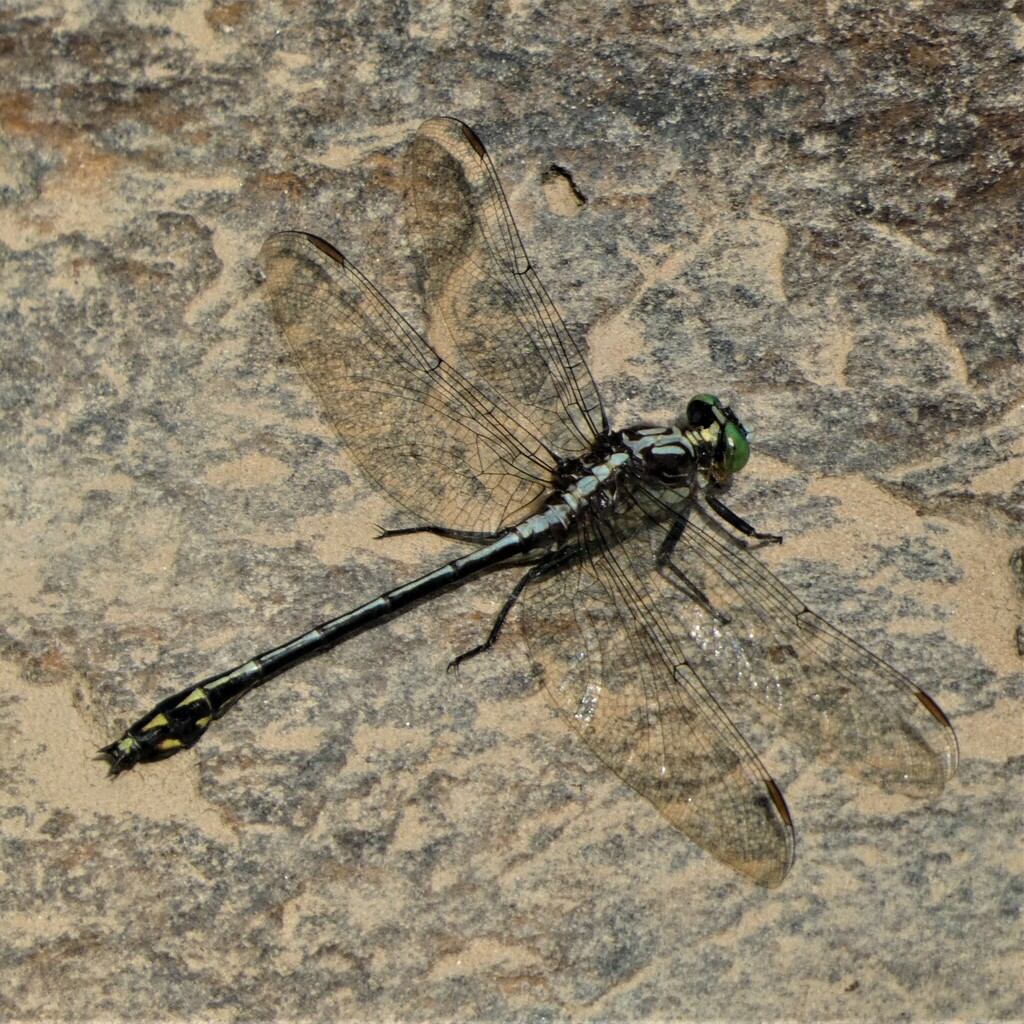
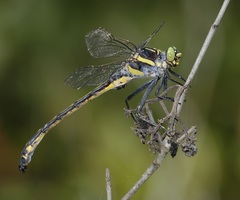
Adult black-shouldered spinylegs are about 2.5 in (64 mm) long and have black shoulders with a light-green I-shaped mark on the thorax flanked by pale ovals. They fly from late May to early September across a range from southern Manitoba to the U.S. east coast down to Florida. Like other spinylegs, they catch prey with long spines on their legs.
Source: Wikipedia
Size
Adults average about 2.5 in (64 mm) in length.
Source: Wikipedia
Where it lives
They are on the wing from late May through early September.
Source: Wikipedia
What it eats
Long spines on their legs help them capture prey.
Source: Wikipedia
Life cycle
Adults are present from late May to early September.
Source: Wikipedia
When you see it
Their flight season runs from late May to early September.
Source: Wikipedia
Where it comes from
Their range extends from southern Manitoba across the U.S. east coast to Florida.
Source: Wikipedia
Lookalikes
Dromogomphus spinosus belongs to the dragonfly family Gomphidae.
Source: Wikipedia
Where it is found in the US
Recorded in 34 of 51 states and DC. Most records: Michigan, Virginia, Texas, Ohio, Massachusetts, Tennessee, New York, Maine.
Darker = more records. Counts are museum and citizen-science records, not population size.
Source: GBIF
Status: native in North America; native in Canada; native in United States. Source: iNaturalist
Months it is reported in the US
Source: GBIF
More photos
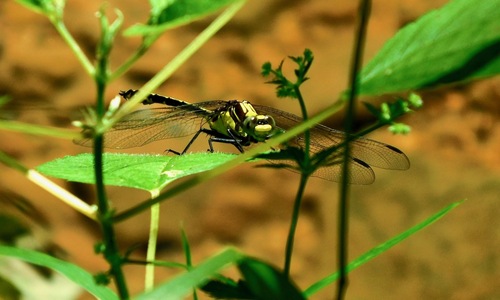
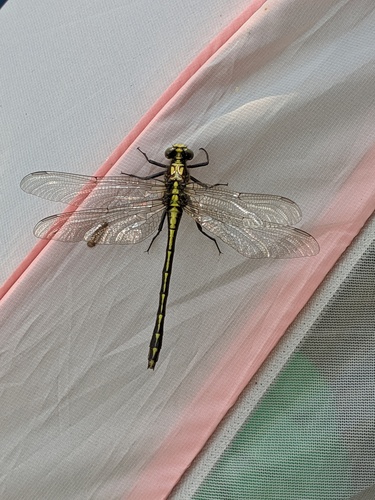
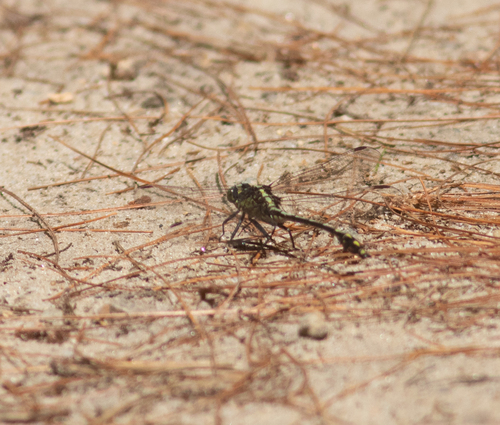
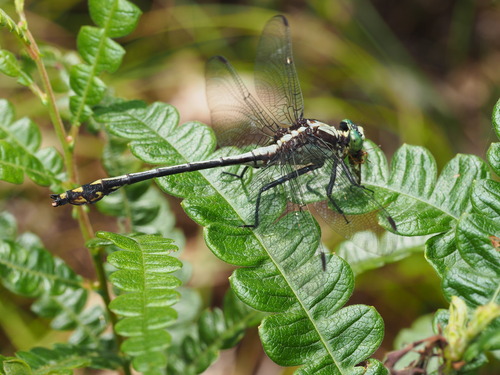
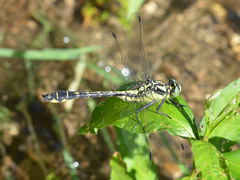
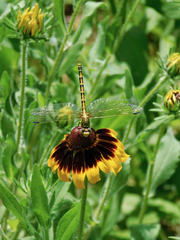
Same family (Gomphidae)

Sources
- Wikipedia: https://en.wikipedia.org/wiki/Dromogomphus_spinosus
Look it up elsewhere: GBIF · iNaturalist · BugGuide · ITIS · Wikipedia
Text written 2026-10-22 from the sources above and checked sentence by sentence against them. Data fetched 2026-10-22.