 Bug FAQ
Soapberry Hairstreak
Satyrium alcestis · Order: Lepidoptera · Family: Lycaenidae
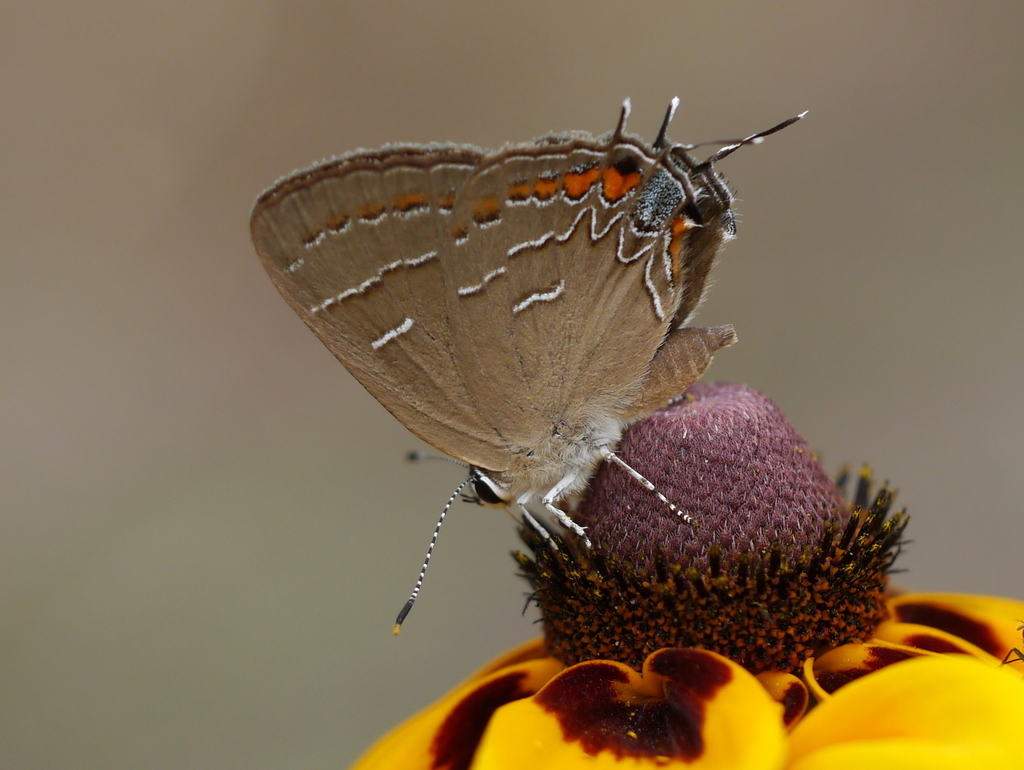
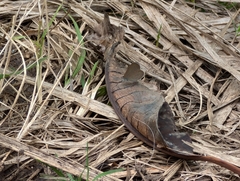
The Soapberry Hairstreak was first described as Thecla alcestis by Edwards in 1871 and was once placed alone in the former genus Phaeostrymon. It lives in the southwestern United States and Mexico, where its caterpillars commonly feed on soapberry plants. Because it was the only species in its former genus, it is sometimes confused with other hairstreaks, but no other species share that taxonomic history.
Source: Wikipedia
How to recognize it
Originally described as Thecla alcestis by Edwards in 1871, it was later the sole member of the former genus Phaeostrymon.
Source: Wikipedia
Where it lives
The butterfly is found in the southwestern United States and Mexico.
Source: Wikipedia
What it eats
The larvae feed on soapberry plants.
Source: Wikipedia
Where it comes from
Its range includes the southwestern United States and Mexico.
Source: Wikipedia
Where it is found in the US
Recorded in 7 of 51 states and DC. Most records: Texas, Arizona, Oklahoma, Kansas, Colorado, Ohio, Michigan.
Darker = more records. Counts are museum and citizen-science records, not population size.
Source: GBIF
Months it is reported in the US
Source: GBIF
More photos
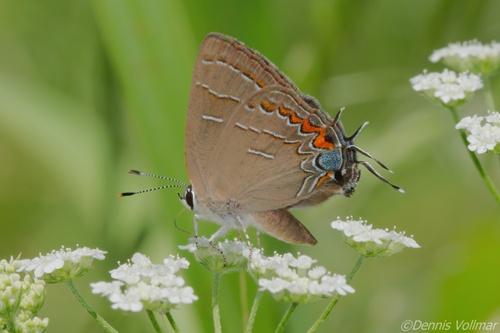
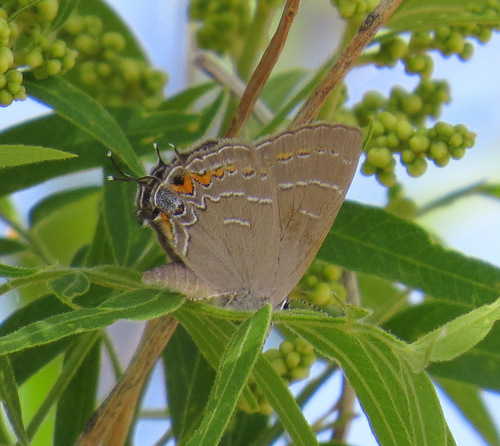
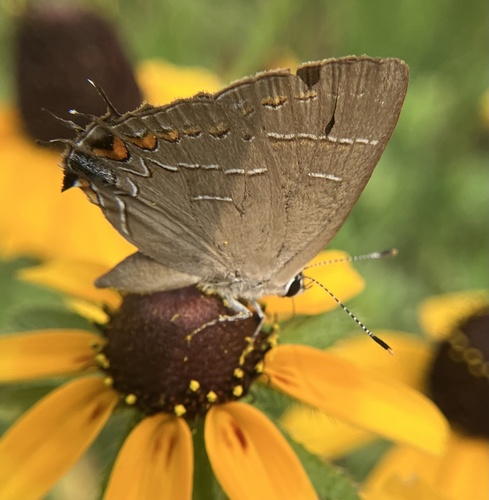
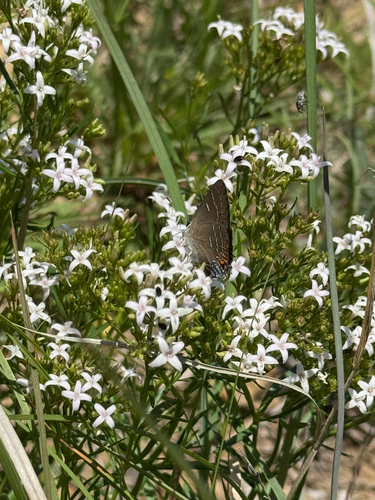
Same family (Lycaenidae)
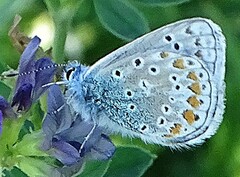
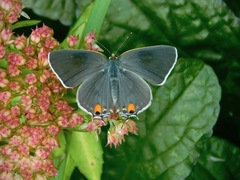


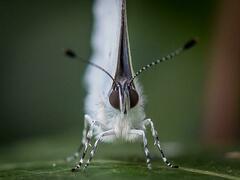
Sources
- Wikipedia: https://en.wikipedia.org/wiki/Satyrium_alcestis
Look it up elsewhere: GBIF · iNaturalist · BugGuide · Wikipedia
Text written 2026-10-24 from the sources above and checked sentence by sentence against them. Data fetched 2026-10-24.