 Bug FAQ
Small Copper
Lycaena phlaeas · Order: Lepidoptera · Family: Lycaenidae
Also called: American Copper, common copper
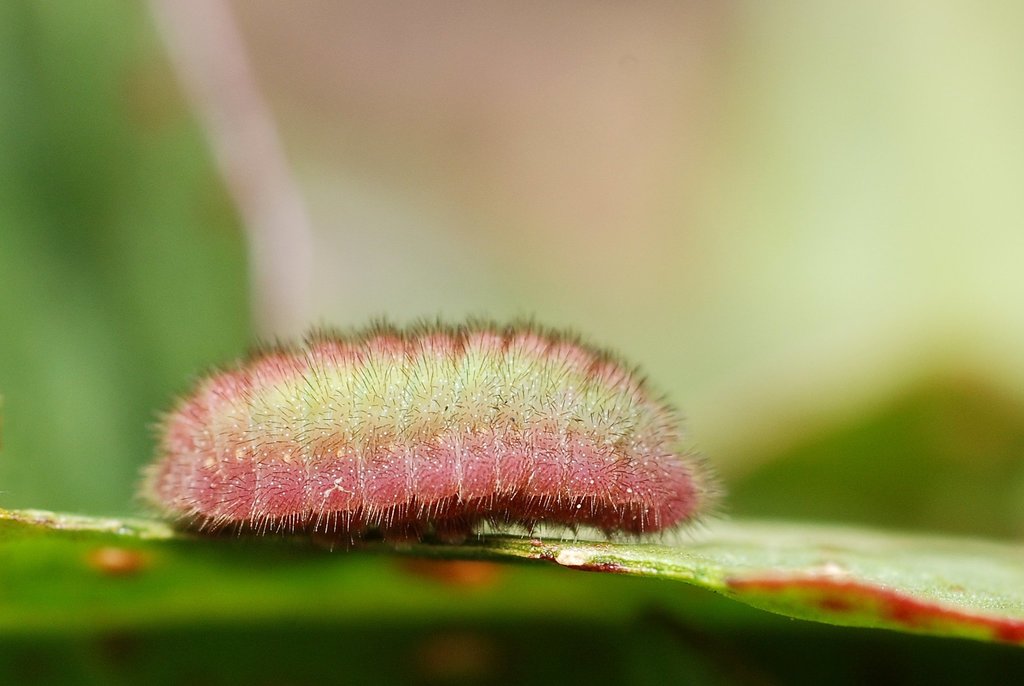
It lives in many habitats such as chalk downlands, heathland, woodland clearings, churchyards and urban waste ground, and is widespread across Europe, Asia, North America and parts of Africa. Caterpillars feed mainly on common sorrel and sheep's sorrel, the species can have two to three broods a year (four in very good years in the south), overwinters as a caterpillar, and adults may be seen flying into November.
Source: Wikipedia
How to recognize it
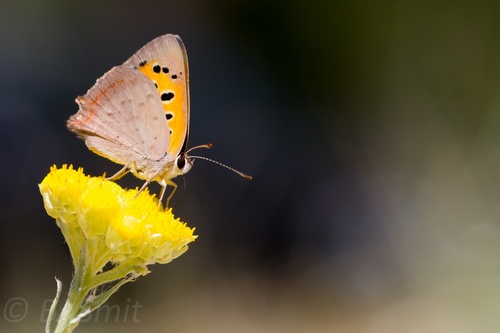
Forewings are bright orange with a dark outer edge and eight or nine black spots. Hindwings are dark with an orange border.
Source: Wikipedia
Where it lives
Found in chalk downlands, heathland, woodland clearings, churchyards and urban waste ground.
Source: Wikipedia
Life cycle
There are two to three generations per year, fewer in northern areas. Overwinters in the caterpillar stage.
Source: Wikipedia
When you see it
In very good years a fourth generation may appear in the south, and adults can be seen flying into November.
Source: Wikipedia
Where it comes from
A holarctic species common across Europe, Asia, North America and extending into North Africa down to Ethiopia.
Source: Wikipedia
Where it is found in the US
Recorded in 38 of 51 states and DC. Most records: Michigan, Vermont, Connecticut, Massachusetts, Ohio, Illinois, New York, New Jersey.
Darker = more records. Counts are museum and citizen-science records, not population size.
Source: GBIF
Months it is reported in the US
Source: GBIF
More photos

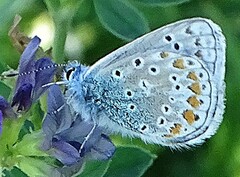
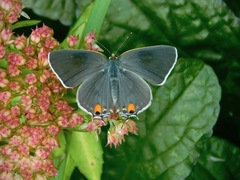
Same family (Lycaenidae)


Sources
- Wikipedia: https://en.wikipedia.org/wiki/Lycaena_phlaeas
Look it up elsewhere: GBIF · iNaturalist · BugGuide · ITIS · Wikipedia
Text written 2026-10-22 from the sources above and checked sentence by sentence against them. Data fetched 2026-10-22.