 Bug FAQ
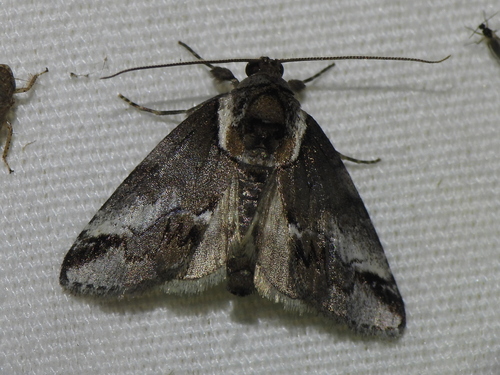
Small Baileya Moth
Baileya australis · Order: Lepidoptera · Family: Nolidae
Also called: Small Baileya
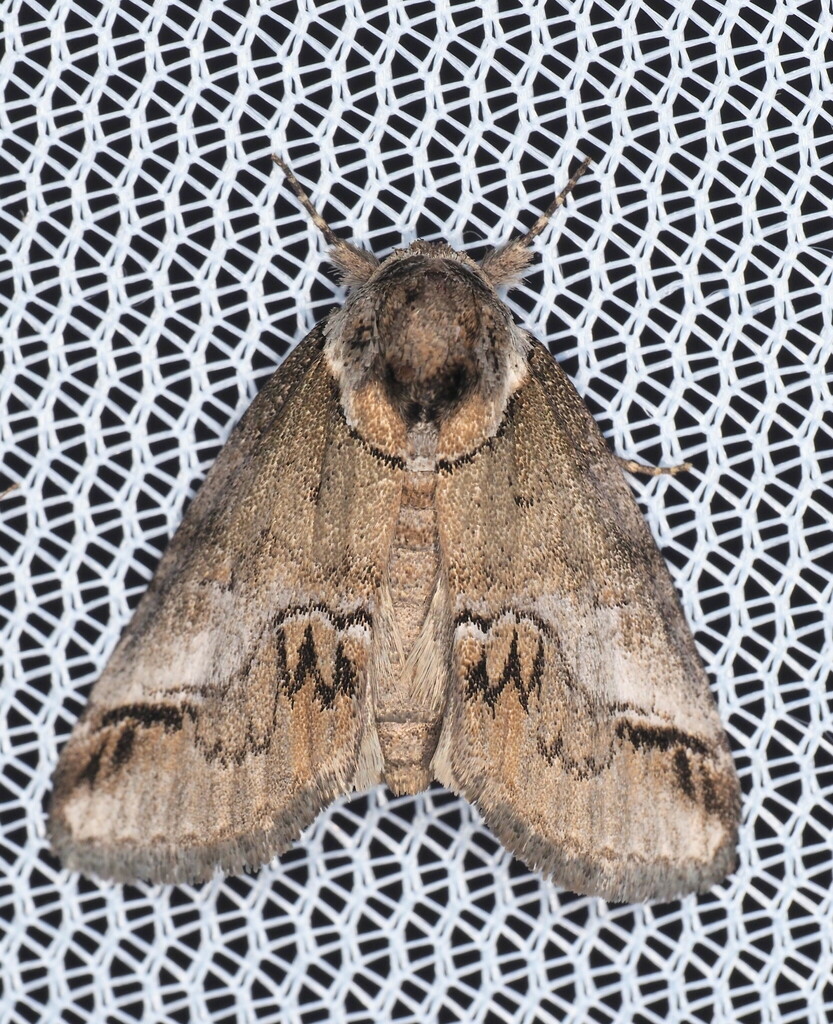
The Small Baileya Moth has a wingspan of about 21 to 28 mm. It lives in North America, from Quebec and New York down to Florida, west to Texas and north to North Dakota and Ontario.
Source: Wikipedia
Size
The wingspan measures between 21 and 28 mm.
Source: Wikipedia
Life cycle
Adults are on the wing from April to September, with up to three generations each year in the southern part of the range.
Source: Wikipedia
When you see it
The flight period extends from April through September, and in the south there may be three generations per year.
Source: Wikipedia
Where it comes from
It is found across North America, from eastern Canada and the northeastern United States down to the Gulf Coast, and west to the central plains.
Source: Wikipedia
Where it is found in the US
Recorded in 31 of 51 states and DC. Most records: Texas, Oklahoma, Michigan, Kansas, Ohio, Pennsylvania, Illinois, Virginia.
Darker = more records. Counts are museum and citizen-science records, not population size.
Source: GBIF
Status: native in North America; native in Canada; native in United States. Source: iNaturalist
Months it is reported in the US
Source: GBIF
More photos
Questions people ask
When are adult Small Baileya Moths active?
Adults are active from April to September, and in southern areas they may have up to three generations each year.
Source: Wikipedia
Same family (Nolidae)
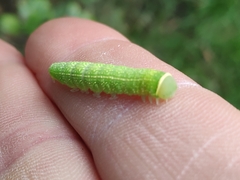 Green Silver-linesPseudoips prasinanaDamages trees, gardens or crops
 Confused Meganola MothMeganola minuscula
 Gum Leaf SkeletoniserUraba lugensDamages trees, gardens or crops
 Eyed Baileya MothBaileya ophthalmica
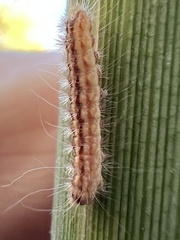 Sorghum Webworm MothNola cereellaDamages trees, gardens or crops
 Spiny BollwormEarias biplagaDamages trees, gardens or crops
Sources
- Wikipedia: https://en.wikipedia.org/wiki/Baileya_australis
Look it up elsewhere: GBIF · iNaturalist · BugGuide · ITIS · Wikipedia
Text written 2026-10-23 from the sources above and checked sentence by sentence against them. Data fetched 2026-10-23.