 Bug FAQ
Rayed Blue
Actizera lucida · Order: Lepidoptera · Family: Lycaenidae
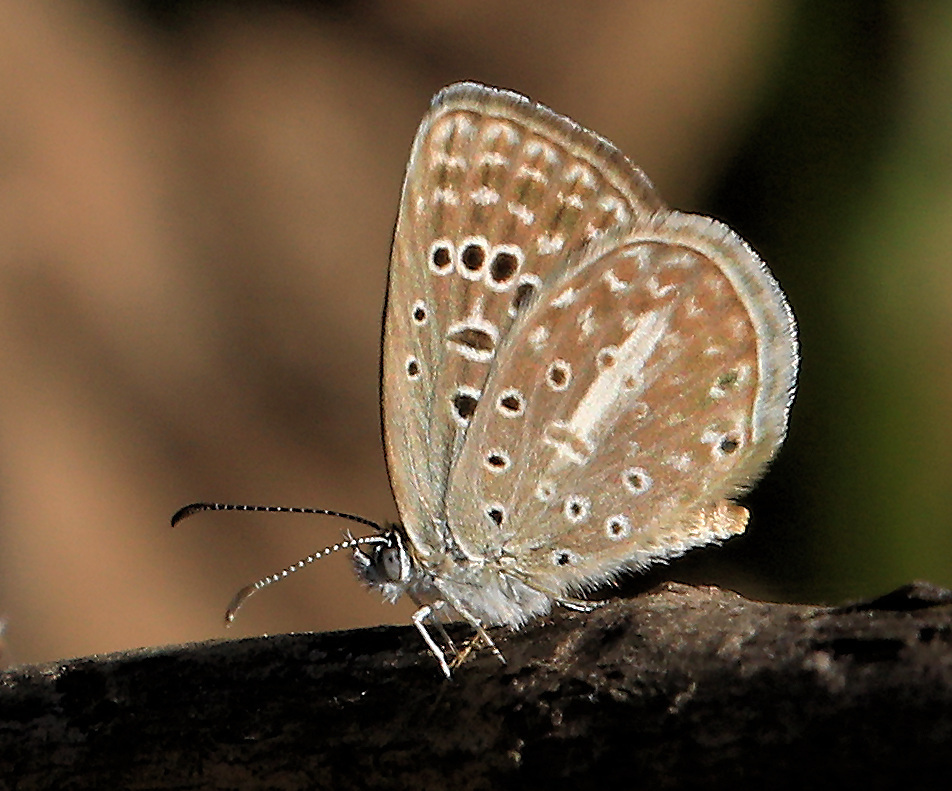
It lives across eastern and southern Africa, including Kenya, Madagascar and many provinces of South Africa. Adults can be seen flying throughout the year, with higher numbers in summer.
Source: Wikipedia
How to recognize it
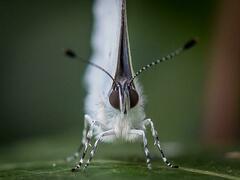
Actizera lucida, called the rayed blue, belongs to the Lycaenidae family of butterflies.
Source: Wikipedia
Size
Males have a wingspan of 15 to 23 mm, while females are slightly larger at 17 to 25 mm.
Source: Wikipedia
What it eats
Caterpillars feed on plants such as Oxalis, Argyrolobium, Rhynchosia and Crotolaria lanceolata.
Source: Wikipedia
Life cycle
Adults are on the wing all year, but are most common during the summer months.
Source: Wikipedia
When you see it
The butterfly can be seen throughout the year, with a peak in summer.
Source: Wikipedia
Where it comes from
Its native range includes eastern and southern Africa, Kenya, and Madagascar. Within South Africa it is widespread across many provinces.
Source: Wikipedia
More photos

Questions people ask
When are adult rayed blues most active?
Adults are present all year but are most common in the summer.
Source: Wikipedia
Same family (Lycaenidae)

Sources
- Wikipedia: https://en.wikipedia.org/wiki/Actizera_lucida
Look it up elsewhere: GBIF · iNaturalist · BugGuide · Wikipedia
Text written 2026-10-23 from the sources above and checked sentence by sentence against them. Data fetched 2026-10-23.