 Bug FAQ
Purple Fairy Moth
Adela purpurea · Order: Lepidoptera · Family: Adelidae
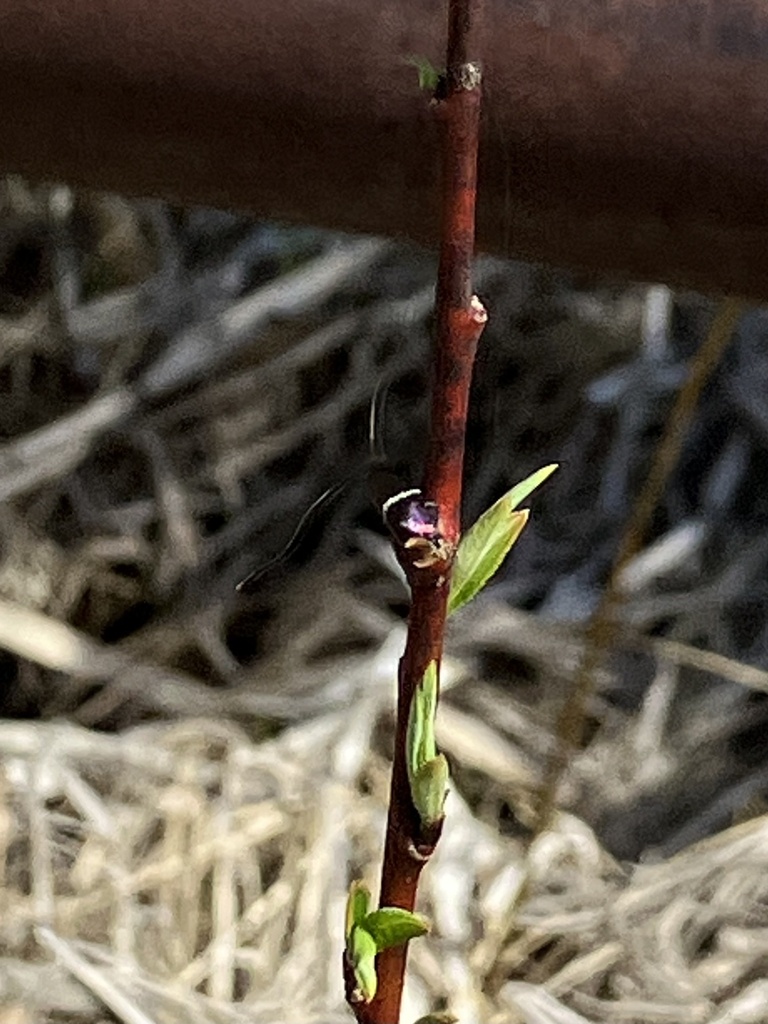
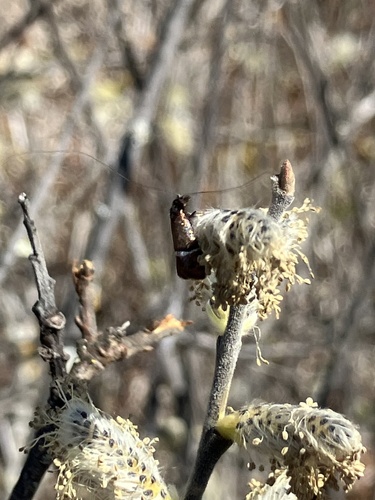
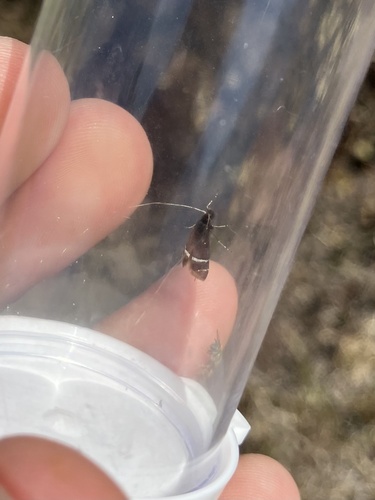
Adults are on the wing in April in New England and from May to June in northern Canada. They have been seen visiting willow (Salix) blossoms.
Source: Wikipedia
How to recognize it
This species is widespread in boreal North America, ranging from the Yukon to Quebec and as far south as northern New Jersey.
Source: Wikipedia
Where it lives
It inhabits the boreal regions of North America across the same range as its identification marks.
Source: Wikipedia
What it eats
Adults visit and feed on the blossoms of willow (Salix) trees.
Source: Wikipedia
When you see it
In northern Canada adults fly from May to June, while in New England they appear as early as April.
Source: Wikipedia
Where it is found in the US
Recorded in 11 of 51 states and DC. Most records: Michigan, Minnesota, New Hampshire, Vermont, Alaska, Maine, Massachusetts, Wisconsin.
Darker = more records. Counts are museum and citizen-science records, not population size.
Source: GBIF
Status: native in North America; native in Canada. Source: iNaturalist
Months it is reported in the US
Source: GBIF
More photos
Questions people ask
When are adult Purple Fairy Moths active?
In northern Canada they are on the wing from May to June, and in New England they can be seen in April.
Source: Wikipedia
What flowers do Purple Fairy Moths visit?
Adults have been observed visiting willow (Salix) blossoms.
Source: Wikipedia
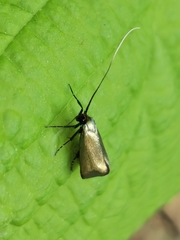
Same family (Adelidae)

Sources
- Wikipedia: https://en.wikipedia.org/wiki/Adela_purpurea
Look it up elsewhere: GBIF · iNaturalist · BugGuide · Wikipedia
Text written 2026-10-29 from the sources above and checked sentence by sentence against them. Data fetched 2026-10-29.