 Bug FAQ
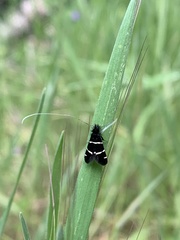
Ridings' Fairy Moth
Adela ridingsella · Order: Lepidoptera · Family: Adelidae
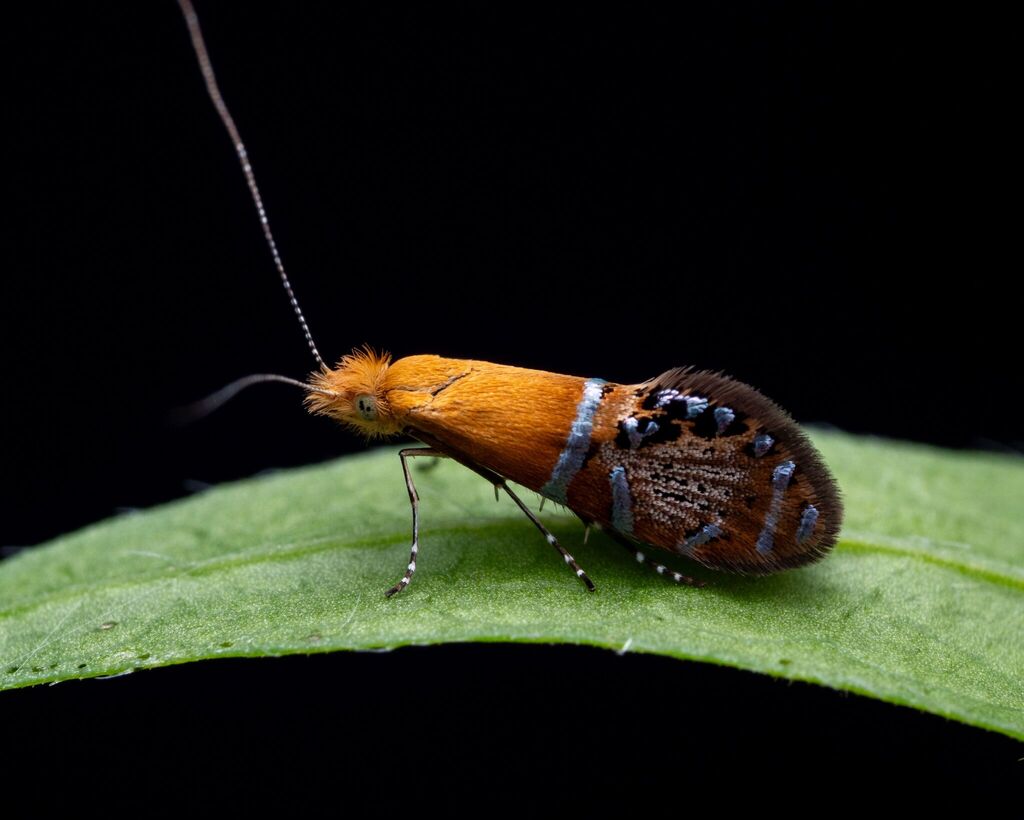
Ridings' Fairy Moth lives across eastern North America, from eastern Canada down to the mountains of North Carolina. Adults fly in early summer, typically from June through July. The larvae are found in petiole galls on Virginia creeper and later build external cases.
Source: Wikipedia
Where it lives
It inhabits the same eastern North American region, covering both Canada and the United States.
Source: Wikipedia
What it eats
Larvae have been found inside petiole galls on Virginia creeper (Parthenocissus quinquefolia).
Source: Wikipedia
Life cycle
After feeding in the galls, the larvae construct external cases.
Source: Wikipedia
When you see it
Adults are on the wing from June to July.
Source: Wikipedia
Where it comes from
It is native to eastern Canada and the eastern United States.
Source: Wikipedia
Where it is found in the US
Recorded in 23 of 51 states and DC. Most records: Pennsylvania, Ohio, Maryland, New York, Tennessee, Vermont, West Virginia, Massachusetts.
Darker = more records. Counts are museum and citizen-science records, not population size.
Source: GBIF
Status: native in North America; native in Canada. Source: iNaturalist
Months it is reported in the US
Source: GBIF
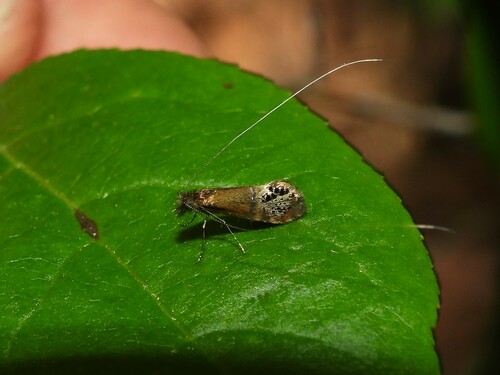
More photos
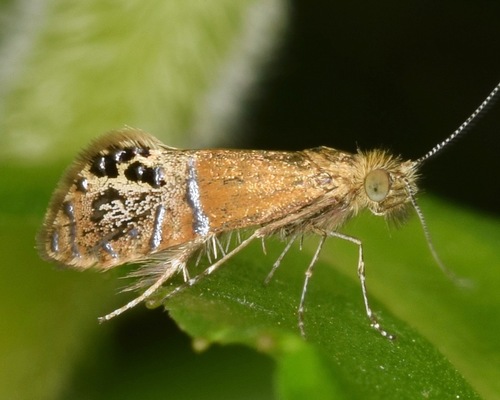
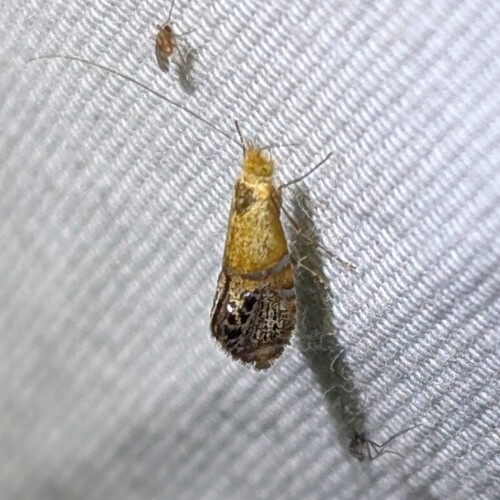
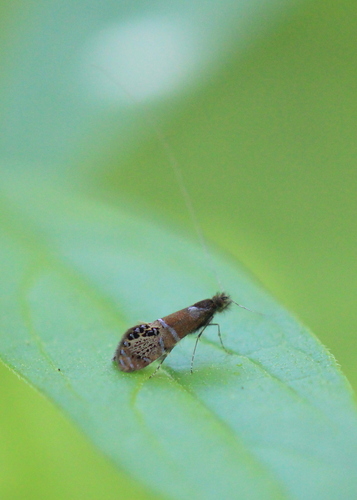
Questions people ask
When are adult Ridings' Fairy Moths active?
Adults are active in early summer, usually from June through July.
Source: Wikipedia
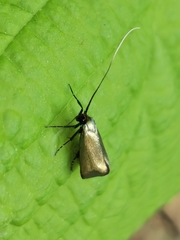
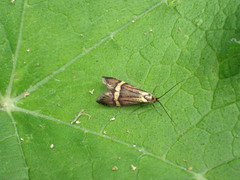
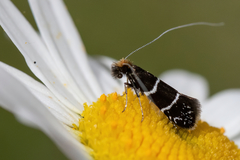
Same family (Adelidae)

Sources
- Wikipedia: https://en.wikipedia.org/wiki/Adela_ridingsella
Look it up elsewhere: GBIF · iNaturalist · BugGuide · Wikipedia
Text written 2026-10-26 from the sources above and checked sentence by sentence against them. Data fetched 2026-10-26.