 Bug FAQ
Promecognathus laevissimus
Promecognathus laevissimus · Order: Coleoptera · Family: Carabidae
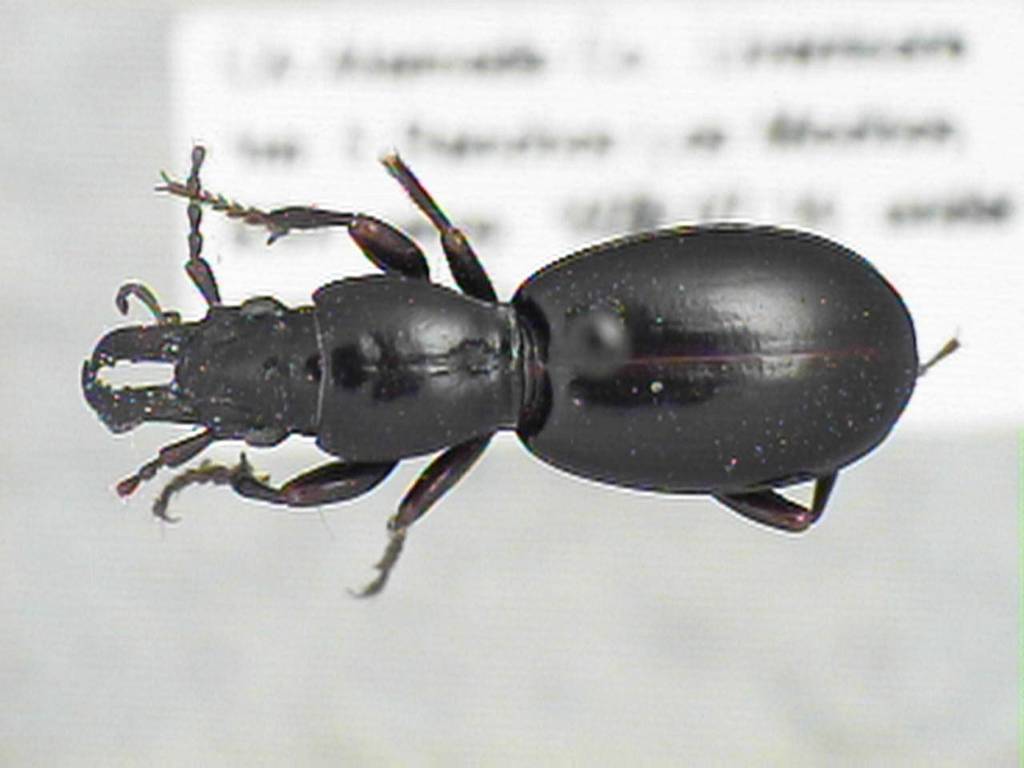
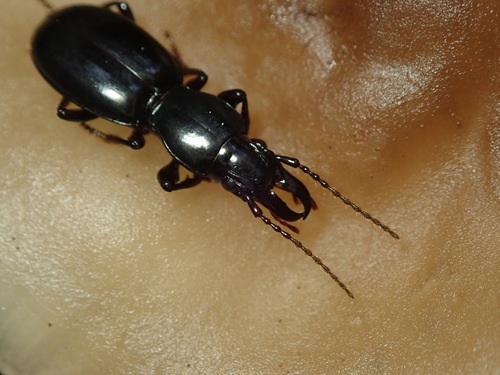
Adult Promecognathus laevissimus are glossy black beetles with long jaws and a narrow thorax, measuring 5 to 18 mm (0.20 to 0.71 in) in length. They are nocturnal predators that feed on millipedes, even those that release cyanide and benzaldehyde, and they tolerate those toxins. The species occurs in western North America, especially Oregon, California, and Nevada, and it is closely related to Promecognathus crassus.
Source: Wikipedia
How to recognize it
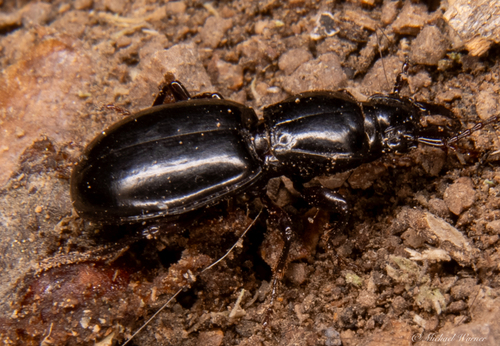
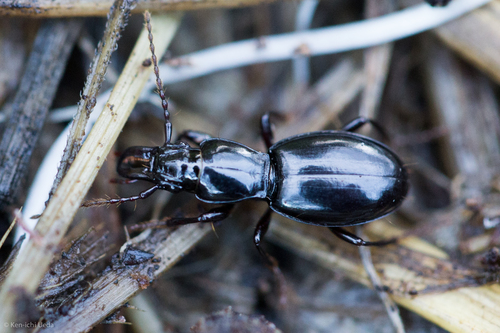
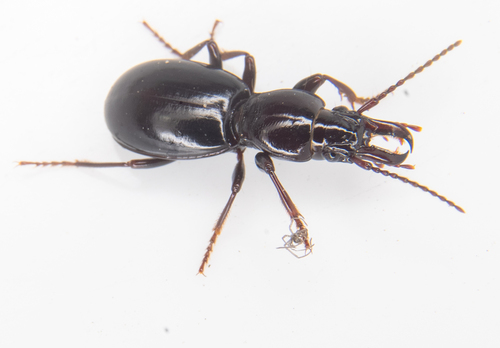
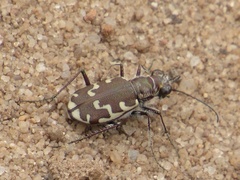
Adult P. laevissimus are glossy black beetles with long jaws and a narrow thorax.
Source: Wikipedia
Size
They range from 5 to 18 mm (0.20 to 0.71 in) long.
Source: Wikipedia
What it eats
They prey on millipedes, even those that produce hydrogen cyanide and benzaldehyde, and they tolerate those toxins.
Source: Wikipedia
When you see it
They are active at night.
Source: Wikipedia
Where it comes from
Their native range is western North America, specifically Oregon, California, and Nevada.
Source: Wikipedia
Lookalikes
A close relative that they may be confused with is Promecognathus crassus.
Source: Wikipedia
Where it is found in the US
Recorded in 3 of 51 states and DC. Most records: California, Oregon, Washington.
Darker = more records. Counts are museum and citizen-science records, not population size.
Source: GBIF
Months it is reported in the US
Source: GBIF
More photos
Questions people ask
What do Promecognathus laevissimus beetles eat?
They feed on millipedes, including toxic species, and can tolerate the toxins those millipedes produce.
Source: Wikipedia
Where can I find Promecognathus laevissimus?
They occur in western North America, especially in Oregon, California, and Nevada.
Source: Wikipedia
Are these beetles active during the day or night?
They are nocturnal, being active at night.
Source: Wikipedia
What other beetle looks similar to Promecognathus laevissimus?
A close relative, Promecognathus crassus, is the most similar species.
Source: Wikipedia
Same family (Carabidae)


Sources
- Wikipedia: https://en.wikipedia.org/wiki/Promecognathus_laevissimus
Look it up elsewhere: GBIF · iNaturalist · BugGuide · ITIS · Wikipedia
Text written 2026-10-25 from the sources above and checked sentence by sentence against them. Data fetched 2026-10-25.