 Bug FAQ
Polymnia Tigerwing
Mechanitis polymnia · Order: Lepidoptera · Family: Nymphalidae
Also called: Disturbed Tigerwing, Orange-spotted Tiger Clearwing, Sweet Oil
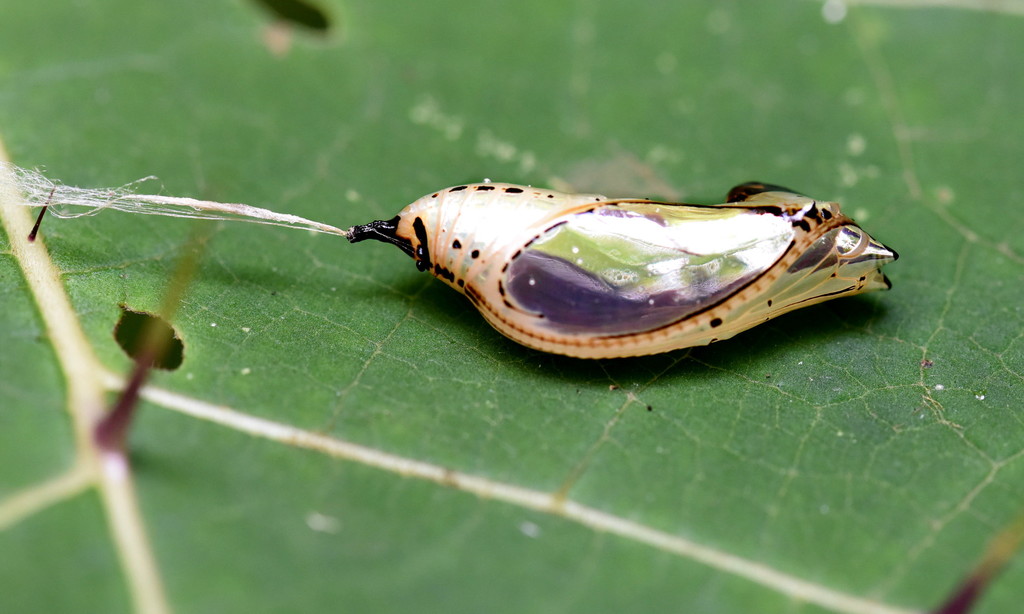
The orange-spotted tiger clearwing has a wingspan of about 65 to 75 mm. It lives from Mexico down through the Amazon rainforest. Its caterpillars eat plants in the nightshade family, such as Solanum species.
Source: Wikipedia
How to recognize it
Mechanitis polymnia is a butterfly in the Nymphalidae family, known as the orange-spotted tiger clearwing.
Source: Wikipedia
Size
The wingspan ranges from 65 to 75 mm (about 2.6 to 3.0 in).
Source: Wikipedia
What it eats
Larvae feed on Solanum (nightshade) species.
Source: Wikipedia
Where it comes from
Its range extends from Mexico through the Amazon region.
Source: Wikipedia
Where it is found in the US
Recorded in 1 of 51 states and DC. Most records: California.
Darker = more records. Counts are museum and citizen-science records, not population size.
Source: GBIF
Questions people ask
Where is the orange-spotted tiger clearwing found?
It occurs from Mexico down to the Amazon rainforest.
Source: Wikipedia
What do the caterpillars of Mechanitis polymnia eat?
They feed on plants in the Solanum genus.
Source: Wikipedia
Same family (Nymphalidae)






Sources
- Wikipedia: https://en.wikipedia.org/wiki/Mechanitis_polymnia
Look it up elsewhere: GBIF · iNaturalist · BugGuide · Wikipedia
Text written 2026-10-22 from the sources above and checked sentence by sentence against them. Data fetched 2026-10-22.