 Bug FAQ
Peach Blossom Moth
Thyatira batis · Order: Lepidoptera · Family: Drepanidae
Also called: Peach Blossom
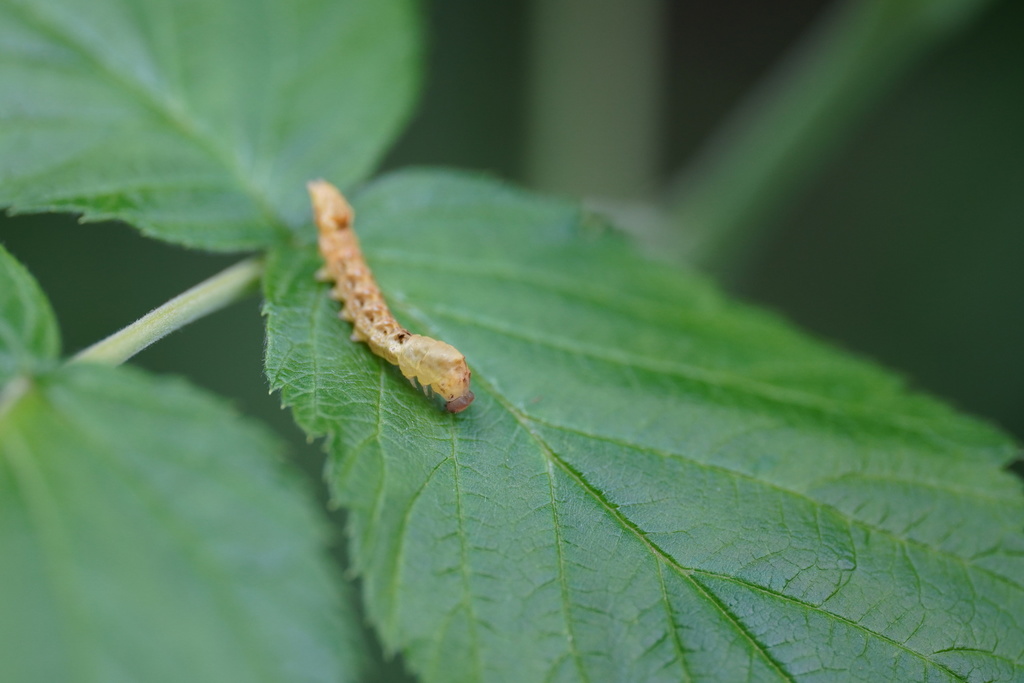
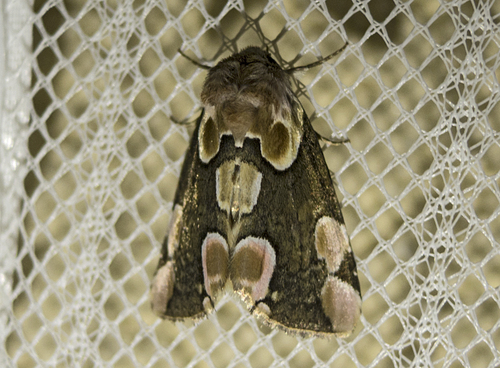
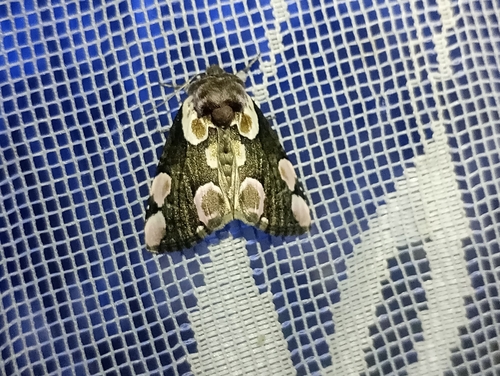
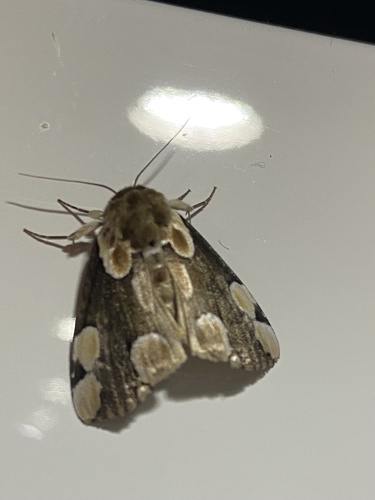
The peach blossom moth has a wingspan of about 40 to 45 mm. Its forewings are brown with five pink-white spots that look like peach blossoms, while the hindwings are buff and grey.
Source: Wikipedia
How to recognize it
Forewings are brown with five pink-white blotches resembling peach blossoms; hindwings are buff and grey.
Source: Wikipedia
Size
Wingspan ranges from 40 to 45 mm.
Source: Wikipedia
Where it lives
Flies at night in western Europe during June and July, with a possible second brood in late August and September.
Source: Wikipedia
Life cycle
Overwinters as a pupa.
Source: Wikipedia
When you see it
Active at night in June-July and sometimes again in late August-September in western Europe.
Source: Wikipedia
Where it comes from
Its range includes Europe, Japan and Mongolia across the Palearctic region.
Source: Wikipedia
Where it is found in the US
Recorded in 1 of 51 states and DC. Most records: Colorado.
Darker = more records. Counts are museum and citizen-science records, not population size.
Source: GBIF
More photos
Questions people ask
When can I expect to see peach blossom moths?
They are active at night in June and July, with a possible second flight in late August and September.
Source: Wikipedia
What do the spots on the wings look like?
The forewings have five pink-white blotches that resemble peach blossom petals.
Source: Wikipedia
Same family (Drepanidae)
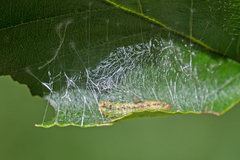 Arched Hooktip MothDrepana arcuataDamages trees, gardens or crops
 Oak Hook-tipWatsonalla binariaDamages trees, gardens or crops
 Buff ArchesHabrosyne pyritoidesDamages trees, gardens or crops
 Tufted Thyatirine MothPseudothyatira cymatophoroides
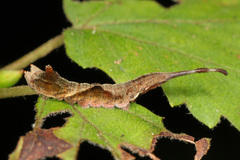 Rose HooktipOreta rosea
 Pebble Hook-tipDrepana falcatariaDamages trees, gardens or crops
Sources
- Wikipedia: https://en.wikipedia.org/wiki/Peach_blossom
Look it up elsewhere: GBIF · iNaturalist · BugGuide · Wikipedia
Text written 2026-10-22 from the sources above and checked sentence by sentence against them. Data fetched 2026-10-22.