 Bug FAQ
Parsnip Leaf Miner
Euleia fratria · Order: Diptera · Family: Tephritidae
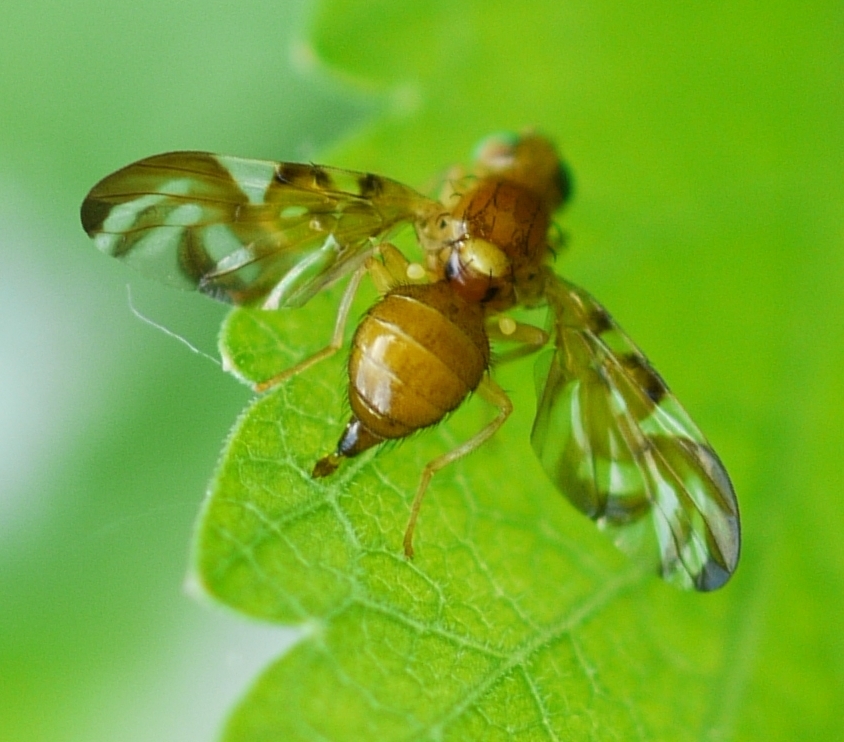
Adult parsnip leaf miners develop on a variety of Apiaceae plants such as Angelica and Cicuta species. The larvae live inside leaves, mining them, and later pupate either within the leaf or in the soil.
Source: Wikipedia
Where it lives
Adults are found on many Apiaceae hosts, including Angelica atropurpurea, Angelica hendersonii, and Cicuta douglasii.
Source: Wikipedia
What it eats
Both adults and larvae feed on Apiaceae plants such as Angelica and Cicuta species.
Source: Wikipedia
Life cycle
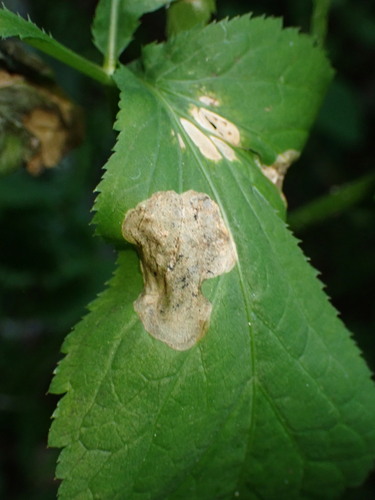
Larvae mine the leaves of their host plants. Pupation may occur inside the mined leaf or in the surrounding soil.
Source: Wikipedia
Where it comes from
Parsnip leaf miner is native to North America.
Source: Wikipedia
Where it is found in the US
Recorded in 32 of 51 states and DC. Most records: California, Oregon, New York, Pennsylvania, Wisconsin, Massachusetts, Virginia, Ohio.
Darker = more records. Counts are museum and citizen-science records, not population size.
Source: GBIF
Status: native in North America; native in Canada; native in United States. Source: iNaturalist
Months it is reported in the US
Source: GBIF
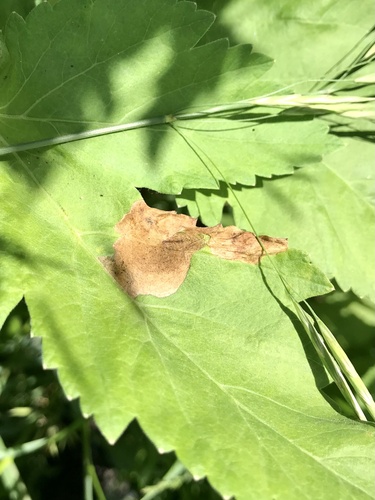
More photos
Questions people ask
What plants do parsnip leaf miner larvae affect?
The larvae mine the leaves of various Apiaceae plants, including Angelica and Cicuta species.
Source: Wikipedia
Where is the parsnip leaf miner originally from?
It is native to North America and was first described in 1862.
Source: Wikipedia
Same family (Tephritidae)
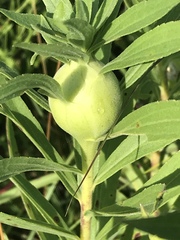 Goldenrod Gall FlyEurosta solidaginis
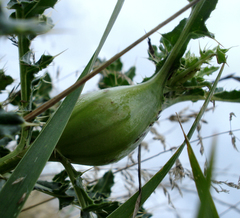 Thistle Stem Gall FlyUrophora cardui
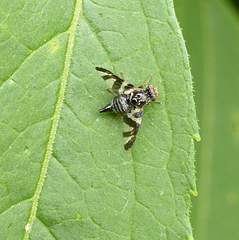 Goldenrod Brussels Sprout Gall FlyProcecidochares atra
 Mediterranean Fruit FlyCeratitis capitataDamages trees, gardens or crops
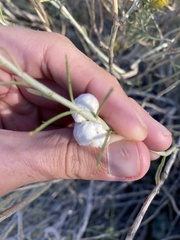 Cotton-gall TephritidAciurina bigeloviae
 Oriental Fruit FlyBactrocera dorsalisDamages trees, gardens or crops
Sources
- Wikipedia: https://en.wikipedia.org/wiki/Euleia_fratria
Look it up elsewhere: GBIF · iNaturalist · BugGuide · ITIS · Wikipedia
Text written 2026-10-26 from the sources above and checked sentence by sentence against them. Data fetched 2026-10-26.