 Bug FAQ
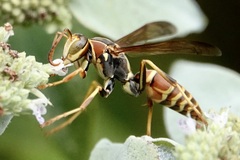
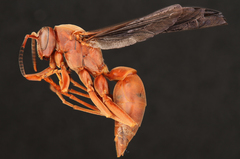
Potter wasp
Parancistrocerus fulvipes · Order: Hymenoptera · Family: Eumenidae
Source: Wikipedia
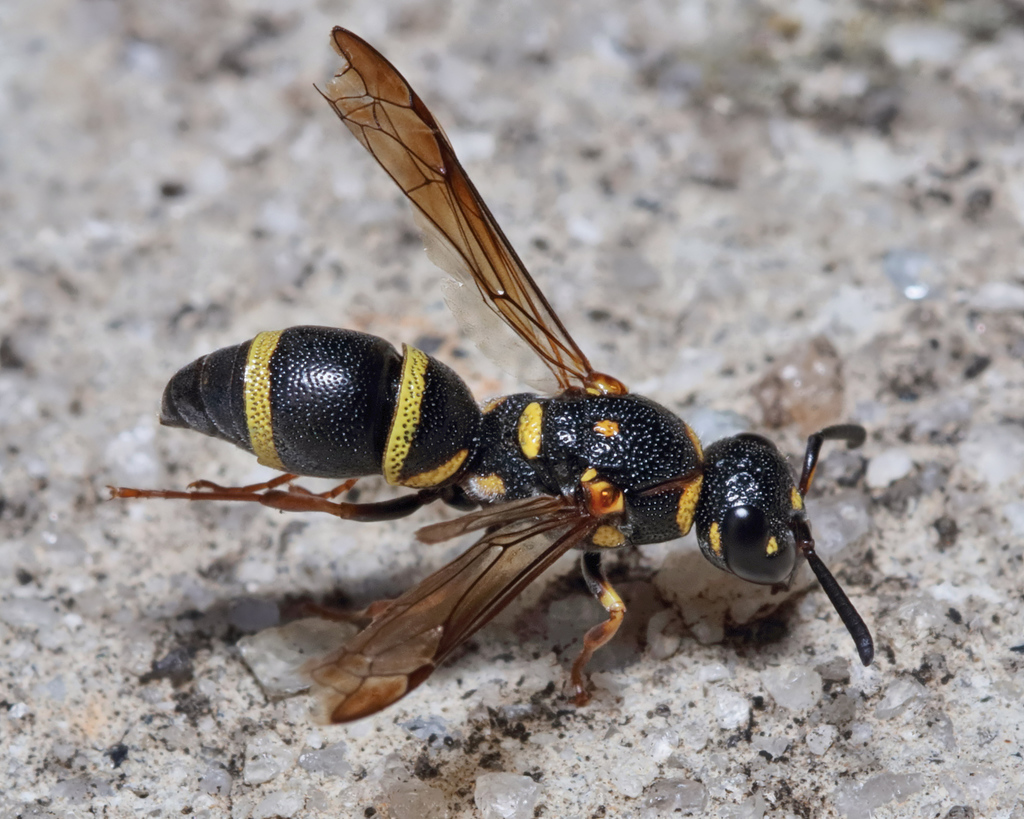
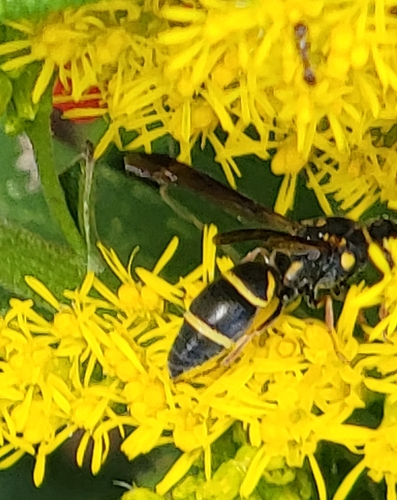
It nests in wood borings, old mud-dauber or Polistes nests, abandoned bee burrows, or its own ground burrows. It hunts caterpillars from several moth families such as Tortricidae, Nolidae, Chloephorinae, Crambidae and Gelechiidae. It is a stinging wasp and can deliver a sting if handled.
Source: Wikipedia
Does it bite or sting?
It possesses a stinger and can sting people.
Source: Wikipedia
Where it lives
Nests are found in wood borings, old mud-dauber or Polistes nests, abandoned ground-nesting bee burrows, or in self-made ground burrows.
Source: Wikipedia
Where it is found in the US
Recorded in 30 of 51 states and DC. Most records: Texas, Florida, Virginia, Maryland, Georgia, Tennessee, North Carolina, Illinois.
Darker = more records. Counts are museum and citizen-science records, not population size.
Source: GBIF
Months it is reported in the US
Source: GBIF
More photos
Questions people ask
Can Parancistrocerus fulvipes sting people?
Yes, it can deliver a sting if it is handled or disturbed.
Source: Wikipedia
Where does this wasp build its nests?
It nests in wood borings, old mud-dauber or Polistes nests, abandoned bee burrows, or its own ground burrows.
Source: Wikipedia
What does this wasp eat?
It preys on caterpillars of several moth families, including Tortricidae and Crambidae.
Source: Wikipedia
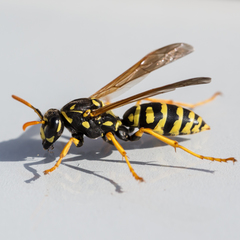
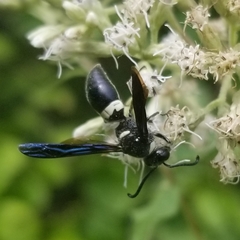
Same family (Eumenidae)

Sources
- Wikipedia: https://en.wikipedia.org/wiki/Parancistrocerus_fulvipes
Look it up elsewhere: GBIF · iNaturalist · BugGuide · Wikipedia
Text written 2026-10-23 from the sources above and checked sentence by sentence against them. Data fetched 2026-10-22.