 Bug FAQ
Paracantha gentilis
Paracantha gentilis · Order: Diptera · Family: Tephritidae
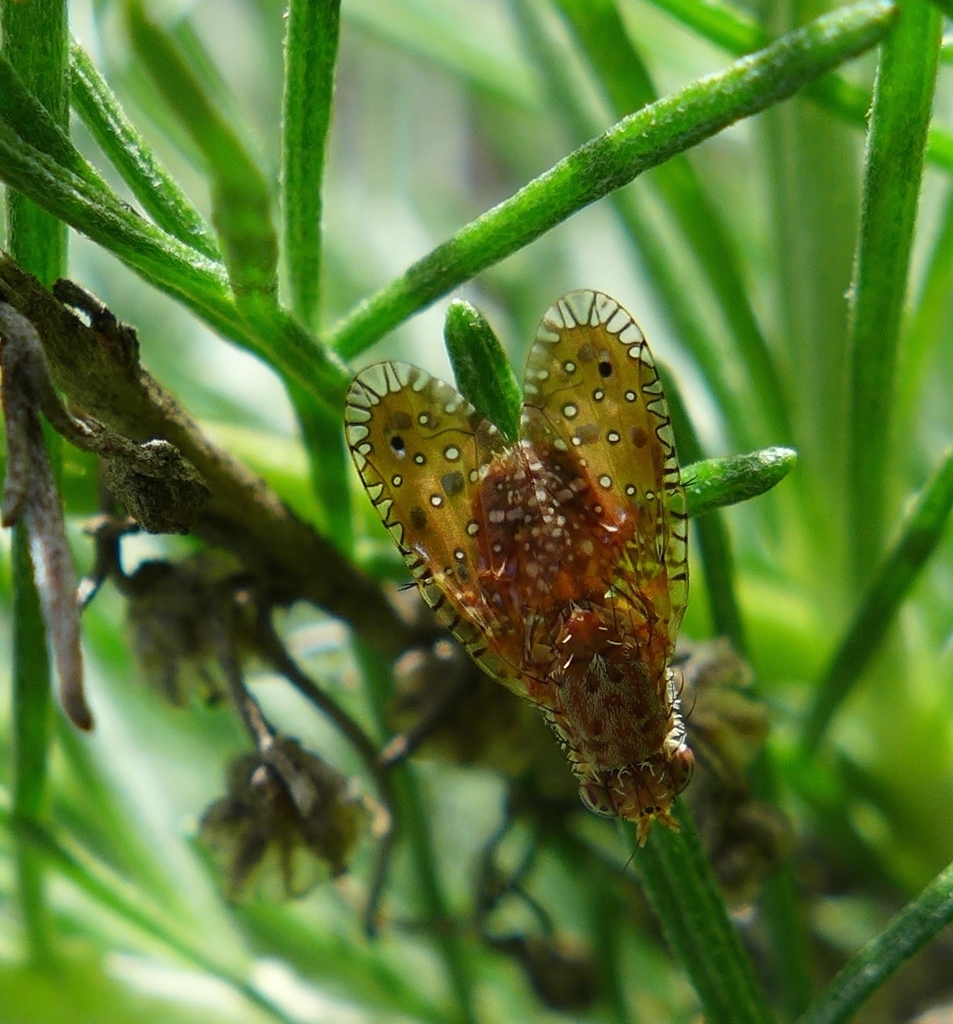
Two generations appear each year: overwintered adults in late March-early May and their offspring in late June, both feeding on sap from thistle oviposition wounds. It looks much like Paracantha culta but can be distinguished by smaller spots on the head.
Source: Wikipedia
How to recognize it
Paracantha gentilis can be told apart from the similar Paracantha culta by its smaller head spots.
Source: Wikipedia
Where it lives
Adult P. gentilis spend most of their time on thistle plants of the genus Cirsium. Females will lay eggs in thistle flower heads whether or not other females have already deposited eggs.
Source: Wikipedia
What it eats
Both males and females feed on the sap that leaks from thistle oviposition wounds.
Source: Wikipedia
Life cycle
Two generations appear each year on Cirsium: overwintered adults emerge from late March to early May, and their offspring emerge in late June.
Source: Wikipedia
Where it comes from
It is widely found across the western United States and its range extends south into Mexico and Costa Rica.
Source: Wikipedia
Where it is found in the US
Recorded in 8 of 51 states and DC. Most records: California, New Mexico, Colorado, Arizona, Oregon, Washington, Texas, South Dakota.
Darker = more records. Counts are museum and citizen-science records, not population size.
Source: GBIF
Status: native in North America; native in Canada. Source: iNaturalist
Months it is reported in the US
Source: GBIF
More photos
Questions people ask
When are Paracantha gentilis adults active?
Overwintered adults appear from late March to early May, and a second generation emerges in late June.
Source: Wikipedia
How can I tell Paracantha gentilis apart from similar flies?
It looks like Paracantha culta but has smaller spots on the head.
Source: Wikipedia
Where is this fly found?
It is widespread in the western United States and also occurs in Mexico and Costa Rica.
Source: Wikipedia
Same family (Tephritidae)
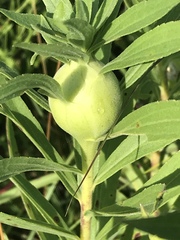 Goldenrod Gall FlyEurosta solidaginis
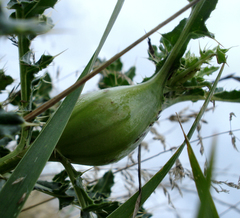 Thistle Stem Gall FlyUrophora cardui
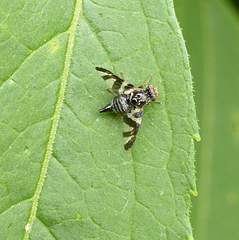 Goldenrod Brussels Sprout Gall FlyProcecidochares atra
 Mediterranean Fruit FlyCeratitis capitataDamages trees, gardens or crops
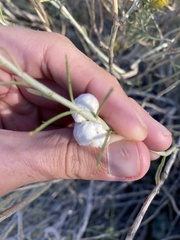 Cotton-gall TephritidAciurina bigeloviae
 Oriental Fruit FlyBactrocera dorsalisDamages trees, gardens or crops
Sources
- Wikipedia: https://en.wikipedia.org/wiki/Paracantha_gentilis
Look it up elsewhere: GBIF · iNaturalist · BugGuide · ITIS · Wikipedia
Text written 2026-10-27 from the sources above and checked sentence by sentence against them. Data fetched 2026-10-27.