 Bug FAQ
Pallas' Sailer
Neptis sappho · Order: Lepidoptera · Family: Nymphalidae
Also called: Pallas's Sailer, Common Glider
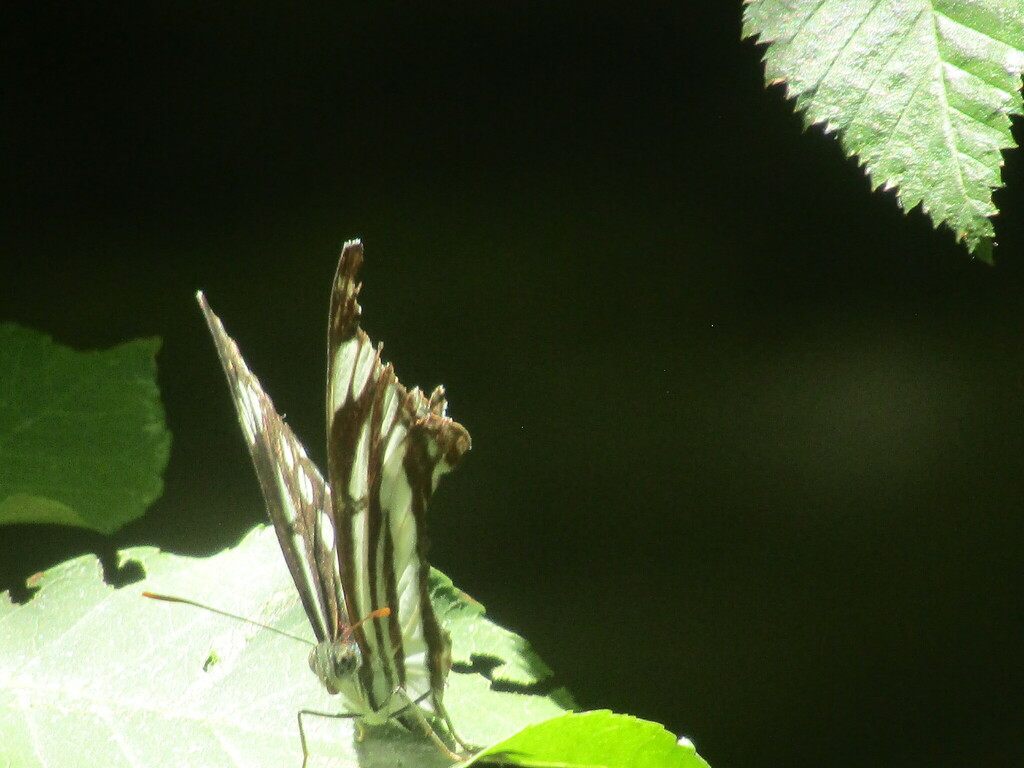
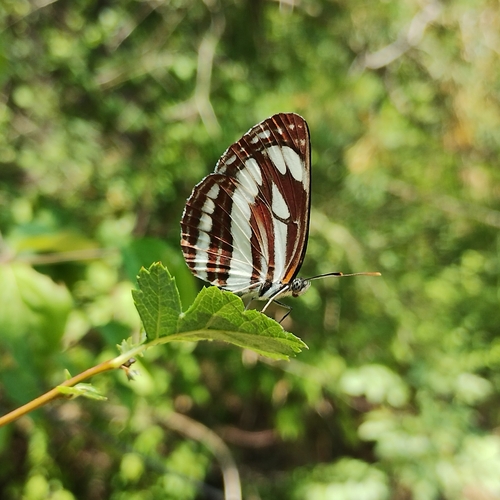
The Pallas' sailer has a wingspan of about 40 to 46 mm and dark forewings marked with a band of white spots, while the underside is rusty brown with the same spots. It lives in temperate regions across Central Europe, Russia, India, other parts of Asia and Japan.
Source: Wikipedia
How to recognize it
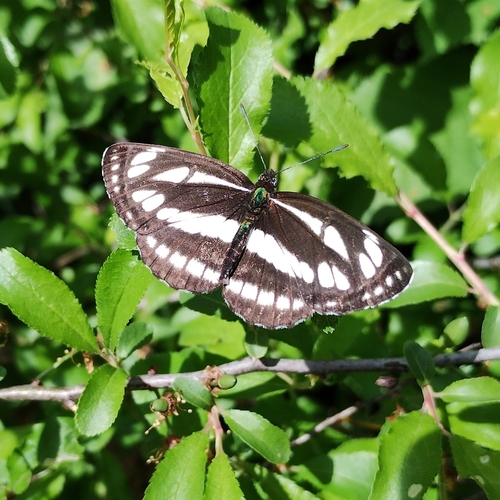
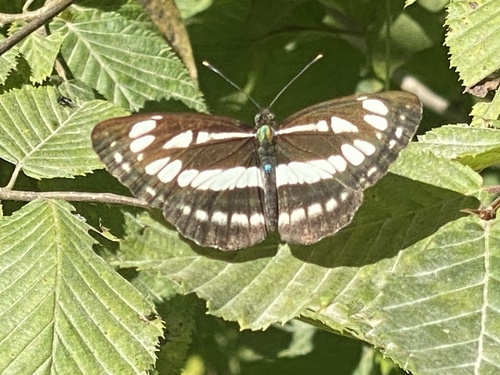
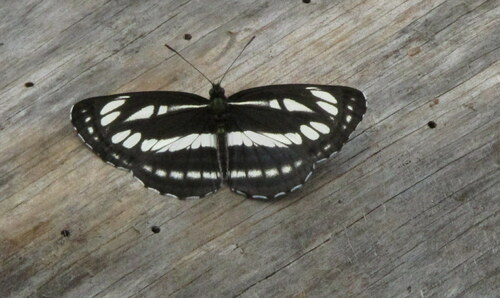
The upper side of the forewings is dark with a band of white spots. The underside is rusty brown and shows the same white spots as the top side.
Source: Wikipedia
Size
Wingspan ranges from about 40 to 46 mm.
Source: Wikipedia
Where it lives
It lives in temperate areas of Central Europe, Russia, India, other parts of Asia and Japan.
Source: Wikipedia
Where it comes from
Its range includes Central Europe, Russia, India, other temperate Asian regions and Japan.
Source: Wikipedia
Lookalikes
Compared with the similar Neptis rivularis, this species has more extensive white markings, with two rows on the hind wings.
Source: Wikipedia
More photos
Questions people ask
How can I tell Pallas' sailer apart from similar butterflies?
It has more extensive white markings, including two rows on the hind wings, unlike Neptis rivularis.
Source: Wikipedia
Same family (Nymphalidae)






Sources
- Wikipedia: https://en.wikipedia.org/wiki/Neptis_sappho
Look it up elsewhere: GBIF · iNaturalist · BugGuide · Wikipedia
Text written 2026-10-22 from the sources above and checked sentence by sentence against them. Data fetched 2026-10-22.