 Bug FAQ
Pūriri moth
Aenetus virescens · Order: Lepidoptera · Family: Hepialidae
Also called: Puriri moth, Pepe Tuna
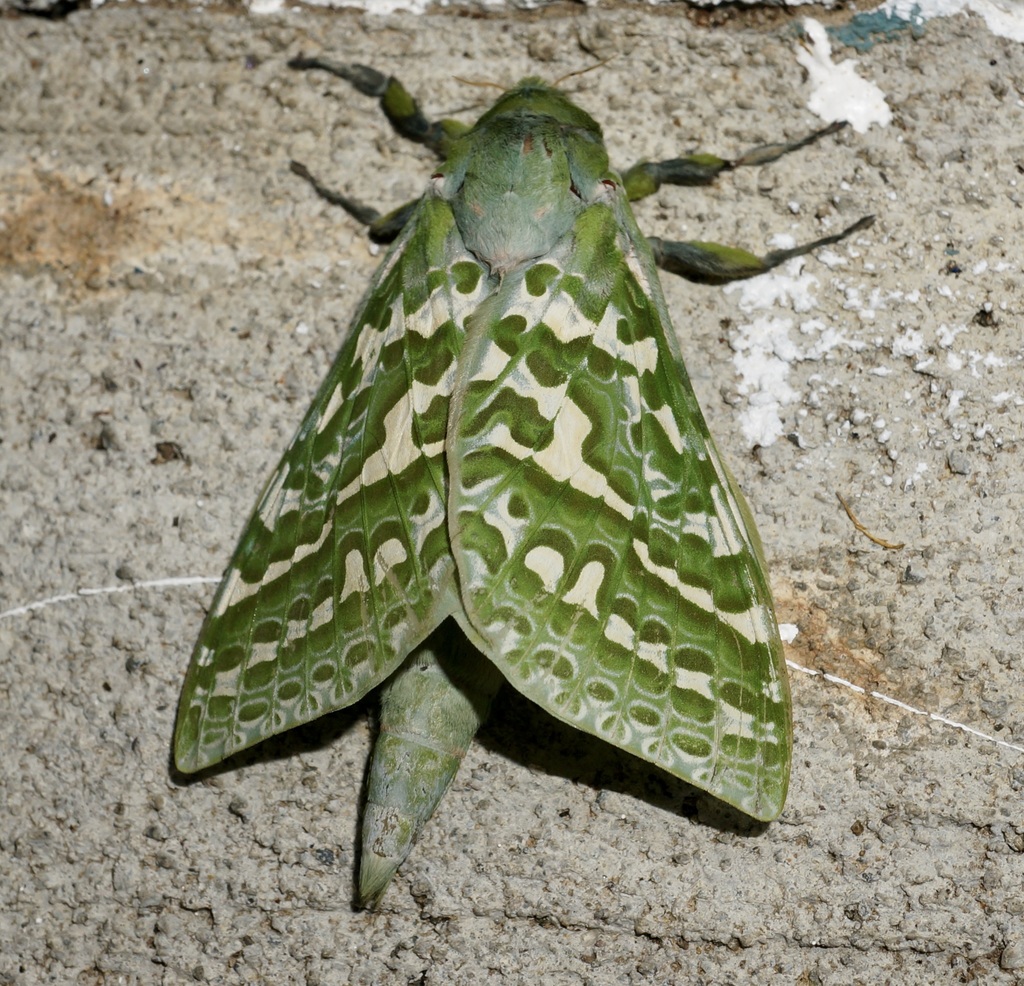
It lives in forested areas, spends five to six years as a wood-boring caterpillar, and the adult flies only a few nights to mate and lay eggs. The larvae feed on bracket fungi under decaying wood and on the callus tissue around their burrow entrances.
Source: Wikipedia
How to recognize it
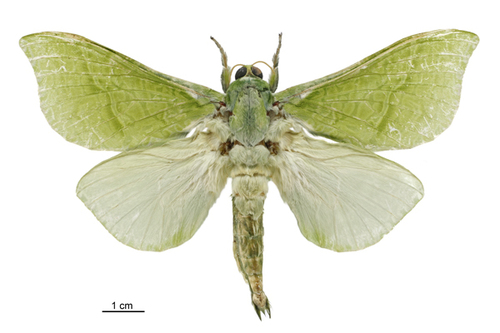
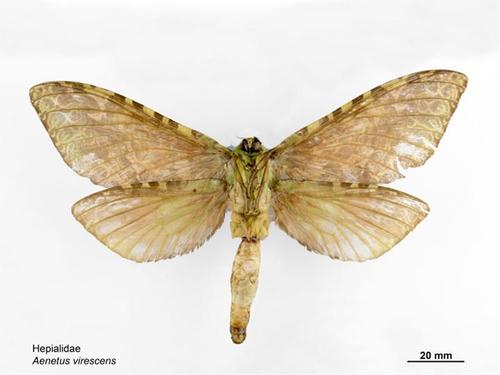
You can spot it by its huge size and bright green forewings, which have brown-black patterns in females and white patterns in males, while the hindwings are pinkish.
Source: Wikipedia
Size
Its wingspan can reach up to 150 mm, making it the biggest moth in New Zealand. On average, males are about 100 mm across and females about 150 mm.
Source: Wikipedia
Where it lives
Adults are nocturnal and live in forest habitats. The first five to six years of life are spent as a caterpillar inside a tree trunk.
Source: Wikipedia
What it eats
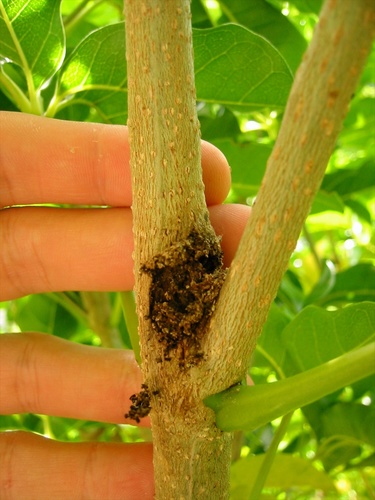
Caterpillars live under decaying wood near the ground and eat bracket fungi. They also emerge at night to feed on the callus tissue around their burrow entrance.
Source: Wikipedia
Life cycle
The larval stage may last up to six years. Adults live only a few days, being most active at dusk and night when they mate and lay eggs.
Source: Wikipedia
When you see it
Moths are most active at dusk and night when they mate and lay eggs.
Source: Wikipedia
Where it comes from
The species is endemic to New Zealand’s North Island.
Source: Wikipedia
More photos
Questions people ask
How can I identify a pūriri moth?
Look for a very large moth with bright green forewings, brown-black patterned in females, white patterned in males, and pinkish hindwings; its size is also a key clue.
Source: Wikipedia
Where does the pūriri moth live?
It lives in forested areas of New Zealand’s North Island and spends most of its life as a wood-boring caterpillar inside tree trunks.
Source: Wikipedia
What do pūriri moth larvae eat?
The larvae feed on bracket fungi under decaying wood and on the callus tissue around the entrance to their burrows.
Source: Wikipedia
How long does the pūriri moth live?
The caterpillar stage can last up to six years, while the adult lives only a few days, active at dusk and night to mate and lay eggs.
Source: Wikipedia
Same family (Hepialidae)

Sources
- Wikipedia: https://en.wikipedia.org/wiki/P%C5%ABriri_moth
Look it up elsewhere: GBIF · iNaturalist · BugGuide · Wikipedia
Text written 2026-10-23 from the sources above and checked sentence by sentence against them. Data fetched 2026-10-22.