 Bug FAQ
Bog Porina
Wiseana umbraculata · Order: Lepidoptera · Family: Hepialidae
Source: Wikipedia
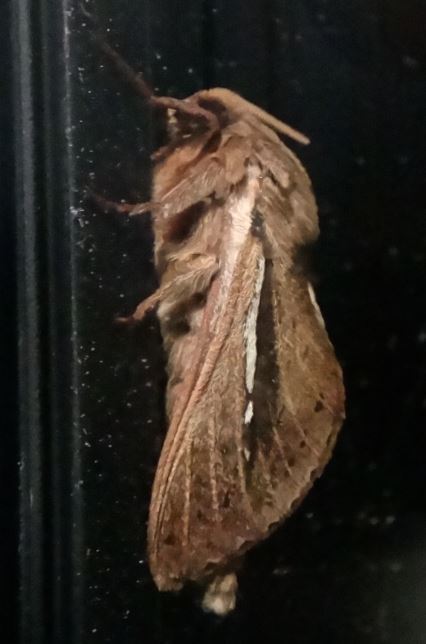
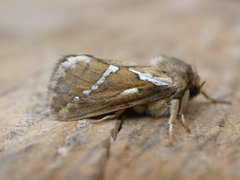
Adult males have darker wings with distinct dark spots, while females are lighter with brown dots on the forewings. The caterpillars have a brown head and a dirty white-grey body and feed on grass roots, creating bare patches in pastures.
Source: Wikipedia
How to recognize it
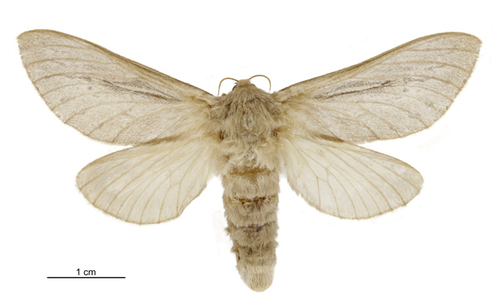
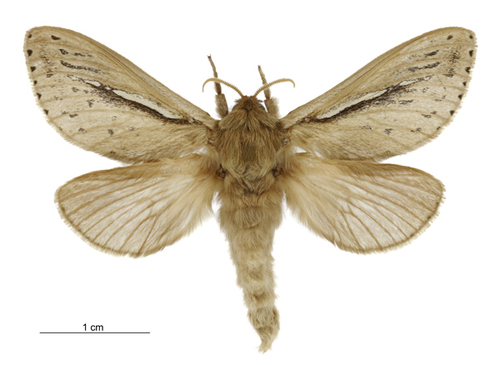
Males are much darker and show noticeable dark spots on the forewings; females are lighter with brown dots. Caterpillars have a brown head and a dirty white-grey body.
Source: Wikipedia
Size
Male wingspan ranges from 38 to 50 mm; females from 49 to 66 mm.
Source: Wikipedia
Is it a pest in the house?
Larvae are considered a major pest of pastures. They cut grass and clover leaves at the base and drag them to their burrows to eat.
Source: Wikipedia
How to get rid of it
Heavy stocking and close summer grazing reduce egg and larval survival. Maintaining grasses that are less preferred by porina lowers their numbers and pasture damage.
Source: Wikipedia
Where it lives
They prefer warm, moist conditions and are harmed by very hot, dry weather. Larvae live in long, dense pasture and can cause serious damage there.
Source: Wikipedia
What it eats
Larvae feed on various grass species. They concentrate feeding near the burrow entrance, overgrazing surrounding plants and leaving bare patches.
Source: Wikipedia
Life cycle
Adults mate immediately after emerging from the soil. Development from egg to adult takes about twelve months.
Source: Wikipedia
When you see it
Adults are on the wing from September through April.
Source: Wikipedia
Lookalikes
Larval stages of different porina species cannot be distinguished without DNA analysis.
Source: Wikipedia
More photos
Questions people ask
How can I tell male and female Bog Porina apart?
Males are darker with clear dark spots on the forewings, while females are lighter with brown dots.
Source: Wikipedia
What do Bog Porina larvae eat?
They feed on grass species, especially near their burrow entrances, which creates overgrazed bare patches.
Source: Wikipedia
How can I reduce Bog Porina damage in my pasture?
Use heavy stocking and close grazing in summer, and keep less-preferred grasses in the pasture to lower their numbers.
Source: Wikipedia
Same family (Hepialidae)

Sources
- Wikipedia: https://en.wikipedia.org/wiki/Wiseana_umbraculata
Look it up elsewhere: GBIF · iNaturalist · BugGuide · Wikipedia
Text written 2026-10-23 from the sources above and checked sentence by sentence against them. Data fetched 2026-10-23.