 Bug FAQ
Oak Apple Gall Wasp
Biorhiza pallida · Order: Hymenoptera · Family: Cynipidae
Also called: Oak Apple, Oak Apple Gall Causer
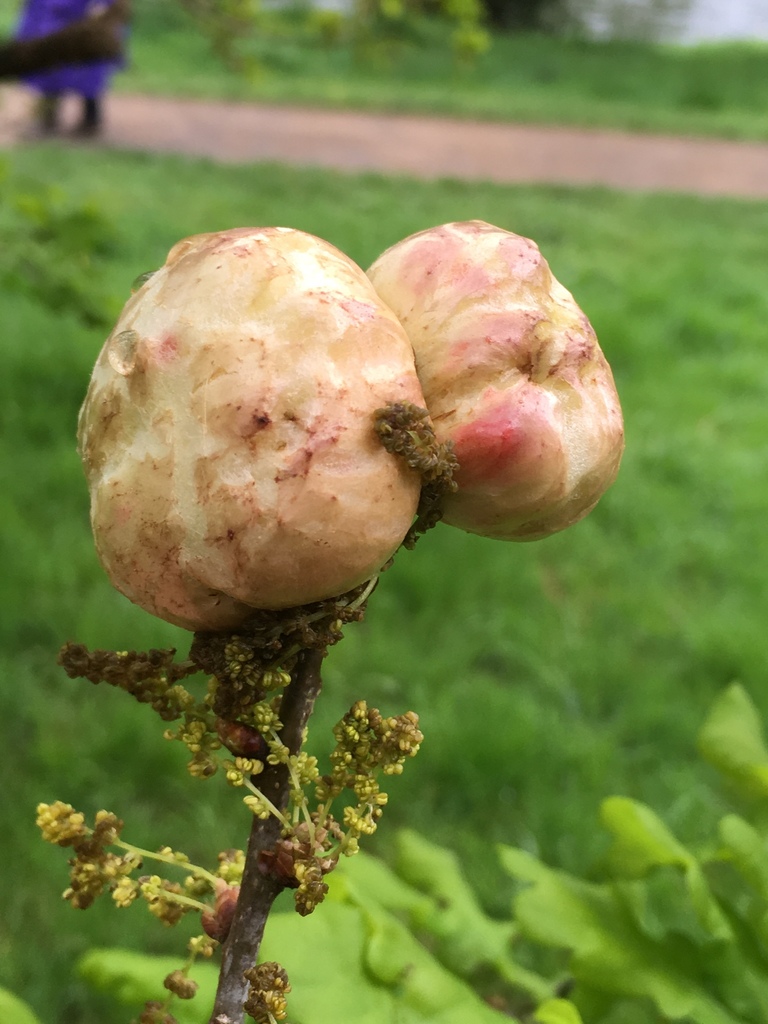
The oak apple gall wasp is a small, wingless insect about 5 mm long, with a golden-brown head, yellowish-brown body and orange simple eyes. It lives throughout Europe on many oak species, where its larvae develop inside characteristic oak galls that can hold up to thirty individuals. The wasp has a complex life cycle with a winter-time parthenogenetic female and a summer generation that includes both males and females.
Source: Wikipedia
Size
Wingless agamic females are 4.8 to 6.3 mm long. Summer males and females are smaller, measuring 2 to 3.5 mm.
Source: Wikipedia
Where it lives
The species is widely distributed across Europe.
Source: Wikipedia
What it eats
The gall provides food and protection for up to thirty developing larvae. The galls also shelter other gall-wasp species such as Synergus gallaepomiformis and Synergus umbraculus.
Source: Wikipedia
Life cycle
A winter-hatching agamic female reproduces by parthenogenesis and later mates in spring.
Source: Wikipedia
When you see it
The agamic females appear in spring, climb oak trunks, mate, and then descend to lay eggs in the soil.
Source: Wikipedia
Where it comes from
It occurs throughout Europe.
Source: Wikipedia
Lookalikes
Other gall-wasp species such as Synergus gallaepomiformis, Synergus umbraculus and about twenty hyperparasite species may share the same gall.
Source: Wikipedia
More photos
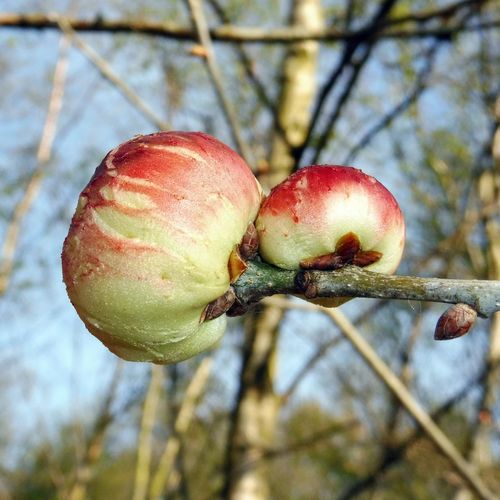
Questions people ask
Which oak trees can have oak apple galls?
Galls have been recorded on many oaks, including pedunculate oak, sessile oak, downy oak, Turkey oak, and cork oak, among others.
Source: Wikipedia
Same family (Cynipidae)


Sources
- Wikipedia: https://en.wikipedia.org/wiki/Biorhiza_pallida
Look it up elsewhere: GBIF · iNaturalist · BugGuide · ITIS · Wikipedia
Text written 2026-10-22 from the sources above and checked sentence by sentence against them. Data fetched 2026-10-22.