 Bug FAQ
Notiophilus sylvaticus
Notiophilus sylvaticus · Order: Coleoptera · Family: Carabidae
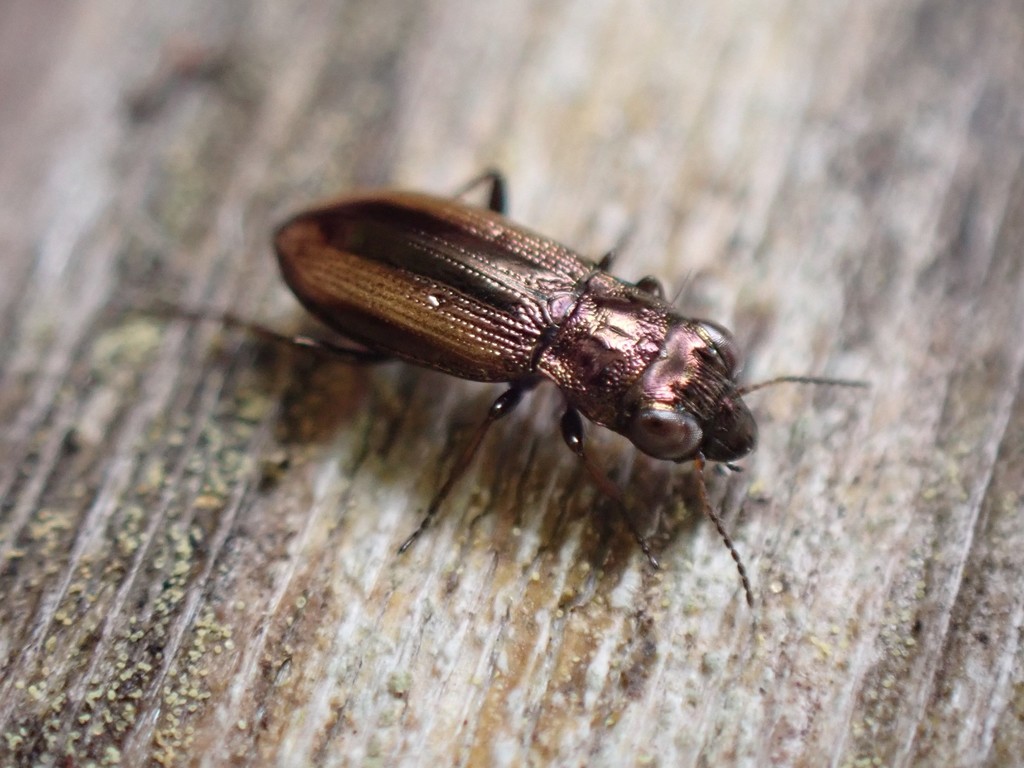
Adults of Notiophilus sylvaticus are social and active during the day, with some having short wings and others long wings. They live in open forests and meadow habitats.
Source: Wikipedia
Where it lives
It inhabits open forests and meadows.
Source: Wikipedia
Where it is found in the US
Recorded in 9 of 51 states and DC. Most records: Alaska, Washington, Oregon, California, New Hampshire, Colorado, Idaho, Missouri.
Darker = more records. Counts are museum and citizen-science records, not population size.
Source: GBIF
Status: native in North America; native in Canada. Source: iNaturalist
Months it is reported in the US
Source: GBIF
More photos
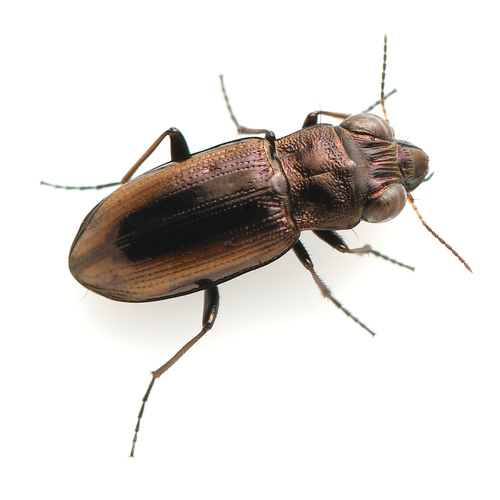
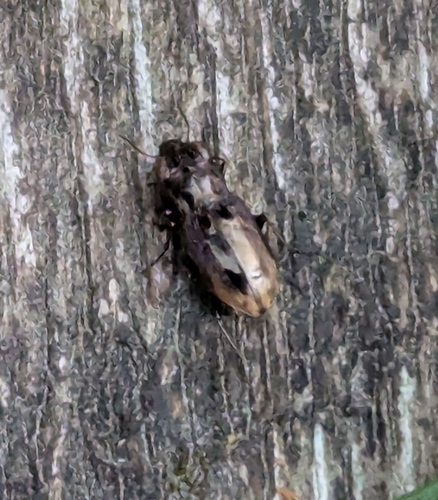
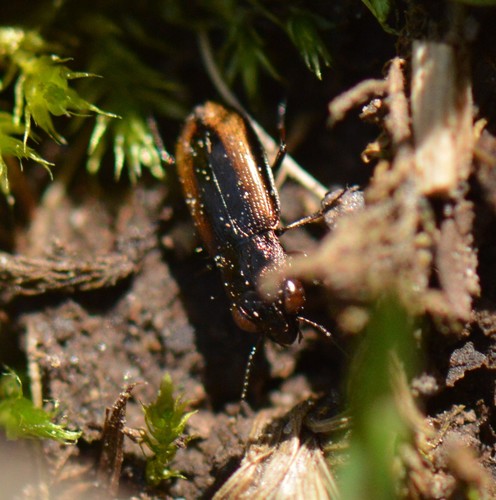
Questions people ask
What kind of habitat does Notiophilus sylvaticus prefer?
It lives in open forests and meadow areas.
Source: Wikipedia
Are the adults of Notiophilus sylvaticus winged or wingless?
Adults are wing-dimorphic: some have short (brachypterous) wings and others have long (macropterous) wings.
Source: Wikipedia
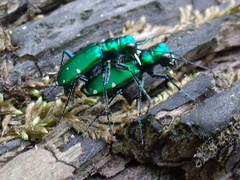
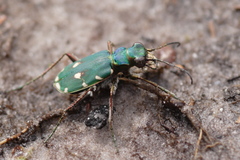
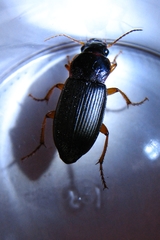
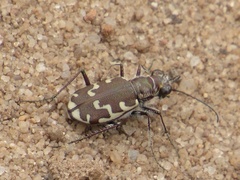
Same family (Carabidae)


Sources
- Wikipedia: https://en.wikipedia.org/wiki/Notiophilus_sylvaticus
Look it up elsewhere: GBIF · iNaturalist · BugGuide · ITIS · Wikipedia
Text written 2026-10-25 from the sources above and checked sentence by sentence against them. Data fetched 2026-10-25.