 Bug FAQ
Northern Pearly-eye
Lethe anthedon · Order: Lepidoptera · Family: Nymphalidae
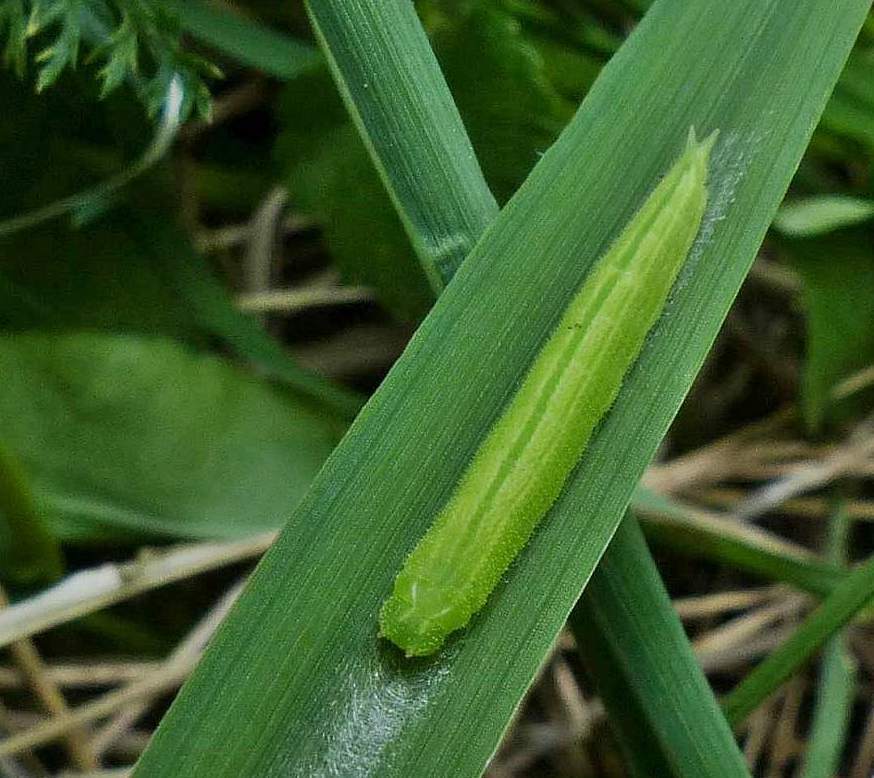
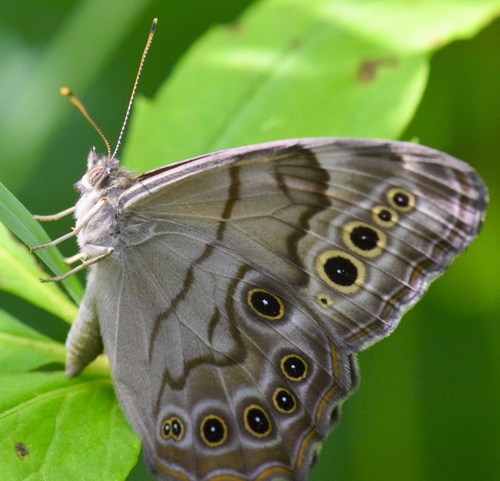
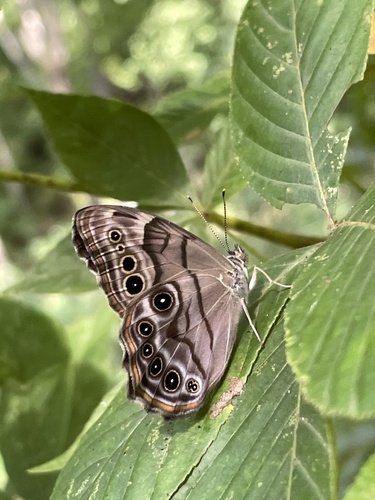
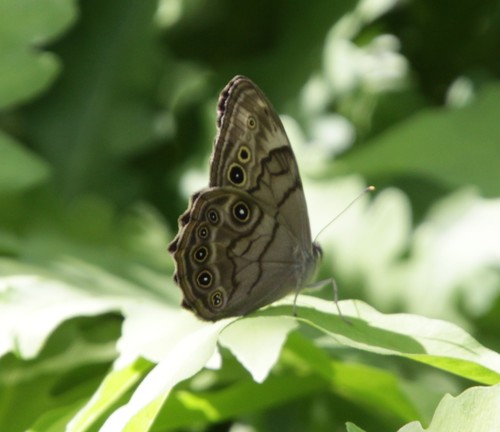
The Northern Pearly-eye has brown upper wings with dark eyespots and a plain brown underside. It lives across much of North America, from central Canada and the northern United States down to the Gulf Coast. Adults feed on dung, fungi, carrion and tree sap, while the caterpillars eat a variety of grasses.
Source: Wikipedia
How to recognize it
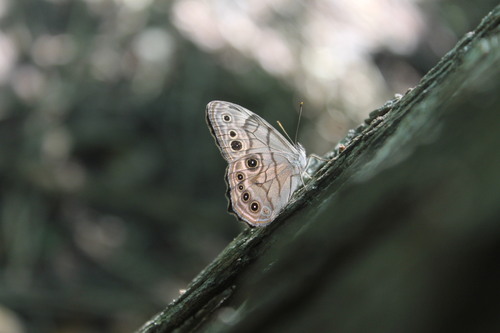
Upper side brown with dark eyespots; underside plain brown.
Source: Wikipedia
What it eats
Larvae feed on many grasses such as Leersia virginica, Erianthus, Muhlenbergia, Brachyelytrum erectum, Chasmanthium latifolium, Hystrix patula and Schizachne purpurascens.
Source: Wikipedia
Life cycle
The species spends the winter as a larva.
Source: Wikipedia
Where it comes from
Its native range matches the habitat description across North America.
Source: Wikipedia
Lookalikes
Can be confused with the Appalachian brown (Lethe appalachia) and the eyed brown (Lethe eurydice).
Source: Wikipedia
Where it is found in the US
Recorded in 38 of 51 states and DC. Most records: Virginia, Ohio, Vermont, Maryland, Michigan, Minnesota, Illinois, Wisconsin.
Darker = more records. Counts are museum and citizen-science records, not population size.
Source: GBIF
Status: native in North America; native in United States; native in Canada. Source: iNaturalist
Months it is reported in the US
Source: GBIF
More photos
Same family (Nymphalidae)






Sources
- Wikipedia: https://en.wikipedia.org/wiki/Lethe_anthedon
Look it up elsewhere: GBIF · iNaturalist · BugGuide · ITIS · Wikipedia
Text written 2026-10-22 from the sources above and checked sentence by sentence against them. Data fetched 2026-10-22.