 Bug FAQ
Nevada Buck Moth
Hemileuca nevadensis · Order: Lepidoptera · Family: Saturniidae
Also called: Nevada Buckmoth, midwestern fen buckmoth
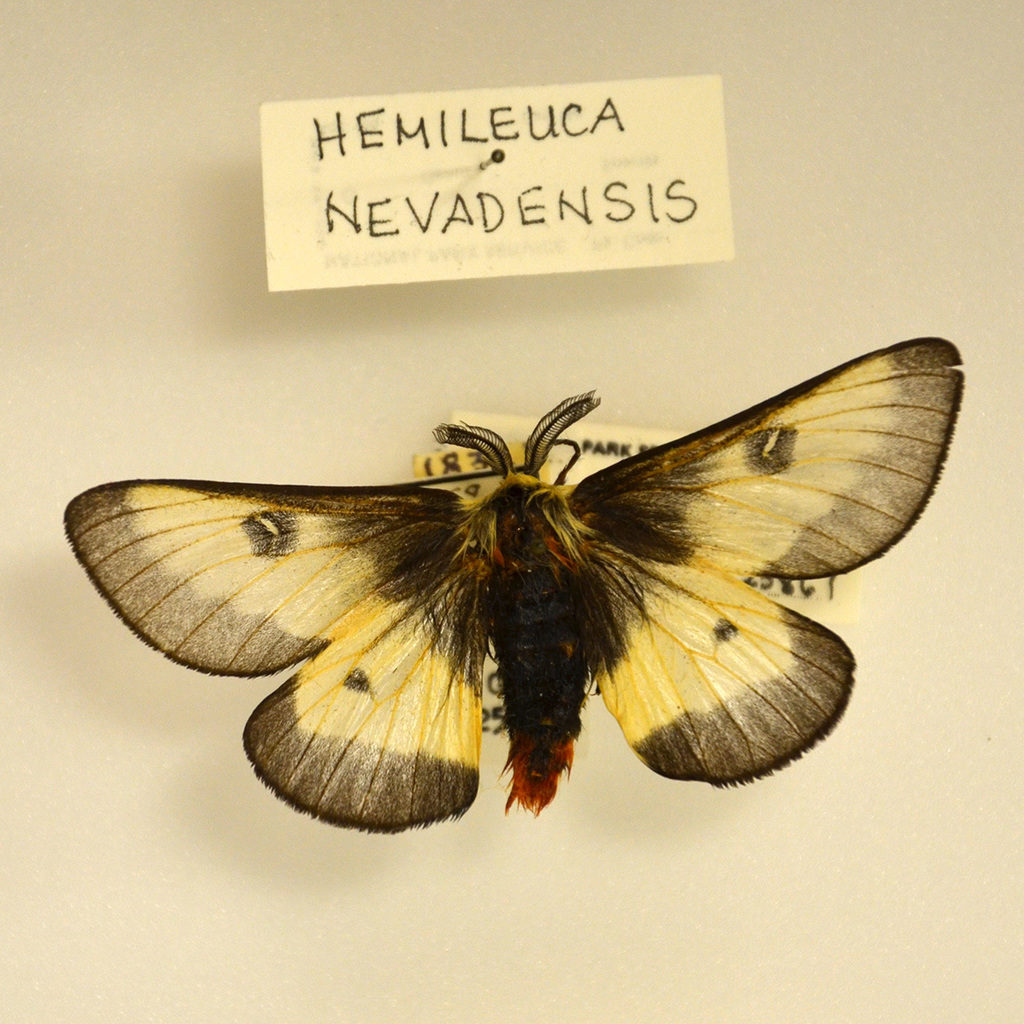
The Nevada Buck Moth has creamy-white wings with black edges and eye-like black spots, and females are larger than the black-abdomened males with red tips. It lives across the United States from the West Coast to Wisconsin and Michigan, and adults appear in one brood from September to December, laying eggs in rings on host-plant twigs.
Source: Wikipedia
How to recognize it
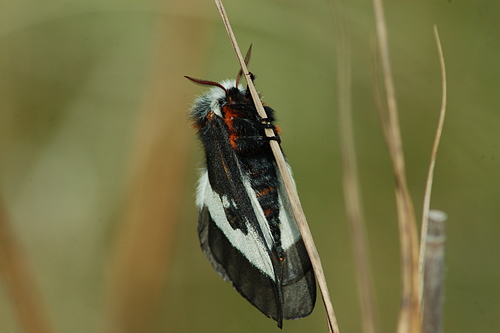
The upper side of each wing is creamy white with black edges and has black eye-like spots.
Source: Wikipedia
Size
Females are larger than males, and males have black abdomens that end in red tips.
Source: Wikipedia
Life cycle
Adults emerge in a single brood from September to December and lay eggs in rings around twigs of the host plant.
Source: Wikipedia
When you see it
The species has one generation that appears between September and December.
Source: Wikipedia
Where it comes from
They are found from the West Coast across the United States to Wisconsin and Michigan.
Source: Wikipedia
Where it is found in the US
Recorded in 25 of 51 states and DC. Most records: California, Colorado, Minnesota, New Mexico, Utah, Nebraska, Arizona, Nevada.
Darker = more records. Counts are museum and citizen-science records, not population size.
Source: GBIF
Status: native in North America; native in United States; native in Canada. Source: iNaturalist
Months it is reported in the US
Source: GBIF
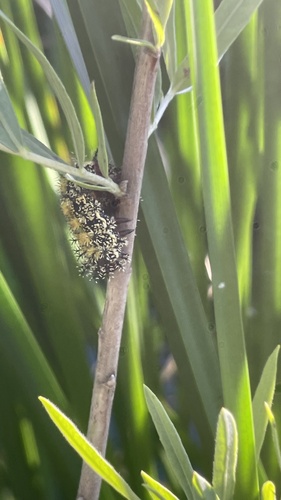
More photos
Questions people ask
When can I see adult Nevada Buck Moths?
Adults are present in one brood from September through December.
Source: Wikipedia
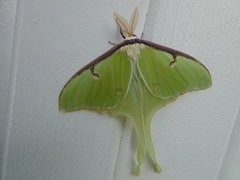
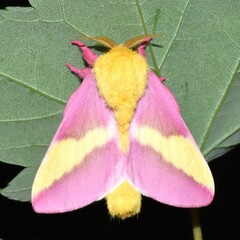
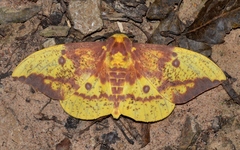
Same family (Saturniidae)


Sources
- Wikipedia: https://en.wikipedia.org/wiki/Hemileuca_nevadensis
Look it up elsewhere: GBIF · iNaturalist · BugGuide · ITIS · Wikipedia
Text written 2026-10-24 from the sources above and checked sentence by sentence against them. Data fetched 2026-10-24.