 Bug FAQ
Mt. Mackinley Alpine
Erebia mackinleyensis · Order: Lepidoptera · Family: Nymphalidae
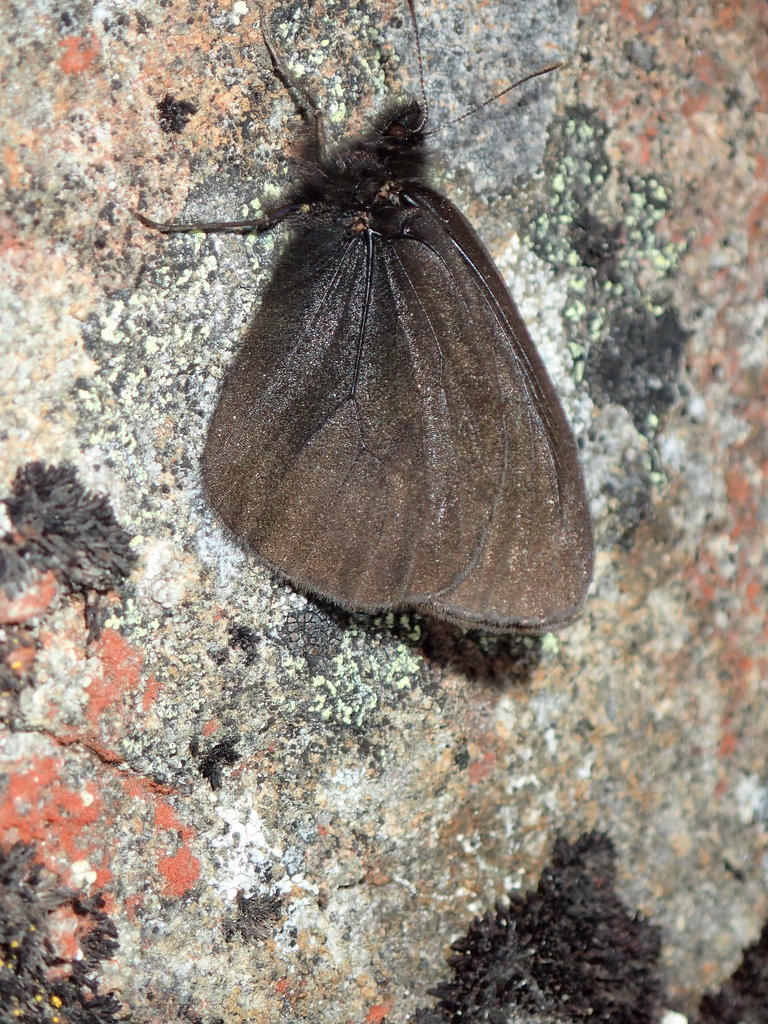
The Mt. McKinley alpine butterfly has a wingspan of about 41 to 53 mm. It lives on alpine scree and boulder fields and flies in late June and July. Its range stretches from eastern Siberia across Alaska and Yukon into parts of the Northwest Territories and British Columbia.
Source: Wikipedia
How to recognize it
Erebia mackinleyensis, known as the Mt. McKinley alpine, belongs to the Satyrinae subfamily of the Nymphalidae family.
Source: Wikipedia
Size
The butterfly’s wingspan measures between 41 and 53 mm.
Source: Wikipedia
Where it lives
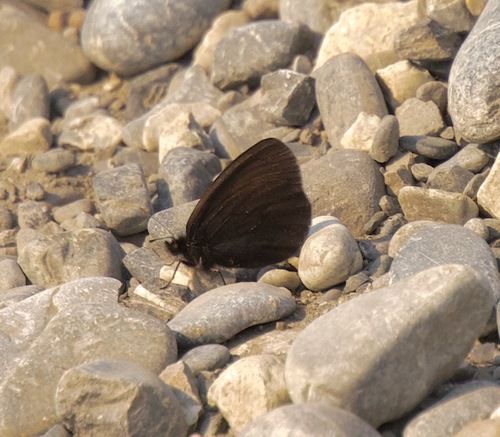
It inhabits alpine scree and boulder fields.
Source: Wikipedia
Where it is found in the US
Recorded in 1 of 51 states and DC. Most records: Alaska.
Darker = more records. Counts are museum and citizen-science records, not population size.
Source: GBIF
Status: native in North America; native in Canada. Source: iNaturalist
Months it is reported in the US
Source: GBIF
More photos
Questions people ask
Where can I find this butterfly?
Its range includes eastern Siberia, Alaska, Yukon, parts of the Northwest Territories, and British Columbia.
Source: Wikipedia
Same family (Nymphalidae)




Sources
- Wikipedia: https://en.wikipedia.org/wiki/Erebia_mackinleyensis
Look it up elsewhere: GBIF · iNaturalist · BugGuide · ITIS · Wikipedia
Text written 2026-10-28 from the sources above and checked sentence by sentence against them. Data fetched 2026-10-28.