 Bug FAQ
Mottled Thistle Fly
Xyphosia miliaria · Order: Diptera · Family: Tephritidae
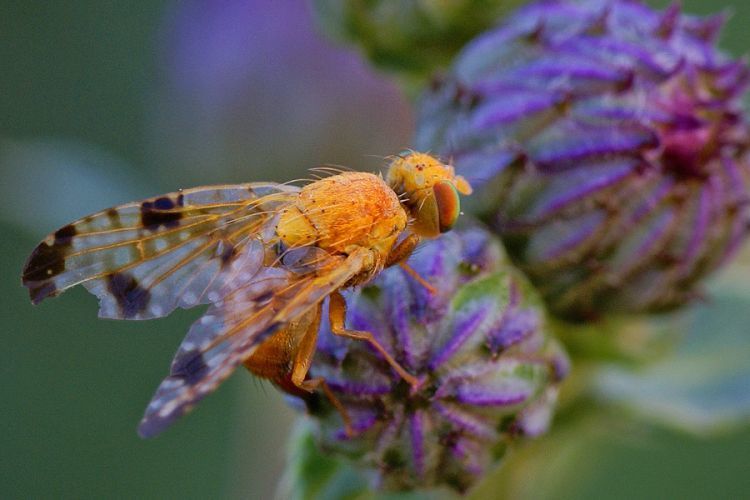
The mottled thistle fly is a small fruit fly about 5 to 8 mm long with a wingspan of 15 to 18 mm. Adults are seen from May to September visiting flowers for nectar and pollen, while the larvae grow inside thistle buds. It lives in wet meadows, parks and gardens where thistles grow and is found across most of Europe, the eastern Palearctic and the Near East.
Source: Wikipedia
Size
Body length is 5 to 8 mm and wingspan is 15 to 18 mm.
Source: Wikipedia
Where it lives
Found in wet meadows, parks and gardens that have thistles.
Source: Wikipedia
What it eats
Adults feed on nectar and pollen of many flowering plants; larvae develop inside buds of thistles such as Carduus nutans and Cirsium species.
Source: Wikipedia
Life cycle
Adults are active May-September; larvae grow on thistle buds during this period.
Source: Wikipedia
When you see it
Adults fly from May through September.
Source: Wikipedia
Where it comes from
Occurs in most of Europe, the eastern Palearctic realm and the Near East.
Source: Wikipedia
Lookalikes
It is a tephritid fruit fly in the family Tephritidae.
Source: Wikipedia
More photos


Questions people ask
When can I see adult mottled thistle flies?
Adults are on the wing from May to September.
Source: Wikipedia
What plants do the larvae use?
The larvae develop inside the buds of thistles such as Carduus nutans and several Cirsium species.
Source: Wikipedia
Where does this fly live?
It lives in wet meadows, parks and gardens where thistles are present.
Source: Wikipedia
Same family (Tephritidae)
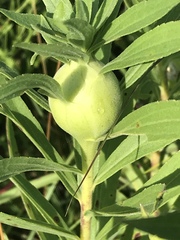 Goldenrod Gall FlyEurosta solidaginis
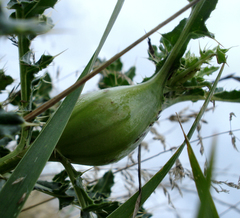 Thistle Stem Gall FlyUrophora cardui
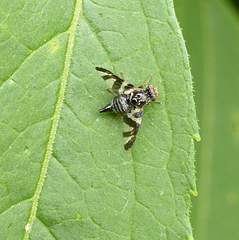 Goldenrod Brussels Sprout Gall FlyProcecidochares atra
 Mediterranean Fruit FlyCeratitis capitataDamages trees, gardens or crops
 Cotton-gall TephritidAciurina bigeloviae
 Oriental Fruit FlyBactrocera dorsalisDamages trees, gardens or crops
Sources
- Wikipedia: https://en.wikipedia.org/wiki/Xyphosia_miliaria
Look it up elsewhere: GBIF · iNaturalist · BugGuide · ITIS · Wikipedia
Text written 2026-10-23 from the sources above and checked sentence by sentence against them. Data fetched 2026-10-22.