 Bug FAQ
Lorquin's Admiral
Limenitis lorquini · Order: Lepidoptera · Family: Nymphalidae
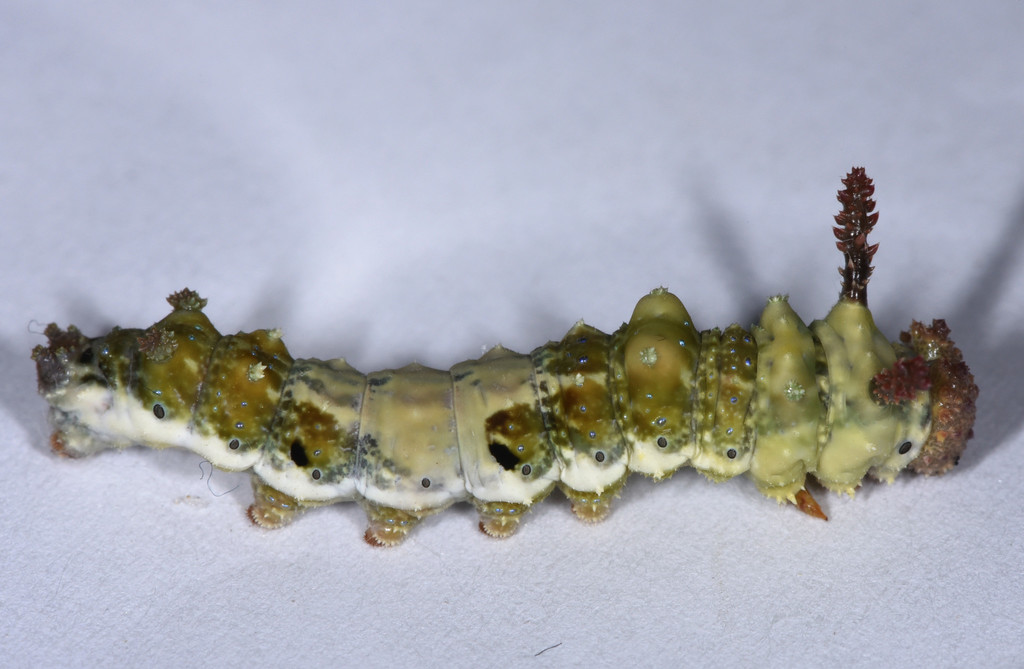
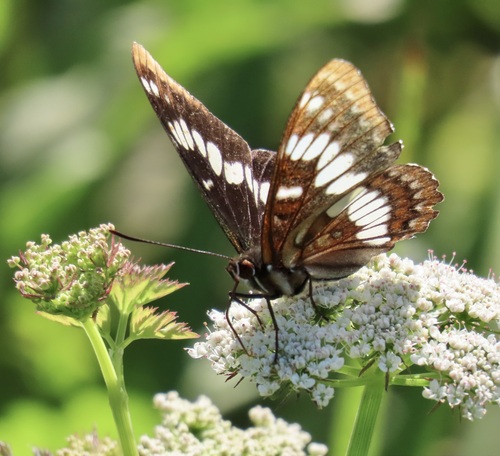
The Lorquin's admiral is a medium-sized butterfly with brown-black wings marked by a row of white spots and orange tips on the forewings. It lives in forest edges, mountain canyons, parks, streamsides, orchards and similar habitats across the western United States from the Upper Sonoran zone to western Montana and Idaho. Adults feed on nectar from plants like California buckeye and yerba santa, while the caterpillars eat leaves of willow, poplar, cherry, cottonwood and other orchard trees.
Source: Wikipedia
How to recognize it
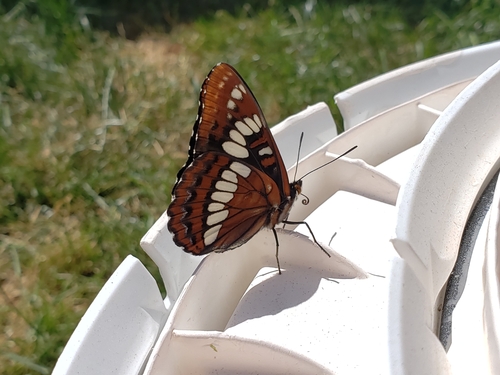
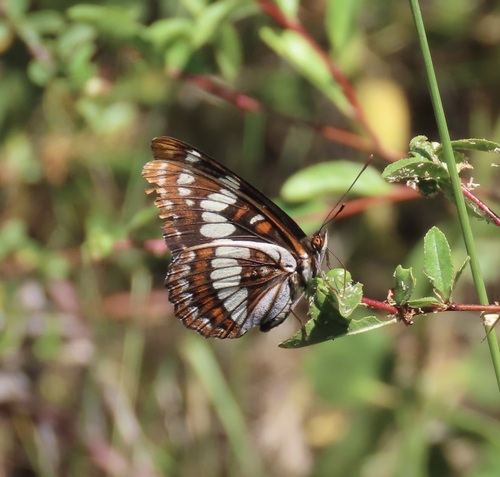
The wings are dark brown-black with a single row of white spots across each wing and orange tips on the forewings.
Source: Wikipedia
Size
Wingspan ranges from about 47 mm to 71 mm, with females generally larger than males.
Source: Wikipedia
What it eats
Adults sip nectar from plants such as California buckeye, yerba santa, and privet, and may also feed on bird droppings and dung. Caterpillars eat leaves of willow, poplar, cherry, cottonwood and a variety of orchard trees including apple and plum.
Source: Wikipedia
Life cycle
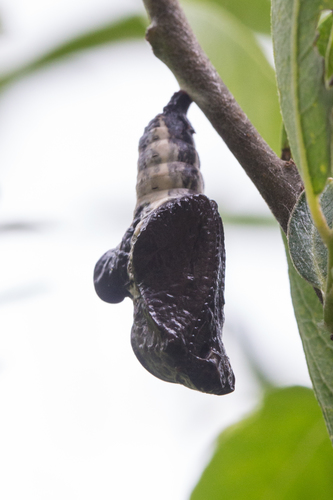
In northern parts they usually have one generation per year from June to August, while in southern California they can have several generations.
Source: Wikipedia
When you see it
Adults are on the wing from April through October, depending on the region.
Source: Wikipedia
Lookalikes
Similar species include the California sister butterfly, Weidemeyer's admiral, and the White admiral.
Source: Wikipedia
Where it is found in the US
Recorded in 13 of 51 states and DC. Most records: California, Oregon, Washington, Idaho, Montana, Nevada, Michigan, South Dakota.
Darker = more records. Counts are museum and citizen-science records, not population size.
Source: GBIF
Status: native in North America; native in Canada; native in United States. Source: iNaturalist
Months it is reported in the US
Source: GBIF
More photos
Questions people ask
When can I see them?
Adults fly from April to October, with the exact timing varying by location.
Source: Wikipedia
What do they look like?
They have dark brown-black wings with a row of white spots and orange tips on the forewings.
Source: Wikipedia
Same family (Nymphalidae)






Sources
- Wikipedia: https://en.wikipedia.org/wiki/Lorquin%27s_admiral
Look it up elsewhere: GBIF · iNaturalist · BugGuide · ITIS · Wikipedia
Text written 2026-10-22 from the sources above and checked sentence by sentence against them. Data fetched 2026-10-22.