 Bug FAQ
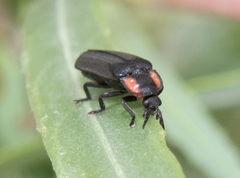
Keel-necked firefly
Pyractomena ecostata · Order: Coleoptera · Family: Lampyridae
Also called: Kell-necked Firefly
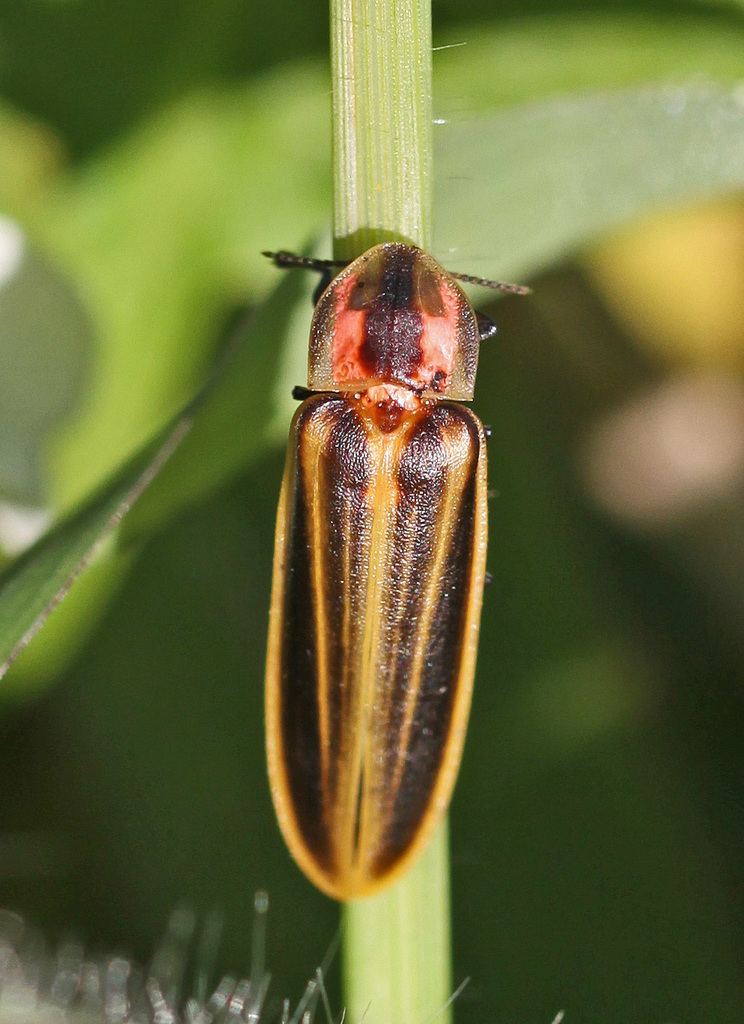
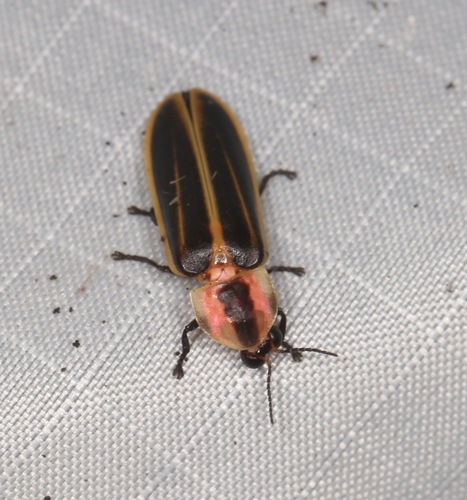
The keel-necked firefly lives only in the United States, with two separate coastal regions to one from Mobile Bay, Alabama through peninsular Florida, and another around Delaware Bay and Cape May, New Jersey. It prefers brackish areas that get some saltwater, such as black-needlerush marshes in Florida and coastal meadows in New Jersey, but it can also be found in wet pastures away from saltwater.
Source: Wikipedia
How to recognize it
It is endemic to the United States and occurs in two widely separated coastal zones: the Mobile Bay-Florida coast and the Delaware Bay-Cape May coast.
Source: Wikipedia
Where it lives
It inhabits brackish habitats with some saltwater intrusion, like black-needlerush marshes, and also wet pastures along highways, showing saltwater is not essential.
Source: Wikipedia
Where it comes from
The species is native to the United States.
Source: Wikipedia
Where it is found in the US
Recorded in 4 of 51 states and DC. Most records: New Jersey, Florida, New York, Maryland.
Darker = more records. Counts are museum and citizen-science records, not population size.
Source: GBIF
Months it is reported in the US
Source: GBIF
More photos
Questions people ask
Where does the keel-necked firefly live?
It is found only in the United States, in two separate coastal areas: from Mobile Bay, Alabama through most of peninsular Florida, and around Delaware Bay and Cape May, New Jersey.
Source: Wikipedia
What kind of habitat does it prefer?
It lives in brackish marshes that receive some saltwater, such as black-needlerush marshes, but it can also be found in wet pastures away from the coast.
Source: Wikipedia
Same family (Lampyridae)


Sources
- Wikipedia: https://en.wikipedia.org/wiki/Pyractomena_ecostata
Look it up elsewhere: GBIF · iNaturalist · BugGuide · ITIS · Wikipedia
Text written 2026-10-29 from the sources above and checked sentence by sentence against them. Data fetched 2026-10-29.