 Bug FAQ
European Glow-worm
Lampyris noctiluca · Order: Coleoptera · Family: Lampyridae
Also called: Common European Glow-worm, Common European Glowworm, Common Glow-worm, Common Glowworm
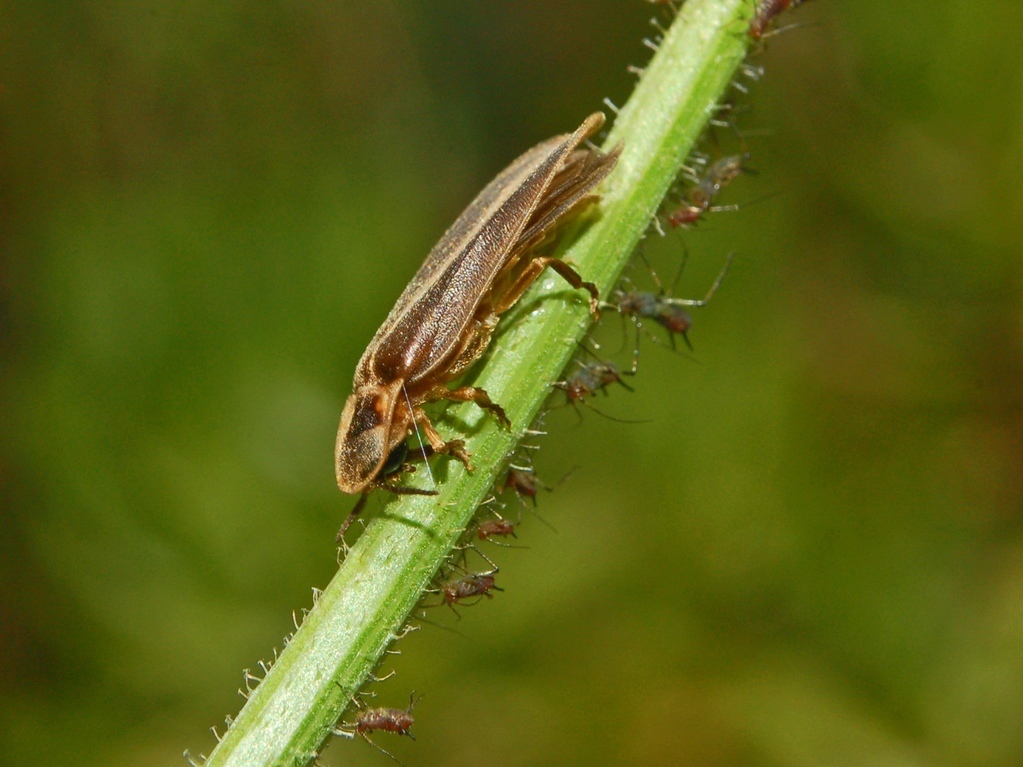
European glow-worms are beetles whose females look like larvae and males have wings. The larvae live underground for two to three years, feeding on slugs and snails, while adults appear in summer and glow for a few hours.
Source: Wikipedia
How to recognize it
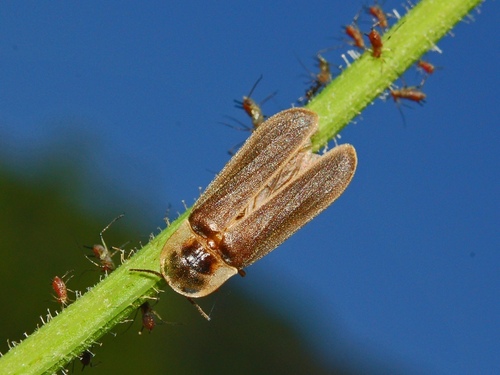
Males have wings, brown wing covers, a clear pronotum and a large brown spot on the back. Females look like larvae, have no wings, and their backs are completely black. Larvae show bright spots on each of their twelve body segments.
Source: Wikipedia
Size
Adult females are 12 to 20 mm long, while males are noticeably smaller.
Source: Wikipedia
Where it lives
They prefer old-growth grasslands on chalk or limestone soils. Larvae hide under rocks and wood but can move across different ground types.
Source: Wikipedia
What it eats
Larvae are predators that eat slugs and snails, injecting them with a brown toxic digestive fluid.
Source: Wikipedia
Life cycle
Eggs hatch after two to three weeks, longer in colder weather. Larvae feed for two to three years before becoming adults.
Source: Wikipedia
When you see it
Larvae are nocturnal and emerge from April to October under suitable conditions. Adults are short-lived, glow for a few hours, and stop glowing after mating.
Source: Wikipedia
Where it comes from
Their range stretches from Portugal and Great Britain eastward across Europe, Africa and Asia to China. They are absent from North and South America, South Asia, Australia and Antarctica.
Source: Wikipedia
Lookalikes
In Britain it is fairly common, unlike its rare cousin the lesser glow-worm (Phosphaenus hemipterus). Despite the name, it is a beetle, not a worm.
Source: Wikipedia
More photos
Same family (Lampyridae)


Sources
- Wikipedia: https://en.wikipedia.org/wiki/Lampyris_noctiluca
Look it up elsewhere: GBIF · iNaturalist · BugGuide · ITIS · Wikipedia
Text written 2026-10-22 from the sources above and checked sentence by sentence against them. Data fetched 2026-10-22.