 Bug FAQ
Homely Geopinus
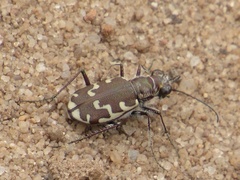
Geopinus incrassatus · Order: Coleoptera · Family: Carabidae
Source: Wikipedia
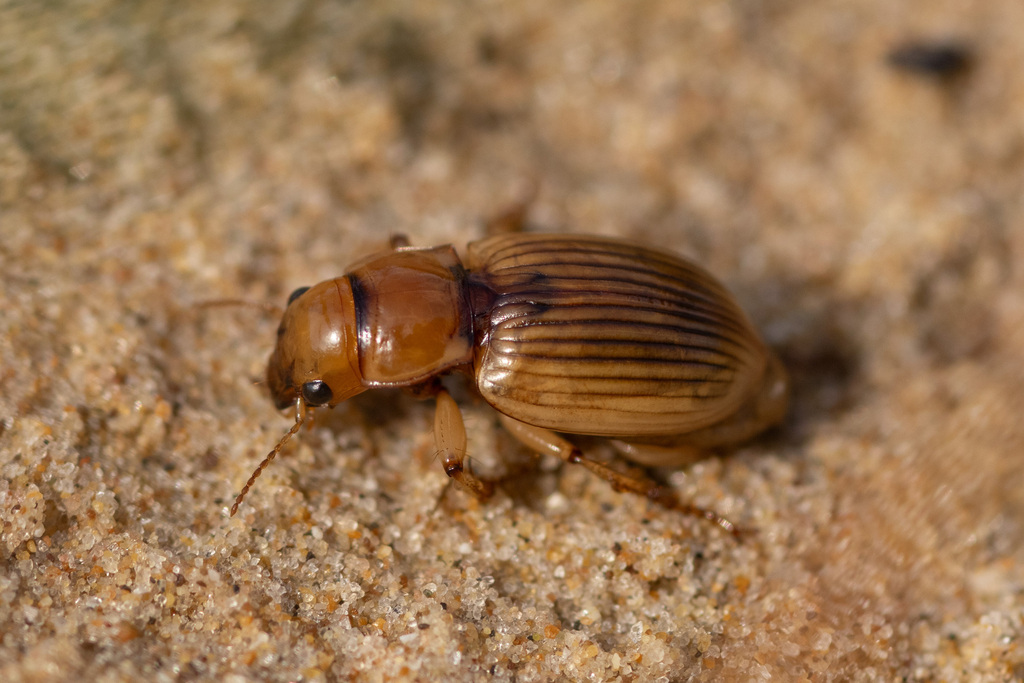
Geopinus incrassatus is the sole species in the genus Geopinus and belongs to the ground- beetle family Carabidae. It is considered a minor pest because it feeds on seedlings in seed beds of several crops such as wheat, cabbage, corn, flax and oats.
Source: Wikipedia
How to recognize it
Geopinus incrassatus is the only species in its genus and is a member of the Carabidae family.
Source: Wikipedia
Is it a pest in the house?
It is sometimes regarded as a minor pest because it damages crop seedlings.
Source: Wikipedia
Where it lives
It is found in agricultural seed beds where it feeds on seedlings.
Source: Wikipedia
What it eats
Its diet includes seedlings of wheat, cabbage, corn, flax and oats.
Source: Wikipedia
Where it is found in the US
Recorded in 31 of 51 states and DC. Most records: Colorado, Utah, Texas, Ohio, Kansas, Oklahoma, New Mexico, Iowa.
Darker = more records. Counts are museum and citizen-science records, not population size.
Source: GBIF
Status: native in North America; native in United States; native in Canada. Source: iNaturalist
Months it is reported in the US
Source: GBIF
More photos
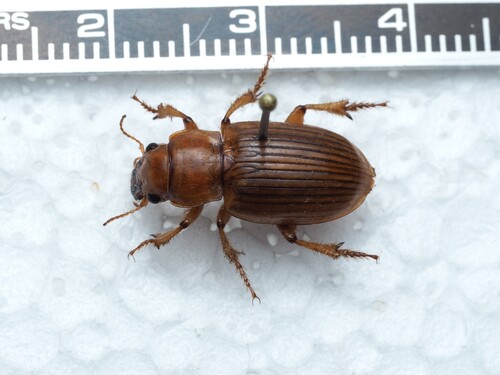
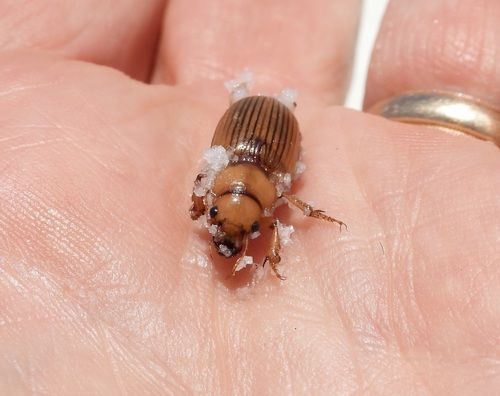
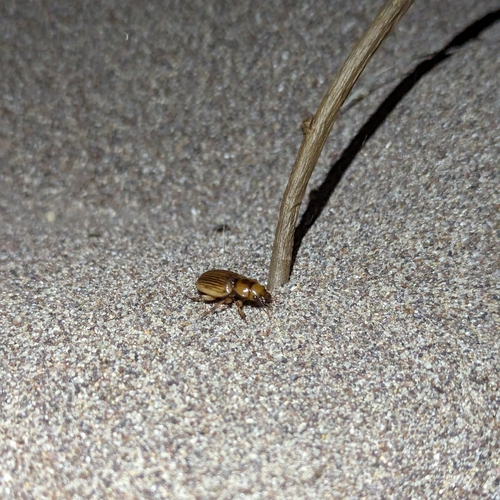
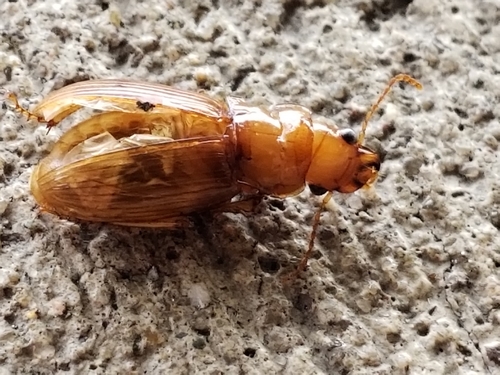
Same family (Carabidae)
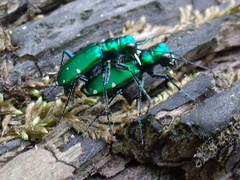

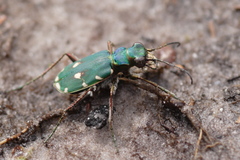

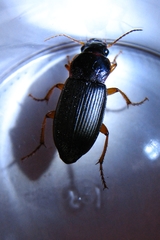
Sources
- Wikipedia: https://en.wikipedia.org/wiki/Geopinus
Look it up elsewhere: GBIF · iNaturalist · BugGuide · ITIS · Wikipedia
Text written 2026-10-25 from the sources above and checked sentence by sentence against them. Data fetched 2026-10-25.