 Bug FAQ
Grayling
Hipparchia semele · Order: Lepidoptera · Family: Nymphalidae
Also called: Common Grayling, The Grayling
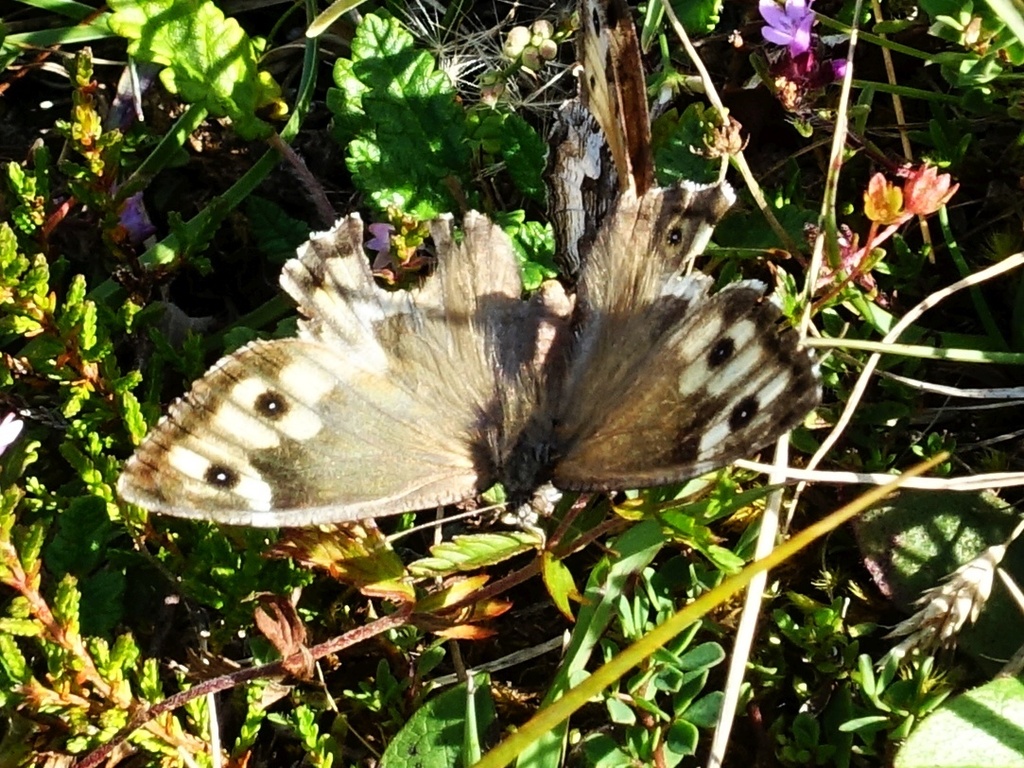
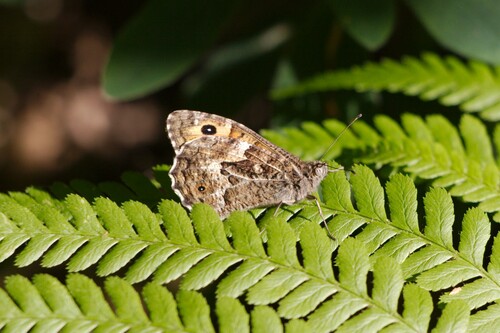
Graylings blend into dry, sunny spots with tan and brown wings that act as camouflage. They hide the eyespots on their wings until a predator is near, then flash them briefly. Adults appear in August and often move in small groups toward the southeast.
Source: Wikipedia
How to recognize it
Their wing colors match the surrounding ground, making them hard to spot. When threatened, they reveal hidden eyespots on the wings.
Source: Wikipedia
Where it lives
They prefer dry, warm places with plenty of sun, such as sand dunes, cliffs, heathlands, limestone pavements, and old quarries.
Source: Wikipedia
What it eats
They are specialist feeders, relying on a limited range of host plants.
Source: Wikipedia
Life cycle
Their life cycle has four stages and produces one generation each year.
Source: Wikipedia
When you see it
Adults emerge around August and may travel in small groups of two or three toward the southeast.
Source: Wikipedia
Where it comes from
Graylings are native to Europe and extend into western Russia. Their numbers are falling in many inland areas.
Source: Wikipedia
More photos
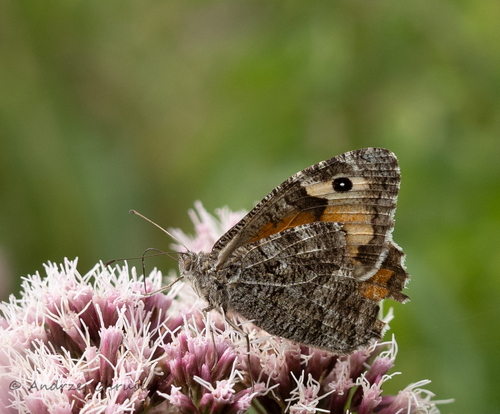
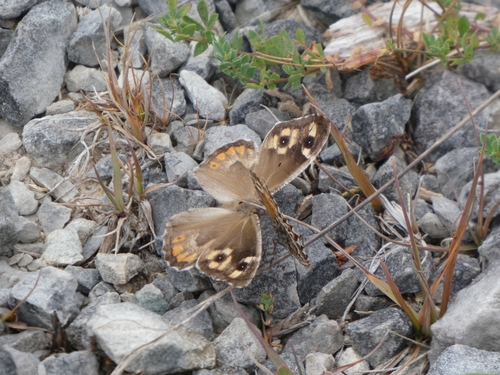
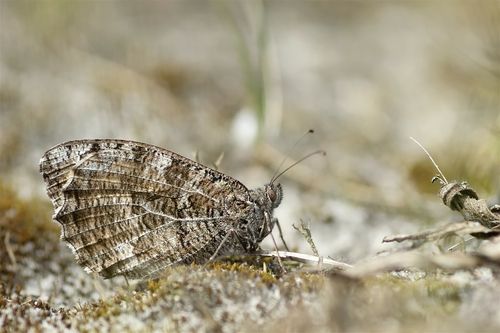
Questions people ask
What habitats do graylings prefer?
They like dry, sunny spots such as sand dunes, cliffs, heathlands, limestone areas, and old quarries.
Source: Wikipedia
Same family (Nymphalidae)






Sources
- Wikipedia: https://en.wikipedia.org/wiki/Grayling_%28butterfly%29
Look it up elsewhere: GBIF · iNaturalist · BugGuide · Wikipedia
Text written 2026-10-22 from the sources above and checked sentence by sentence against them. Data fetched 2026-10-22.