 Bug FAQ
Glover's Silkmoth
Hyalophora gloveri · Order: Lepidoptera · Family: Saturniidae
Also called: Glover's Silk Moth
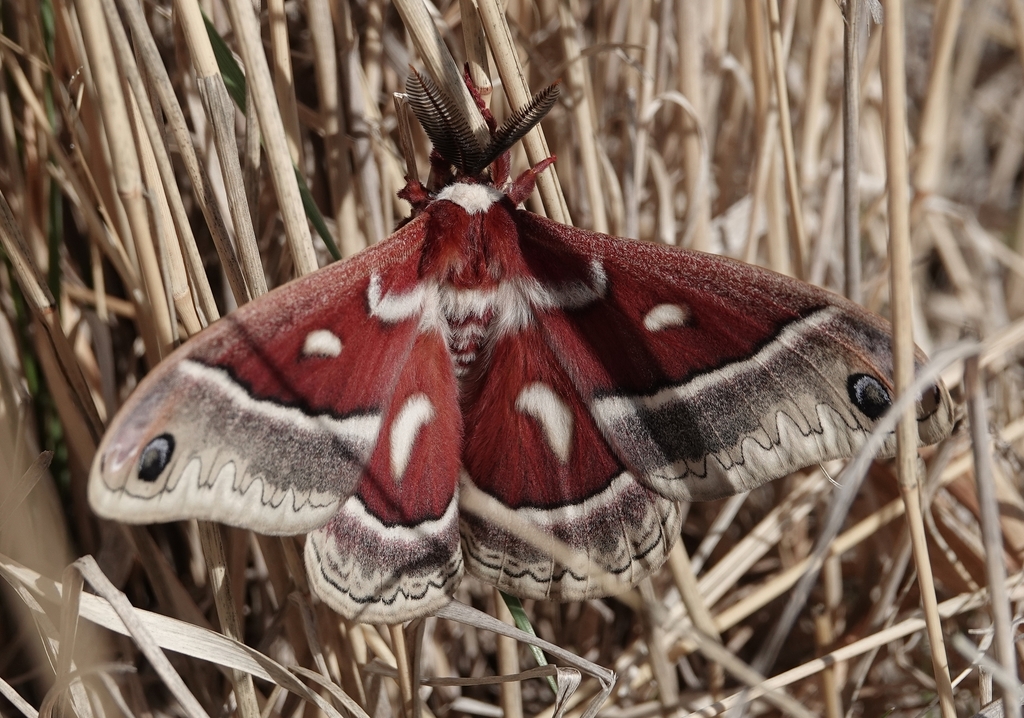
The adult has a wingspan of about 10 cm. It lives in the Rocky Mountains, the western Great Plains, the Canadian prairie provinces up to central Alberta, and northern Mexico. Some experts treat it as a subspecies of Hyalophora columbia.
Source: Wikipedia
Size
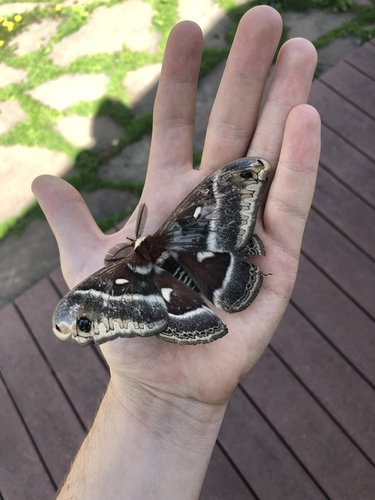
Wingspan is roughly 100 mm.
Source: Wikipedia
Where it lives
Found in Rocky Mountain states, western northern Great Plains, Canadian prairie provinces to central Alberta, and northern Mexico.
Source: Wikipedia
Where it is found in the US
Recorded in 22 of 51 states and DC. Most records: Colorado, Arizona, Utah, New Mexico, Montana, Wyoming, California, Idaho.
Darker = more records. Counts are museum and citizen-science records, not population size.
Source: GBIF
Status: native in North America; native in Canada; native in United States. Source: iNaturalist
Months it is reported in the US
Source: GBIF
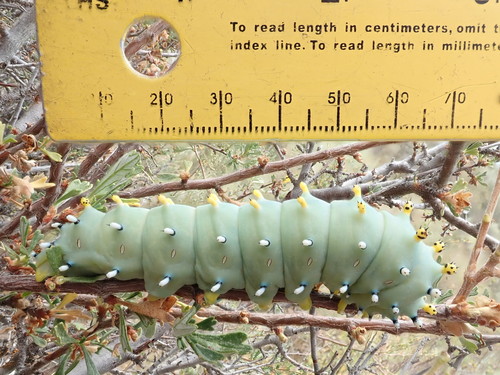
More photos
Questions people ask
Where can I find Glover's Silkmoth?
It occurs in the Rocky Mountain states, the western northern Great Plains, the Canadian prairie provinces up to central Alberta, and northern Mexico.
Source: Wikipedia
Is Glover's Silkmoth similar to any other moth?
Some experts treat it as a subspecies of Hyalophora columbia.
Source: Wikipedia
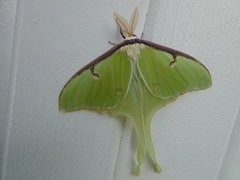
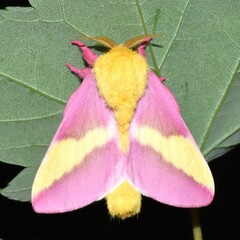
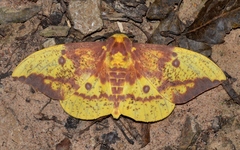
Same family (Saturniidae)


Sources
- Wikipedia: https://en.wikipedia.org/wiki/Hyalophora_gloveri
Look it up elsewhere: GBIF · iNaturalist · BugGuide · Wikipedia
Text written 2026-10-23 from the sources above and checked sentence by sentence against them. Data fetched 2026-10-23.