 Bug FAQ
Giant Honey Bee
Apis dorsata · Order: Hymenoptera · Family: Apidae
Source: Wikipedia
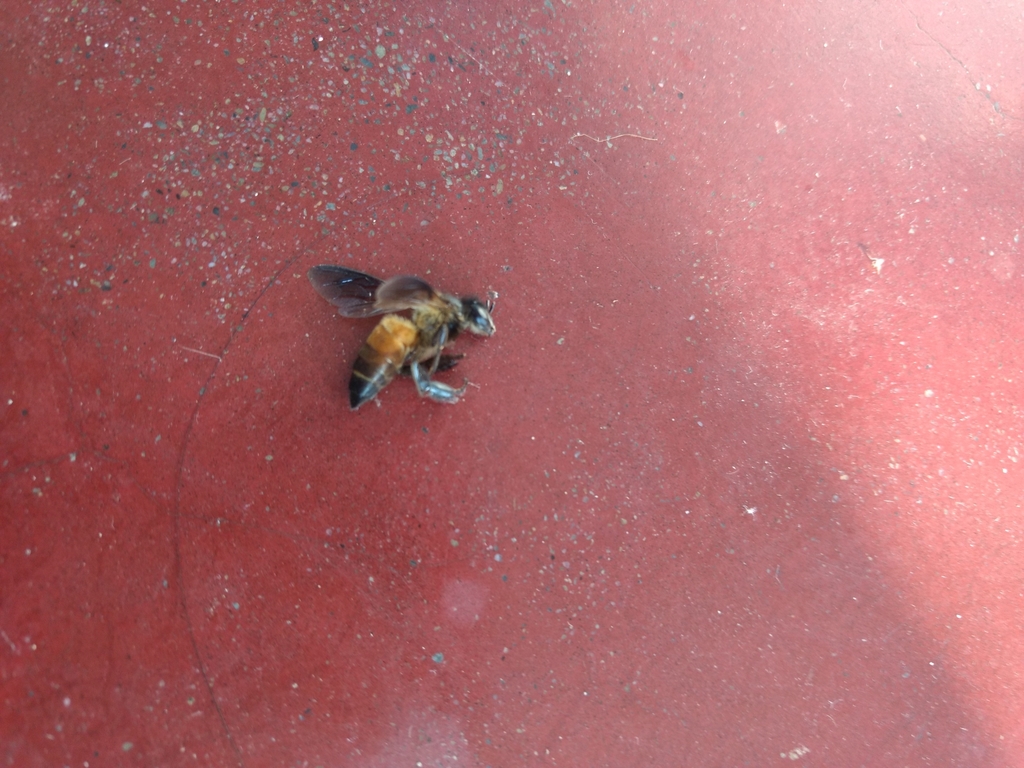
Giant honey bees are about 17 to 20 mm long. They build open, elevated nests on buildings or tall trees across South and Southeast Asia. Colonies may contain up to 100,000 workers, each living less than two months.
Source: Wikipedia
How to recognize it
Their nests are distinct from other Apis species, with hexagonal cells in the comb.
Source: Wikipedia
Size
Adults measure roughly 0.7 to 0.8 in (17 to 20 mm) in length.
Source: Wikipedia
Is it a pest in the house?
These bees are aggressive and can deliver painful stings to humans. At least one fatal defensive sting on a person has been recorded.
Source: Wikipedia
Does it bite or sting?
They are known to be aggressive and can viciously sting humans. A fatal defensive sting on a human has been reported.
Source: Wikipedia
How to get rid of it
Deforestation, urbanization, pesticides, and honey hunting threaten their populations. Colonies often return to the same site, though original workers are usually replaced because they live short lives.
Source: Wikipedia
Where it lives
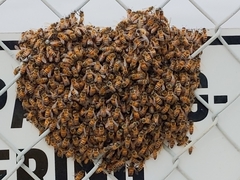
Nests are built in the open on elevated sites such as urban structures or tall trees.
Source: Wikipedia
What it eats
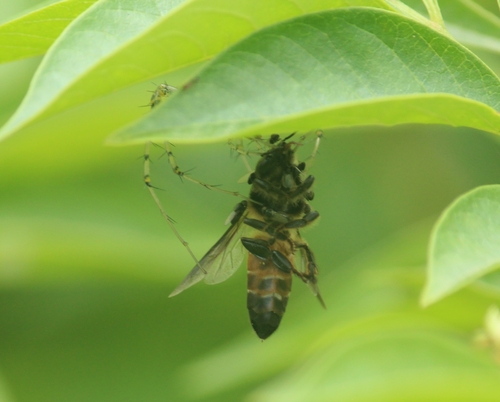
Like other honeybees, they suffer from parasitic mites.
Source: Wikipedia
Life cycle
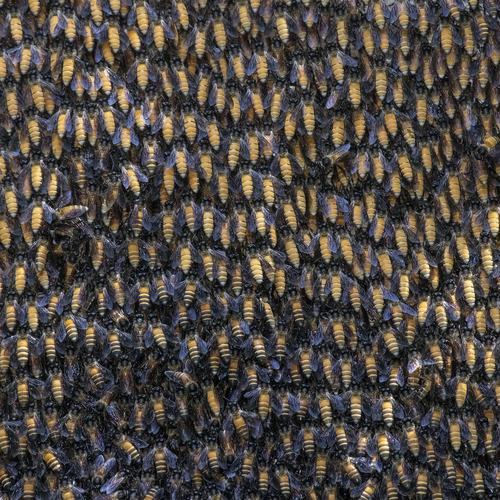
A colony can hold up to 100,000 bees and colonies are spaced only a few centimeters apart. Worker bees usually live less than two months.
Source: Wikipedia
When you see it
Colonies move to new nesting sites when the rainy season ends and decline during rainy and summer periods.
Source: Wikipedia
Where it comes from
They are native to the Indian subcontinent through Southeast Asia.
Source: Wikipedia
Lookalikes
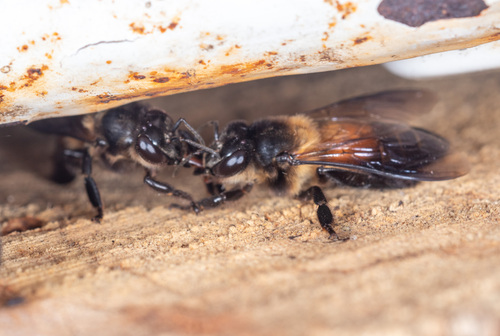
In Bornean rainforests they share canopy tree and bait visits with A. koschevnikovi. Despite overlapping habitats, the two species coexist.
Source: Wikipedia
More photos

Questions people ask
Can giant honey bees sting people?
Yes, they are aggressive and can deliver painful stings, and at least one fatal sting has been reported.
Source: Wikipedia
Where do giant honey bees build their nests?
They construct open nests on elevated sites like tall trees or the sides of buildings.
Source: Wikipedia
What region are giant honey bees native to?
They are found from the Indian subcontinent through Southeast Asia.
Source: Wikipedia
Same family (Apidae)




Sources
- Wikipedia: https://en.wikipedia.org/wiki/Apis_dorsata
Look it up elsewhere: GBIF · iNaturalist · BugGuide · ITIS · Wikipedia
Text written 2026-10-22 from the sources above and checked sentence by sentence against them. Data fetched 2026-10-22.