 Bug FAQ
Giant Hawaiian Darner
Anax strenuus · Order: Odonata · Family: Aeshnidae
Also called: Giant Hawaiian Dragonfly
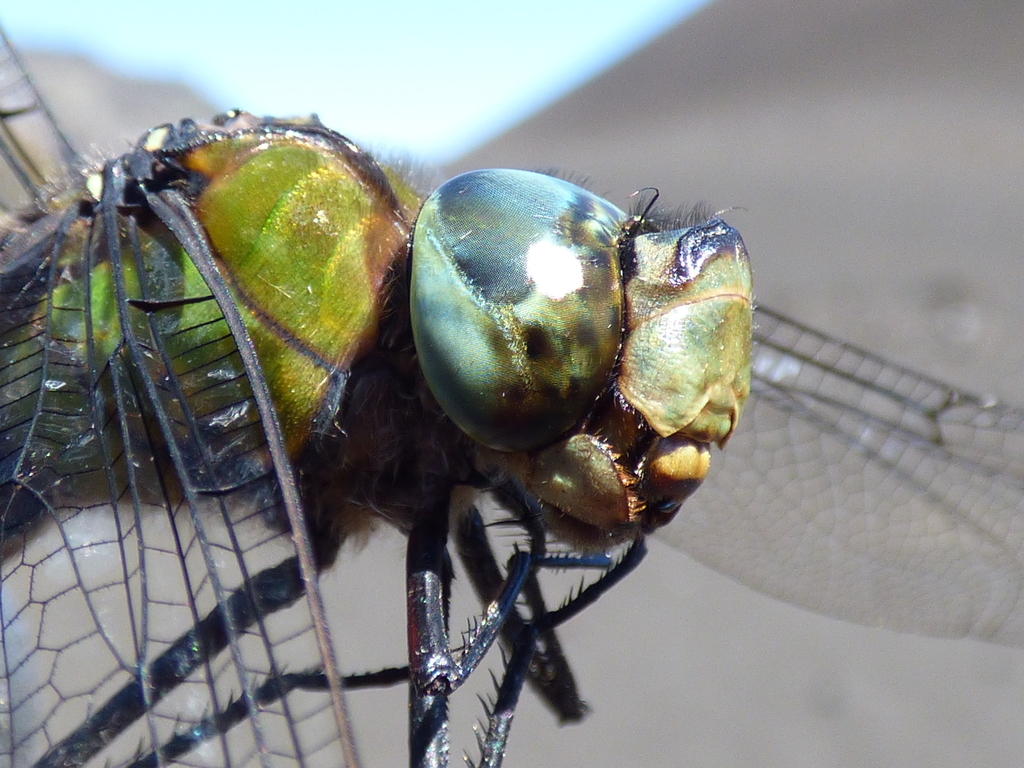
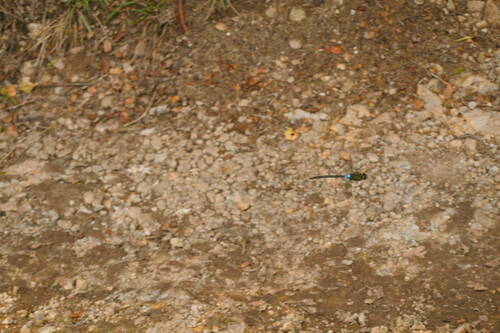
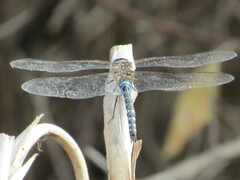
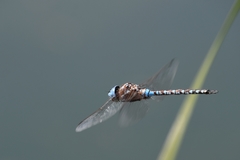
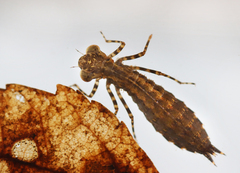
The Giant Hawaiian darner has a wingspan of about 127 to 143 mm and can reach up to 152 mm. It lives near streams and wetlands on every Hawaiian island and is especially common at higher elevations. It is one of only two dragonfly species that are endemic to the Hawaiian Islands.
Source: Wikipedia
How to recognize it
The green darner (A. junius) is the only similar-looking Anax in Hawaii and can be told apart by its smaller size and lowland habitat.
Source: Wikipedia
Size
Its wingspan typically measures 127 to 143 mm, with verified individuals up to 152 mm.
Source: Wikipedia
Where it lives
You’ll find it near streams and wetlands across all the islands, preferring higher elevations.
Source: Wikipedia
Where it comes from
The species is endemic to Hawaii, being one of only two native dragonflies there.
Source: Wikipedia
Lookalikes
The only other Anax species in Hawaii is the green darner, which is much smaller and lives mainly in lowland areas.
Source: Wikipedia
Where it is found in the US
Recorded in 1 of 51 states and DC. Most records: Hawaii.
Darker = more records. Counts are museum and citizen-science records, not population size.
Source: GBIF
Status: endemic in United States. Source: iNaturalist
Months it is reported in the US
Source: GBIF
More photos
Questions people ask
How can I tell the Giant Hawaiian darner apart from other dragonflies?
The only similar Anax species in Hawaii is the green darner, which is considerably smaller and lives in lowland wetlands, whereas the Giant Hawaiian darner is larger and common at higher elevations.
Source: Wikipedia
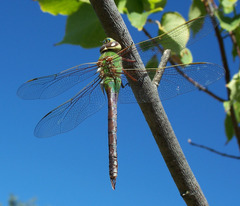
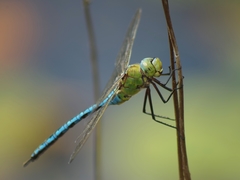
Same family (Aeshnidae)
Sources
- Wikipedia: https://en.wikipedia.org/wiki/Giant_Hawaiian_darner
Look it up elsewhere: GBIF · iNaturalist · BugGuide · ITIS · Wikipedia
Text written 2026-10-27 from the sources above and checked sentence by sentence against them. Data fetched 2026-10-27.