 Bug FAQ
Four-spotted Skimmer
Libellula quadrimaculata · Order: Odonata · Family: Libellulidae
Also called: Four-spot Skimmer, four-spot pond skimmer
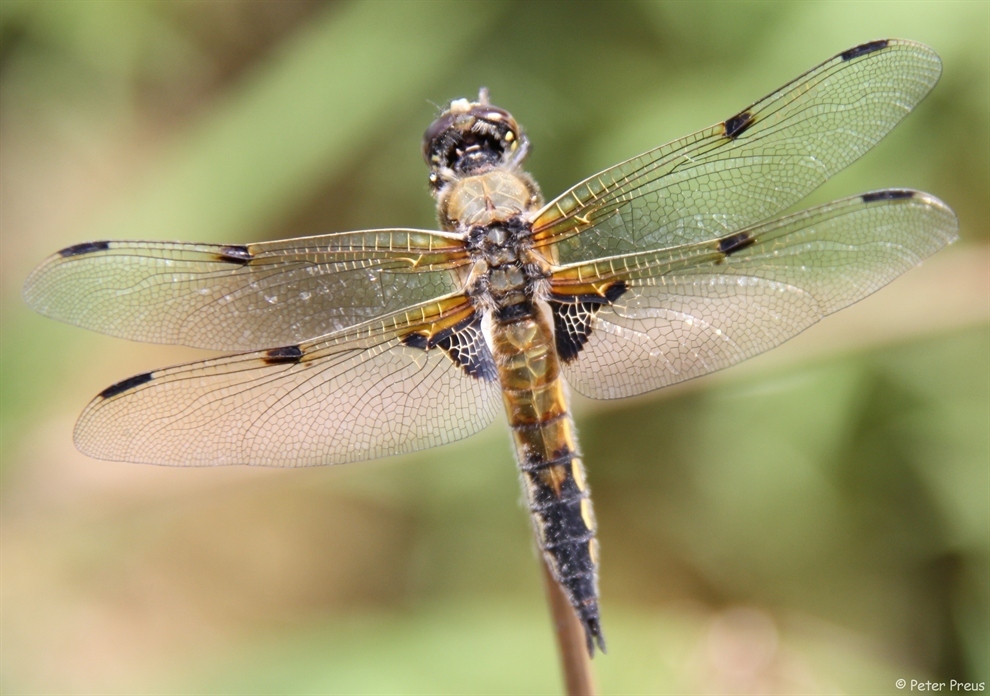
The four-spotted skimmer is a brown dragonfly with four distinctive wing spots, found near ponds, vernal pools and slow rivers, especially in June and July. Adults eat mosquitoes, gnats and midges, while the larvae develop for two years and eat other aquatic insects and tadpoles.
Source: Wikipedia
How to recognize it
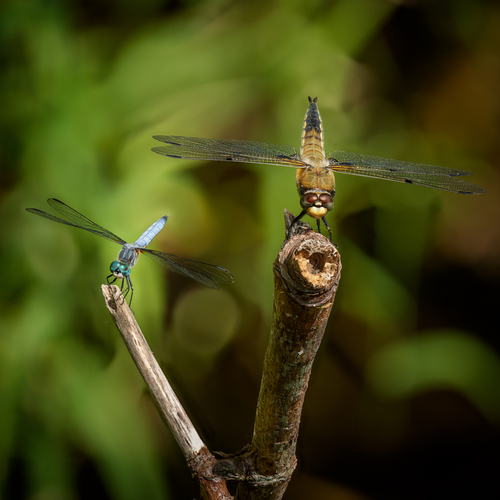
It is brown and has four spots on its wings, making it easy to recognise.
Source: Wikipedia
What it eats
Adult skimmers feed mainly on mosquitoes, gnats and midges; the larvae eat other aquatic insect larvae and tadpoles.
Source: Wikipedia
Life cycle
The larval stage lasts about two years before becoming an adult.
Source: Wikipedia
Where it comes from
It occurs widely across Europe, Asia and North America.
Source: Wikipedia
Lookalikes
It can be confused with other chaser dragonflies.
Source: Wikipedia
Where it is found in the US
Recorded in 34 of 51 states and DC. Most records: Minnesota, California, Michigan, Oregon, Wisconsin, Colorado, Washington, Maine.
Darker = more records. Counts are museum and citizen-science records, not population size.
Source: GBIF
Status: native in North America; native in United States; native in Canada. Source: iNaturalist
Months it is reported in the US
Source: GBIF
More photos
Questions people ask
Where can I find them?
Look near ponds, vernal pools and slow-moving rivers, especially in June and July.
Source: Wikipedia
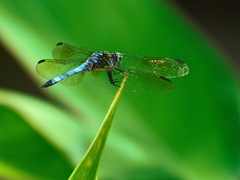
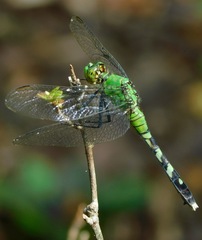
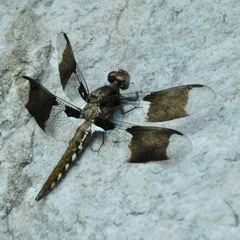
Same family (Libellulidae)

Sources
- Wikipedia: https://en.wikipedia.org/wiki/Four-spotted_chaser
Look it up elsewhere: GBIF · iNaturalist · BugGuide · ITIS · Wikipedia
Text written 2026-10-22 from the sources above and checked sentence by sentence against them. Data fetched 2026-10-22.