 Bug FAQ
Autumn Meadowhawk
Sympetrum vicinum · Order: Odonata · Family: Libellulidae
Also called: Yellow-legged Meadowhawk
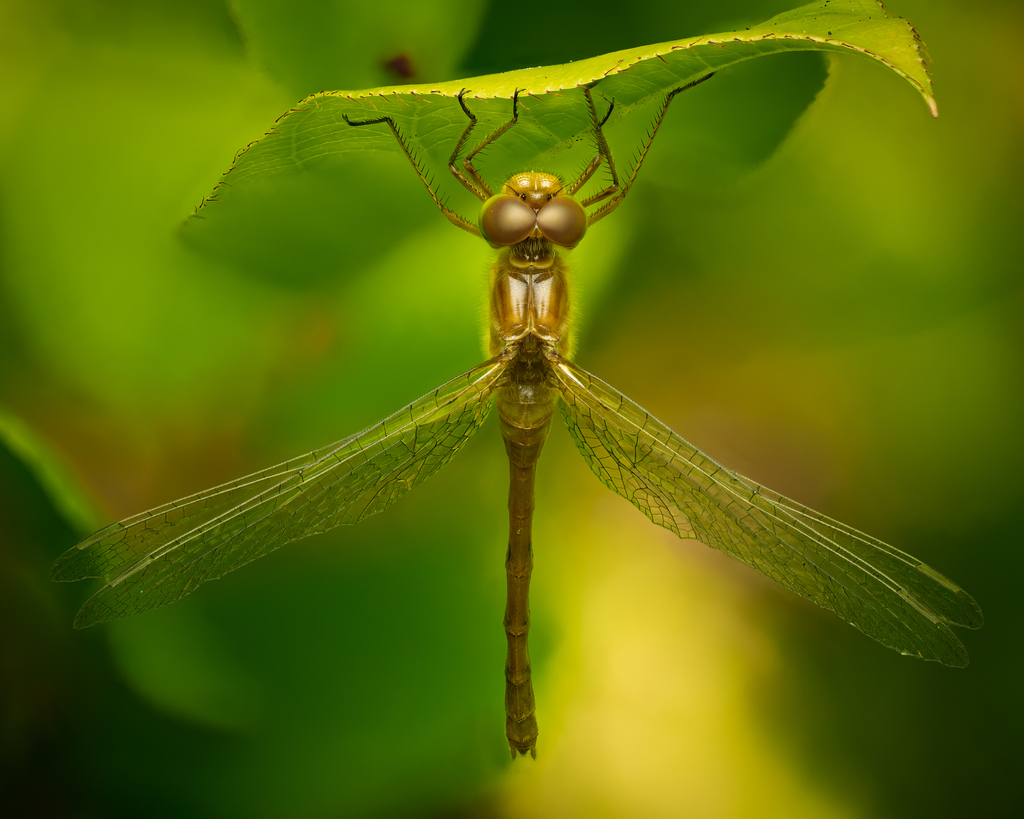
The Autumn Meadowhawk is a small dragonfly about 26 to 35 mm long. Adults are seen from early August through October, especially late July to early November. It lives near marshes, ponds and slow streams across much of North America.
Source: Wikipedia
How to recognize it
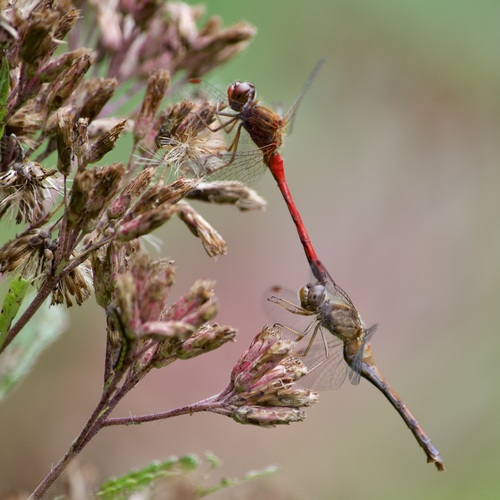
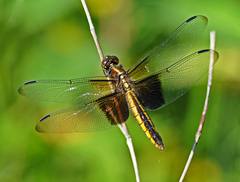
The hindwings have a small yellow-orange cloud at the base, while the rest of the wing is clear. Mature males have a brown-black face and thorax with a red abdomen; younger males are yellow-thoraced with a yellow-brown abdomen.
Source: Wikipedia
Size
Body length ranges from 26 to 35 mm. Another source gives a length of 30 to 35 mm.
Source: Wikipedia
Where it lives
Found around marshes, ponds and slow-moving streams.
Source: Wikipedia
Life cycle
Naiads live among lake and pond bottom debris. They emerge from the water at night to become adults.
Source: Wikipedia
When you see it
Adults are on the wing from early August through October. Their activity period spans late July to early November.
Source: Wikipedia
Where it is found in the US
Recorded in 44 of 51 states and DC. Most records: Ohio, Massachusetts, Michigan, Minnesota, New York, New Jersey, Vermont, Wisconsin.
Darker = more records. Counts are museum and citizen-science records, not population size.
Source: GBIF
Status: native in North America; native in United States; native in Canada. Source: iNaturalist
Months it is reported in the US
Source: GBIF
More photos
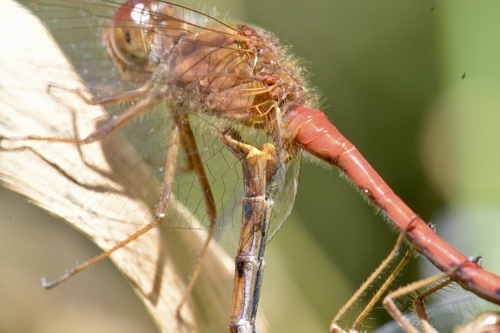
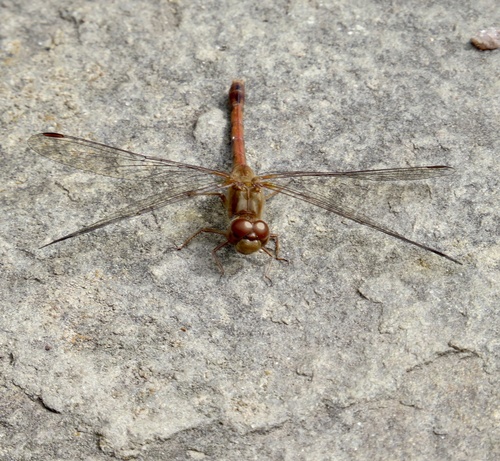
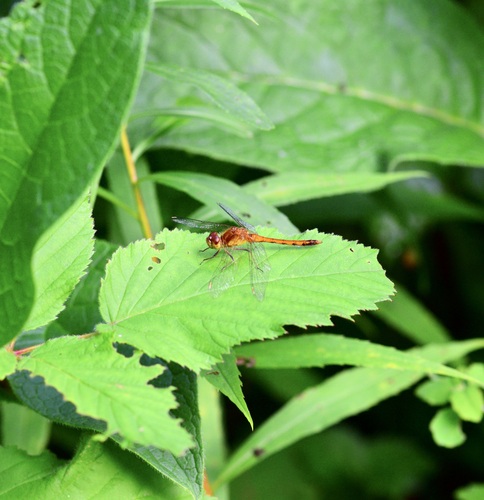
Questions people ask
What do they eat?
Adults catch soft-bodied flying insects, while the aquatic nymphs eat mosquito larvae and other small aquatic insects.
Source: Wikipedia
When can I see them?
They are active from late July or early August through October, depending on the region.
Source: Wikipedia
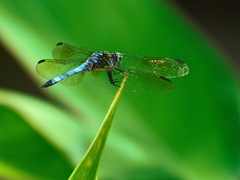
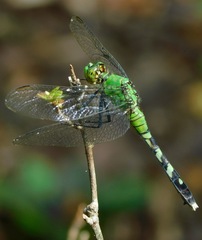
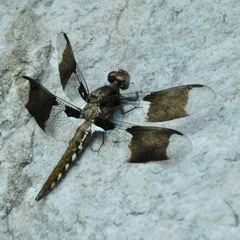
Same family (Libellulidae)


Sources
- Wikipedia: https://en.wikipedia.org/wiki/Sympetrum_vicinum
Look it up elsewhere: GBIF · iNaturalist · BugGuide · ITIS · Wikipedia
Text written 2026-10-22 from the sources above and checked sentence by sentence against them. Data fetched 2026-10-22.