 Bug FAQ
Eutreta diana
Eutreta diana · Order: Diptera · Family: Tephritidae
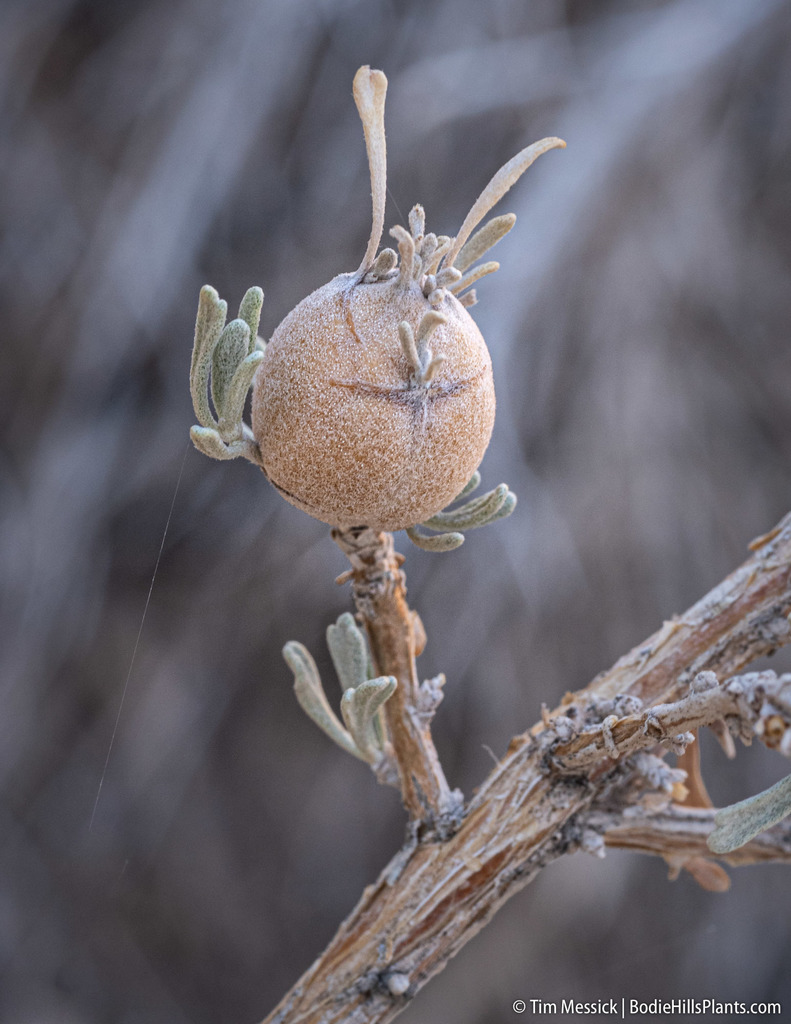
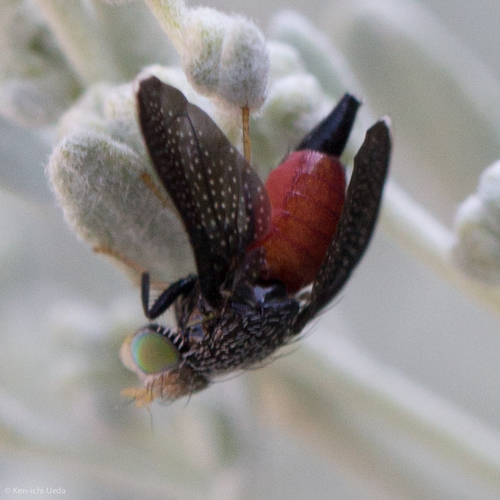
Adults have pale green eyes, black wings with white dots, and bright red abdomens. Females lay eggs in sagebrush buds, and the larvae form woody galls that they feed on inside. There is one generation each year, with gall growth in spring when sagebrush is growing.
Source: Wikipedia
How to recognize it
Adults show pale green eyes, black wings dotted with white, and bright red abdomens.
Source: Wikipedia
Where it lives
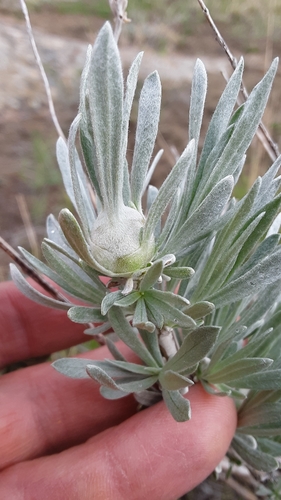
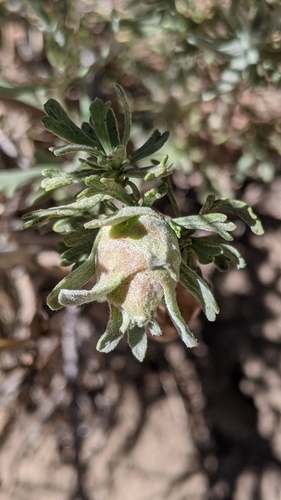
Females lay eggs in the vegetative buds of several sagebrush species in western North America.
Source: Wikipedia
What it eats
Larvae induce woody galls near where the eggs were laid and feed on the plant tissue inside the gall.
Source: Wikipedia
Life cycle
The species produces one generation per year.
Source: Wikipedia
When you see it
Gall growth coincides with the spring growth period of sagebrush.
Source: Wikipedia
Where it comes from
It is native to Canada and the United States.
Source: Wikipedia
Where it is found in the US
Recorded in 12 of 51 states and DC. Most records: California, New Mexico, Washington, Utah, Nevada, Oregon, Wyoming, Montana.
Darker = more records. Counts are museum and citizen-science records, not population size.
Source: GBIF
Status: native in North America; native in Canada. Source: iNaturalist
Months it is reported in the US
Source: GBIF
More photos

Questions people ask
What plants do the larvae affect?
The larvae form woody galls on sagebrush buds and feed inside those galls.
Source: Wikipedia
When are the galls formed?
Galls develop in spring, matching the seasonal growth of sagebrush.
Source: Wikipedia
Same family (Tephritidae)
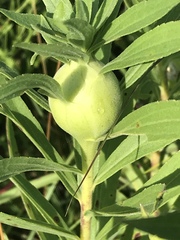 Goldenrod Gall FlyEurosta solidaginis
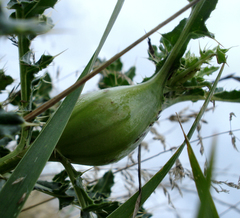 Thistle Stem Gall FlyUrophora cardui
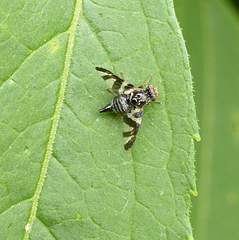 Goldenrod Brussels Sprout Gall FlyProcecidochares atra
 Mediterranean Fruit FlyCeratitis capitataDamages trees, gardens or crops
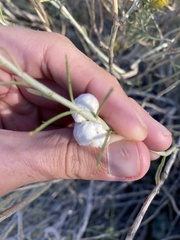 Cotton-gall TephritidAciurina bigeloviae
 Oriental Fruit FlyBactrocera dorsalisDamages trees, gardens or crops
Sources
- Wikipedia: https://en.wikipedia.org/wiki/Eutreta_diana
Look it up elsewhere: GBIF · iNaturalist · BugGuide · ITIS · Wikipedia
Text written 2026-10-26 from the sources above and checked sentence by sentence against them. Data fetched 2026-10-26.