 Bug FAQ
Dot-winged Baskettail
Epitheca petechialis · Order: Odonata · Family: Corduliidae
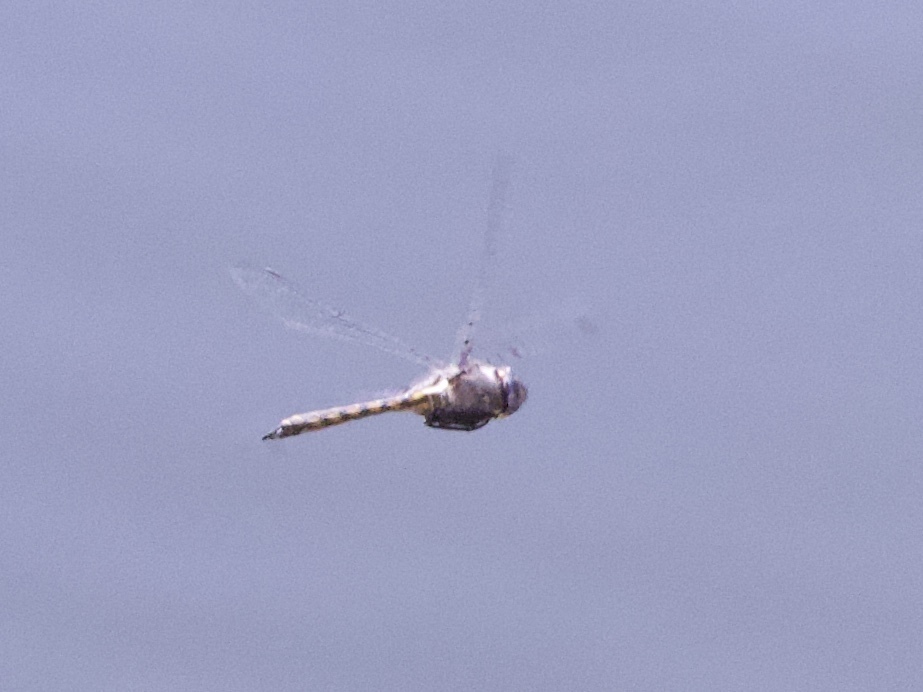
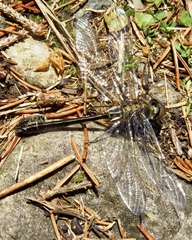
The dot-winged baskettail is a dragonfly in the family Corduliidae. It flies from January through July, a bit later than other baskettails. Spotted hindwings make it easy to identify; without spots it looks like other Epitheca species.
Source: Wikipedia
How to recognize it
Specimens with characteristic spots on the hindwing are easy to identify. Individuals lacking those spots are hard to tell apart from other species in the genus.
Source: Wikipedia
Where it lives
It belongs to the dragonfly family Corduliidae.
Source: Wikipedia
When you see it
Its flight season runs from January to July, slightly later than other baskettails.
Source: Wikipedia
Where it comes from
It is a North American species in the family Corduliidae.
Source: Wikipedia
Lookalikes
Without the hindwing spots, it can be confused with other Epitheca species.
Source: Wikipedia
Where it is found in the US
Recorded in 9 of 51 states and DC. Most records: Texas, Colorado, Oklahoma, New Mexico, Nebraska, Wyoming, Kansas, South Dakota.
Darker = more records. Counts are museum and citizen-science records, not population size.
Source: GBIF
Months it is reported in the US
Source: GBIF
More photos
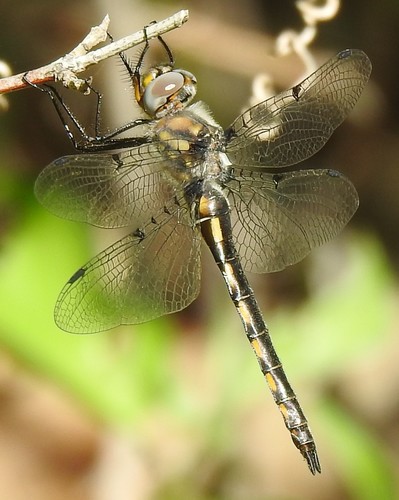
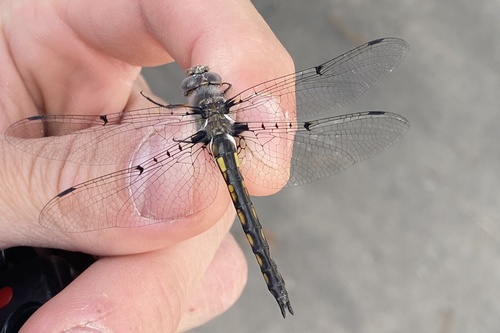
Same family (Corduliidae)
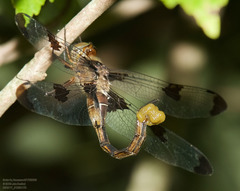

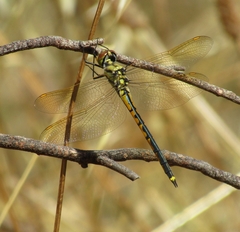

Sources
- Wikipedia: https://en.wikipedia.org/wiki/Dot-winged_baskettail
Look it up elsewhere: GBIF · iNaturalist · BugGuide · ITIS · Wikipedia
Text written 2026-10-23 from the sources above and checked sentence by sentence against them. Data fetched 2026-10-23.