 Bug FAQ
Doris' Pinemoth
Coloradia doris · Order: Lepidoptera · Family: Saturniidae
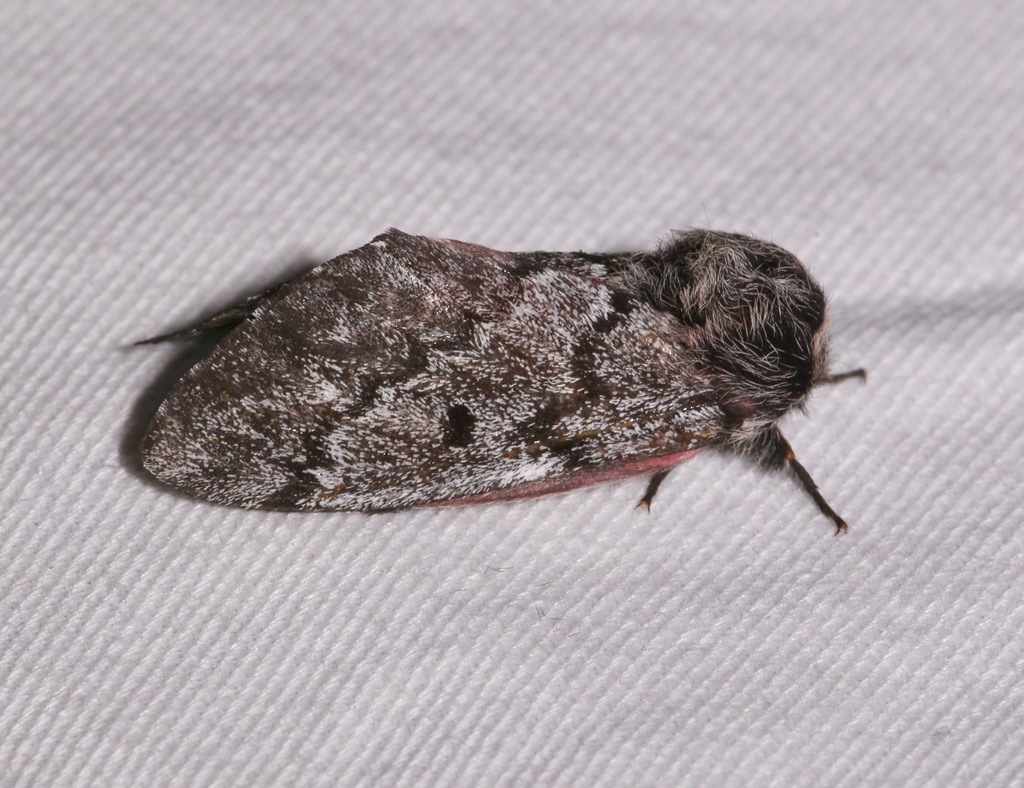
Doris' pinemoth lives in North America. Its larvae feed on ponderosa pine and the adults are found on lodgepole pine and single-needle pine. The species spends the winter as a pupa and the adults emerge in spring and summer.
Source: Wikipedia
Where it lives
It is found in North America.
Source: Wikipedia
What it eats
Larvae have been recorded on ponderosa pine. Adults have been recorded on lodgepole pine and single-needle pine.
Source: Wikipedia
Where it comes from
It occurs in North America.
Source: Wikipedia
Where it is found in the US
Recorded in 12 of 51 states and DC. Most records: Montana, Colorado, New Mexico, Arizona, Wyoming, South Dakota, Nevada, Utah.
Darker = more records. Counts are museum and citizen-science records, not population size.
Source: GBIF
Status: native in North America; native in United States. Source: iNaturalist
Months it is reported in the US
Source: GBIF
More photos
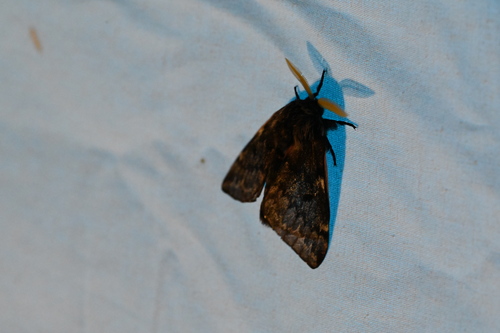
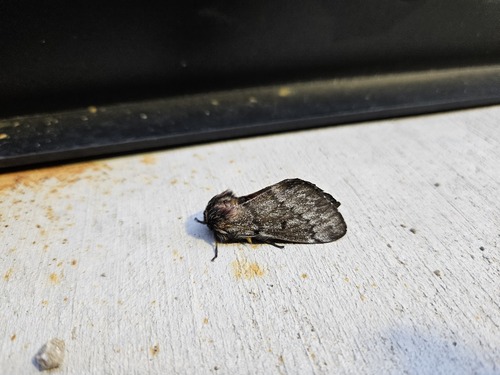
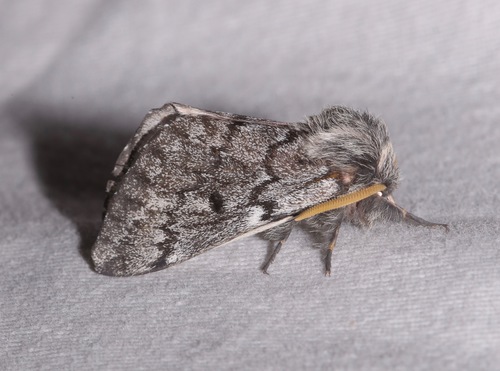
Questions people ask
What trees does Doris' pinemoth use?
The larvae feed on ponderosa pine, while adults are found on lodgepole pine and single-needle pine.
Source: Wikipedia
When do the adults appear?
Adults emerge in spring and summer after overwintering as pupae.
Source: Wikipedia
Same family (Saturniidae)


Sources
- Wikipedia: https://en.wikipedia.org/wiki/Coloradia_doris
Look it up elsewhere: GBIF · iNaturalist · BugGuide · ITIS · Wikipedia
Text written 2026-10-26 from the sources above and checked sentence by sentence against them. Data fetched 2026-10-26.