 Bug FAQ
Diplolepis spinosa
Diplolepis spinosa · Order: Hymenoptera · Family: Cynipidae
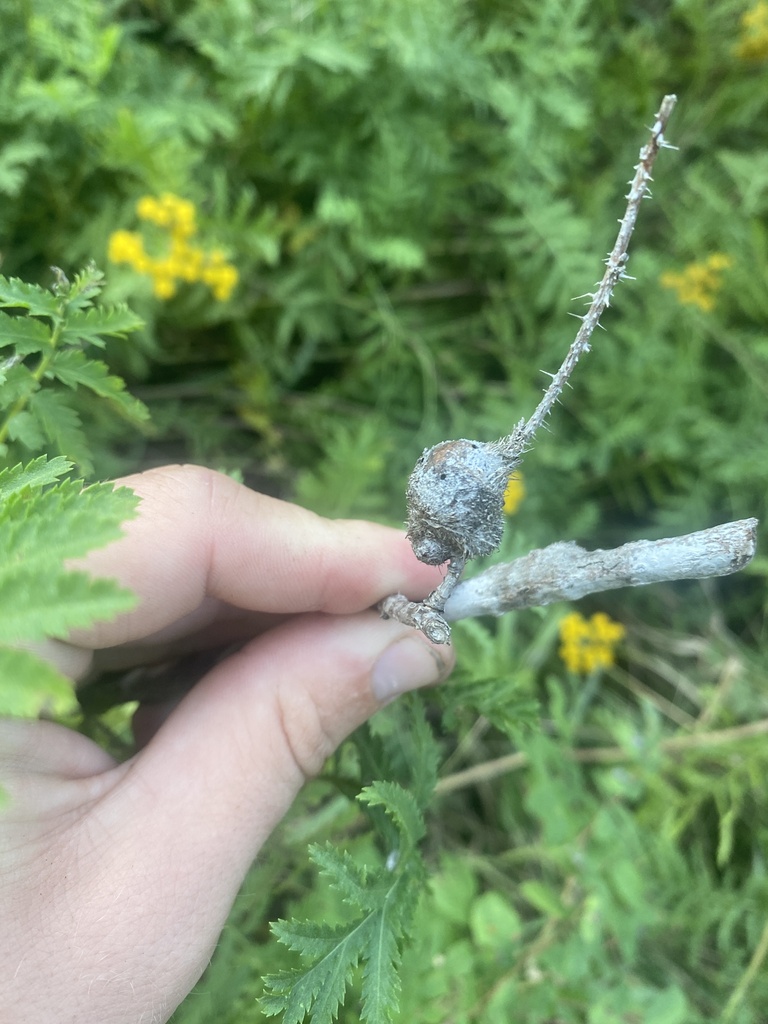
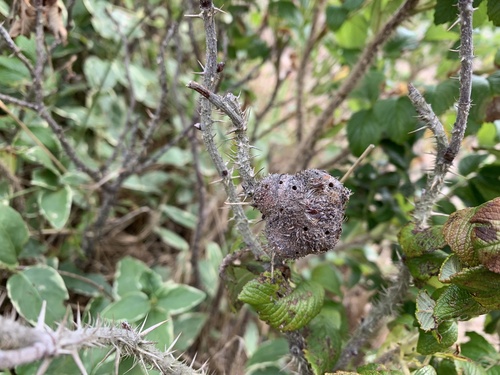
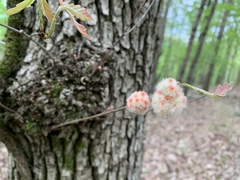
Diplolepis spinosa makes very noticeable galls on wild roses in North America. The insect’s larvae cause the galls, which are a common sight in grassland areas.
Source: Wikipedia
How to recognize it
The galls produced by D. spinosa are among the most conspicuous in grassland habitats.
Source: Wikipedia
Is it a pest in the house?
It is noted for creating galls on wild roses, not for damaging homes or stored goods.
Source: Wikipedia
Where it lives
It lives where wild roses grow, especially in North American grasslands.
Source: Wikipedia
What it eats
The species induces galls on wild roses, using the plant tissue for its larvae.
Source: Wikipedia
Life cycle
Its life cycle includes forming prominent galls on wild roses in grassland areas.
Source: Wikipedia
Where it is found in the US
Recorded in 24 of 51 states and DC. Most records: Massachusetts, Minnesota, Maine, Colorado, California, Rhode Island, Washington, Illinois.
Darker = more records. Counts are museum and citizen-science records, not population size.
Source: GBIF
Status: native in North America; native in United States; native in Canada. Source: iNaturalist
Months it is reported in the US
Source: GBIF
More photos
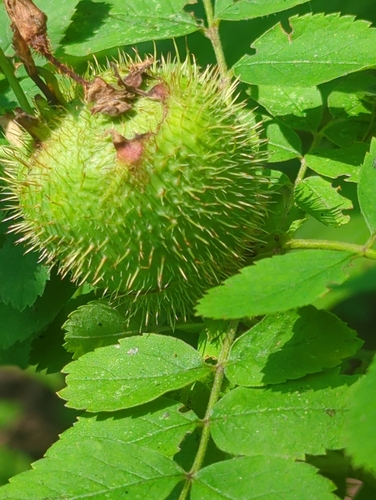
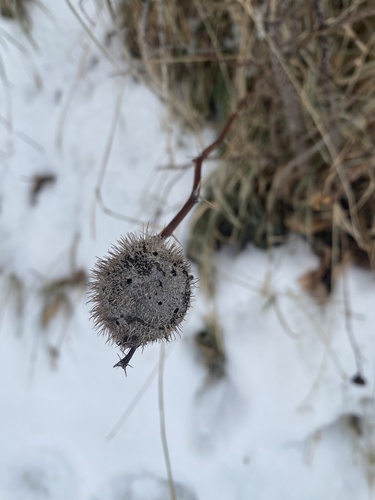
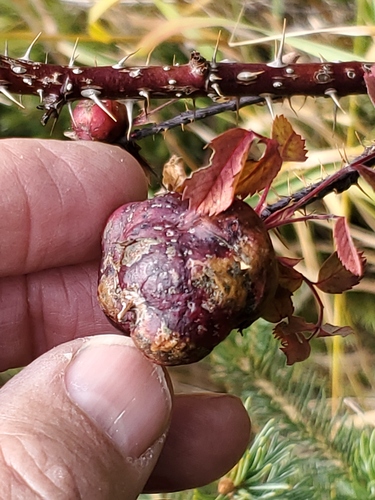
Same family (Cynipidae)
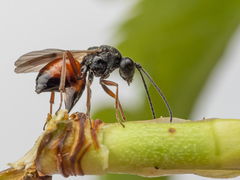
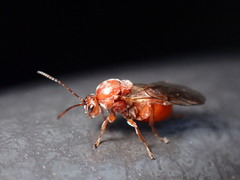
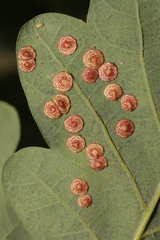


Sources
- Wikipedia: https://en.wikipedia.org/wiki/Diplolepis_spinosa
Look it up elsewhere: GBIF · iNaturalist · BugGuide · Wikipedia
Text written 2026-10-23 from the sources above and checked sentence by sentence against them. Data fetched 2026-10-22.