 Bug FAQ
Dilophus orbatus
Dilophus orbatus · Order: Diptera · Family: Bibionidae
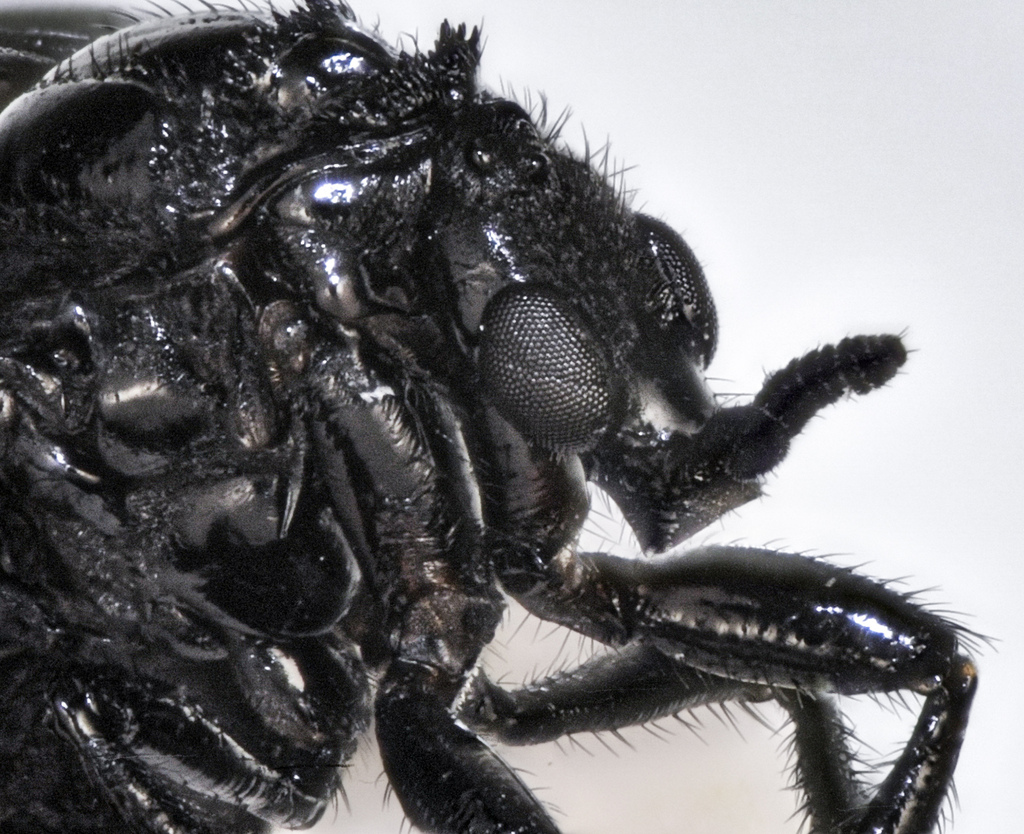
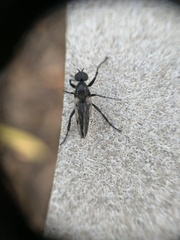
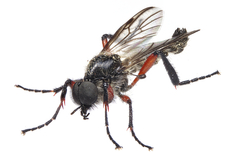
Female Dilophus orbatus are longer than males, while males are the shorter sex. Females have black, longer wings and males have clear, shorter wings. Males possess very large eyes that dominate the face, whereas females have smaller eyes.
Source: Wikipedia
How to recognize it
Female wings are black and longer; male wings are transparent and shorter. Male eyes are huge, almost appearing fused and take up most of the face; female eyes are smaller.
Source: Wikipedia
Size
Females are longer than males.
Source: Wikipedia
Where it is found in the US
Recorded in 18 of 51 states and DC. Most records: California, Florida, Texas, Louisiana, South Carolina, Georgia, Alabama, North Carolina.
Darker = more records. Counts are museum and citizen-science records, not population size.
Source: GBIF
Status: native in North America; native in United States. Source: iNaturalist
Months it is reported in the US
Source: GBIF
More photos

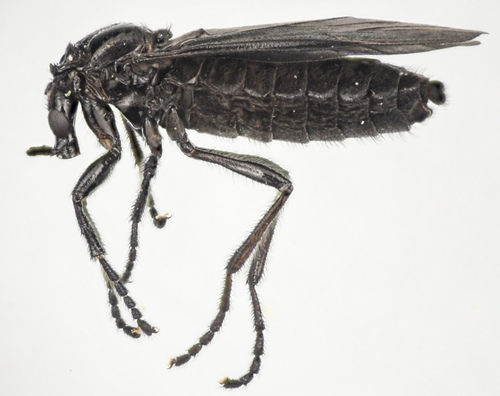
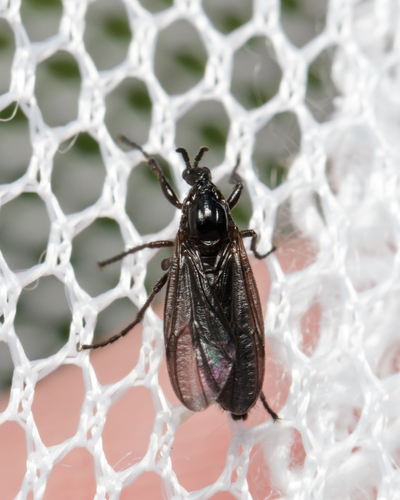
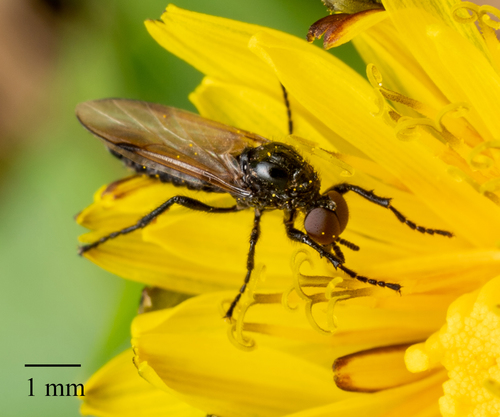
Same family (Bibionidae)




Sources
- Wikipedia: https://en.wikipedia.org/wiki/Dilophus_orbatus
Look it up elsewhere: GBIF · iNaturalist · BugGuide · ITIS · Wikipedia
Text written 2026-10-24 from the sources above and checked sentence by sentence against them. Data fetched 2026-10-24.