 Bug FAQ
Dancing Dropwing
Trithemis pallidinervis · Order: Odonata · Family: Libellulidae
Also called: Long Legged Marsh Glidder, Long-legged Marsh Glider

Males have a yellow or pale brown face with an iridescent purple patch on the top and a bright yellow abdomen marked with black stripes. It lives around marshes, weedy ponds and lakes, perching on tall aquatic weeds or bare shrub ends.
Source: Wikipedia
How to recognize it
Male faces are yellow or pale brown in front with a purple iridescent area above, and the abdomen is bright yellow with black median and lateral stripes.
Source: Wikipedia
Where it lives
Often perches on tall aquatic weeds or the bare ends of shrubs.
Source: Wikipedia
Where it comes from
The species occurs in Asia.
Source: Wikipedia
Lookalikes
Males can be told from females by a projection on segment two and a purple frons on the face.
Source: Wikipedia
More photos
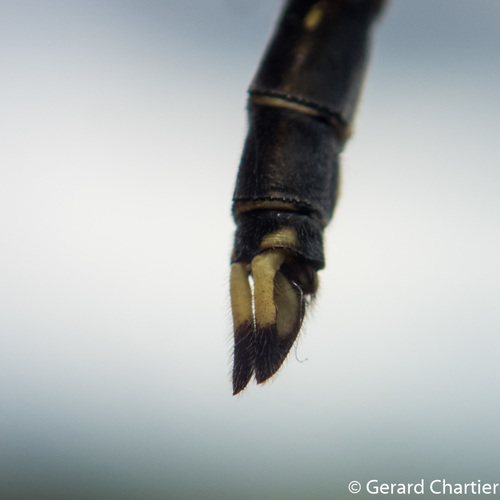
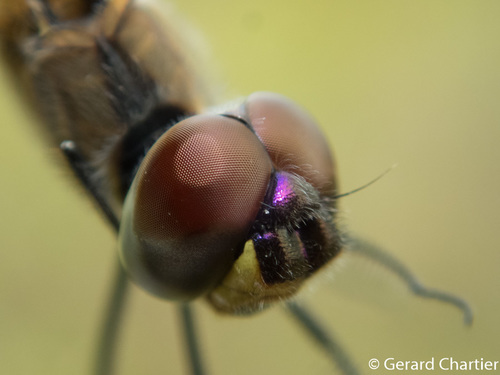

Questions people ask
How can I identify a dancing dropwing?
Look for a medium-sized dragonfly with long legs, a yellowish-brown body, a male’s yellow face with a purple patch on top, and a bright yellow abdomen with black stripes.
Source: Wikipedia
Where is the dancing dropwing usually found?
It lives around marshes, weedy ponds and lakes, often perched on tall aquatic weeds or bare shrub ends.
Source: Wikipedia
How do I tell male and female dancing dropwings apart?
Males have a projection on segment two and a purple frons on the face, which females lack.
Source: Wikipedia
Same family (Libellulidae)

Sources
- Wikipedia: https://en.wikipedia.org/wiki/Long-legged_marsh_glider
Look it up elsewhere: GBIF · iNaturalist · BugGuide · Wikipedia
Text written 2026-10-22 from the sources above and checked sentence by sentence against them. Data fetched 2026-10-22.