 Bug FAQ
Ctenolepisma
Ctenolepisma · Order: Zygentoma · Family: Lepismatidae
Source: extension.msstate.edu, yardandgarden.extension.iastate.edu
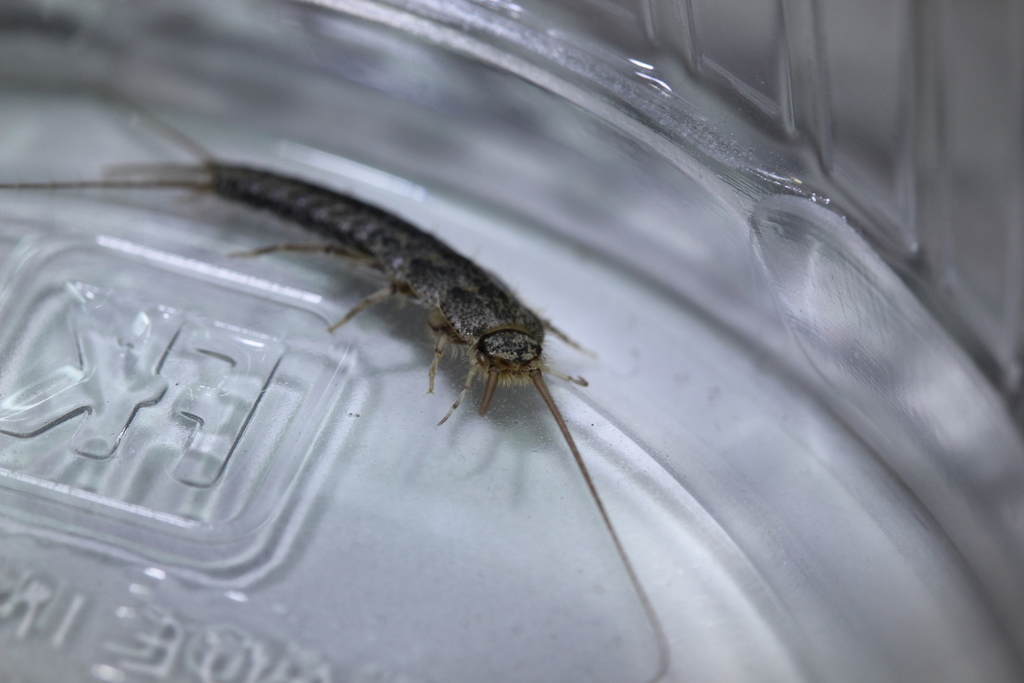
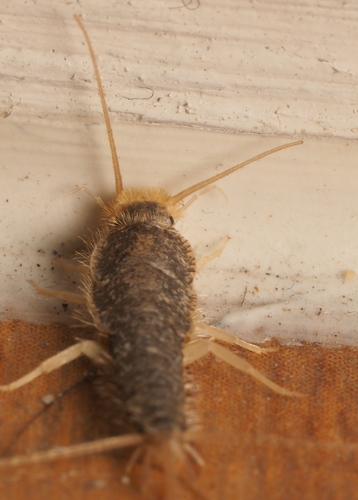
These grey, carrot-shaped insects are about half an inch long and have a shiny, silvery scale covering their bodies. They are found both indoors and outdoors in warm, moist places such as bathrooms, kitchens and garden debris. Good moisture control, sealing cracks and using residual insecticide sprays are the main ways to keep them away.
Source: extension.msstate.edu, yardandgarden.extension.iastate.edu, Wikipedia
How to recognize it
Ctenolepisma belong to the primitive order Zygentoma and are close relatives of silverfish and firebrats.
Source: Wikipedia
Size
Adults are about a half inch (≈1.3 cm) long.
Source: extension.msstate.edu
Is it a pest in the house?
They are mostly a nuisance, but they can cause minor damage to paper products like books and stored documents. They prefer moist, warm spots such as bathrooms, laundry rooms and kitchens.
Source: extension.msstate.edu, yardandgarden.extension.iastate.edu
How to get rid of it
First fix any moisture problems to repair leaks, caulk cracks and use dehumidifiers. Keep the area clean and reduce food sources to make the environment less inviting. Apply residual insecticide sprays, dusts or baits in cracks, crevices and voids for lasting control.
Source: yardandgarden.extension.iastate.edu, extension.msstate.edu
Where it lives
Some species live inside homes while others stay outdoors; many can be found in both places.
Source: Wikipedia
Where it comes from
The genus occurs worldwide in warm regions; Australia has only introduced species.
Source: Wikipedia
Lookalikes
They look similar to silverfish, with a flat, tapered body, long antennae and three rear bristles.
Where it is found in the US
Recorded in 44 of 51 states and DC. Most records: California, Texas, Florida, Virginia, North Carolina, New York, Maryland, Illinois.
Darker = more records. Counts are museum and citizen-science records, not population size.
Source: GBIF
Months it is reported in the US
Source: GBIF
More photos
Questions people ask
How do I get rid of Ctenolepisma?
Eliminate moisture sources, seal cracks, keep areas clean, and treat cracks and voids with a residual insecticide spray.
Source: extension.msstate.edu, yardandgarden.extension.iastate.edu
What do Ctenolepisma look like?
They are grey, carrot-shaped insects about half an inch long with shiny silver scales covering their bodies.
Source: extension.msstate.edu, yardandgarden.extension.iastate.edu
Where are Ctenolepisma found?
They can be found both indoors and outdoors in warm, moist locations such as bathrooms, kitchens and garden debris.
Do Ctenolepisma damage anything in the house?
They may chew and discolor stored paper items, causing minor damage to books and documents.
Source: extension.msstate.edu, yardandgarden.extension.iastate.edu
Same family (Lepismatidae)
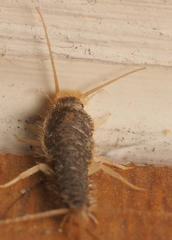 Long-tailed SilverfishCtenolepisma longicaudatumCan damage your home
 Common SilverfishLepisma saccharinumCan damage your home
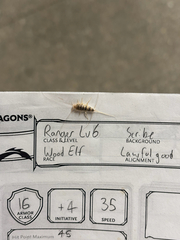 FirebratThermobia domesticaCan damage your home
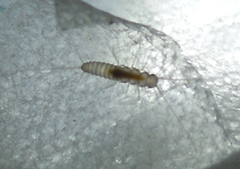 Four-lined SilverfishCtenolepisma lineatumNuisance, not dangerous
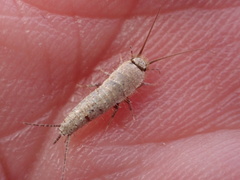 Ctenolepisma ciliatumCtenolepisma ciliatum
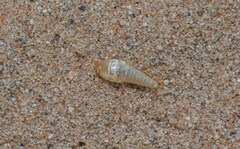 Mirolepisma deserticolaMirolepisma deserticola
Sources
- extension.msstate.edu: https://extension.msstate.edu/newsletters/bugs-eye-view/2022/silverfish-vol-8-no-19
- yardandgarden.extension.iastate.edu: https://yardandgarden.extension.iastate.edu/article/1998/4-10-1998/sfish.html
- Wikipedia: https://en.wikipedia.org/wiki/Ctenolepisma
Look it up elsewhere: GBIF · iNaturalist · BugGuide · ITIS · Wikipedia
Text written 2026-10-23 from the sources above and checked sentence by sentence against them. Data fetched 2026-10-23.