 Bug FAQ
Ctenolepisma ciliatum
Ctenolepisma ciliatum · Order: Zygentoma · Family: Lepismatidae
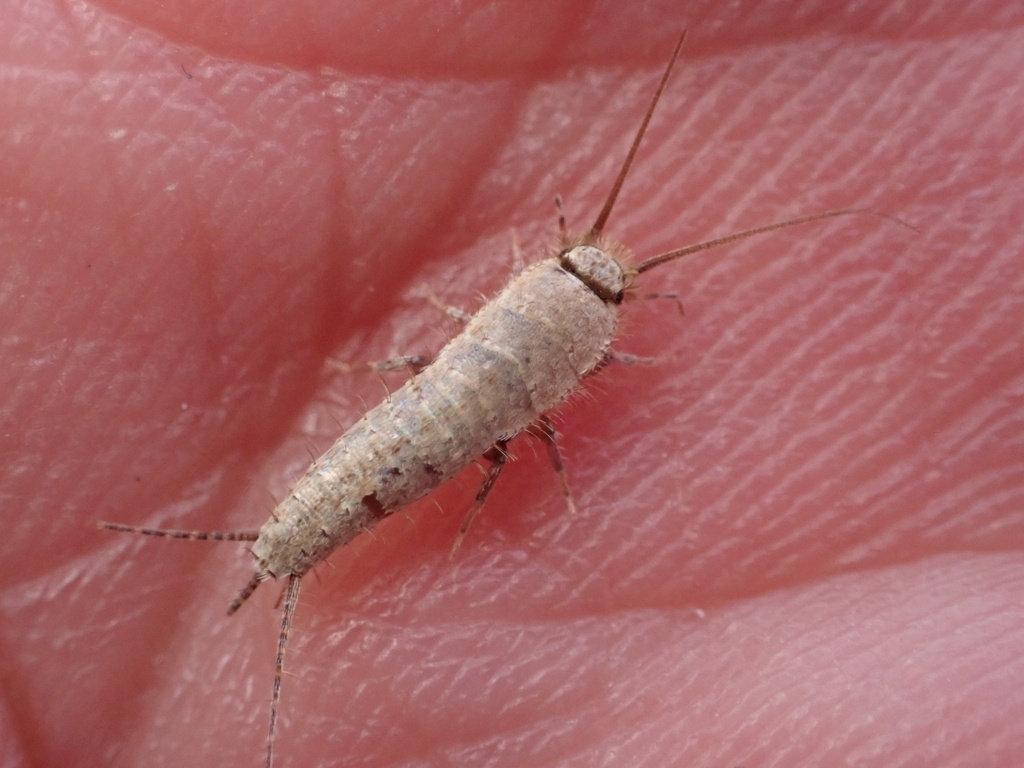
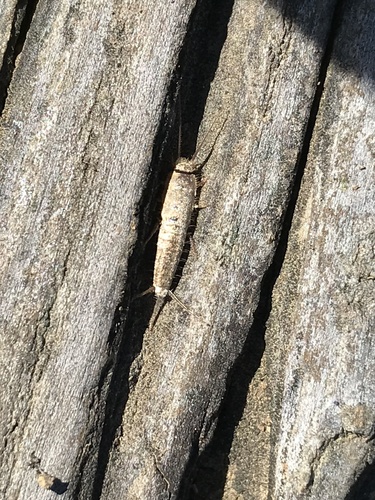
Its back is usually a uniform brownish or greyish color, sometimes with shiny iridescence or a few long stripes along the abdomen. It lives commonly in dry, Mediterranean-type habitats from Portugal across to western Asia. It was first described in Spain and is widespread throughout those same sub-arid Mediterranean regions.
Source: Wikipedia
How to recognize it
The dorsal pattern is typically uniformly brownish or greyish with iridescence, or it may show two to four longitudinal fringes on the abdomen.
Source: Wikipedia
Where it lives
It is a common species in sub-arid habitats of the Mediterranean basin, ranging from Portugal to western Asia.
Source: Wikipedia
Where it comes from
Described from Spain, it is common throughout the Mediterranean sub-arid zone from Portugal to western Asia.
Source: Wikipedia
Lookalikes
It is very close in appearance to Ctenolepisma longicaudatum.
Source: Wikipedia
Where it is found in the US
Recorded in 1 of 51 states and DC. Most records: California.
Darker = more records. Counts are museum and citizen-science records, not population size.
Source: GBIF
Months it is reported in the US
Source: GBIF
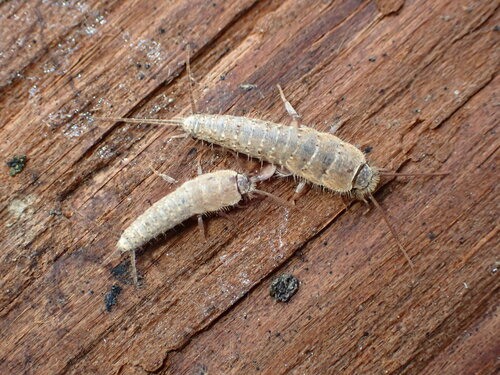
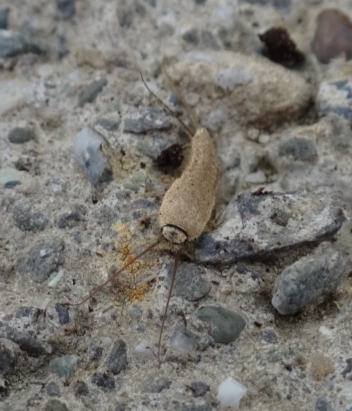
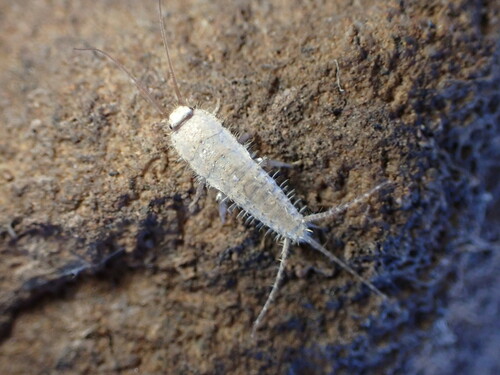
More photos
Questions people ask
What does Ctenolepisma ciliatum look like?
Its back is usually a uniform brownish or greyish color with possible iridescence, and it may have two to four long stripes along the abdomen.
Source: Wikipedia
Where is Ctenolepisma ciliatum found?
It lives in dry, Mediterranean-type habitats from Portugal across to western Asia.
Source: Wikipedia
Is Ctenolepisma ciliatum similar to any other species?
Yes, it is very close in appearance to Ctenolepisma longicaudatum.
Source: Wikipedia
Same family (Lepismatidae)
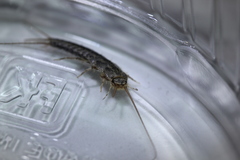 CtenolepismaCtenolepismaCan damage your home
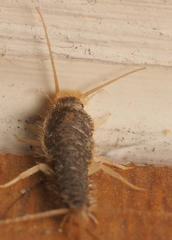 Long-tailed SilverfishCtenolepisma longicaudatumCan damage your home
 Common SilverfishLepisma saccharinumCan damage your home
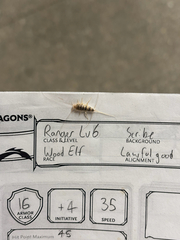 FirebratThermobia domesticaCan damage your home
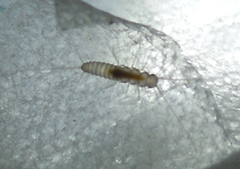 Four-lined SilverfishCtenolepisma lineatumNuisance, not dangerous
 Mirolepisma deserticolaMirolepisma deserticola
Sources
- Wikipedia: https://en.wikipedia.org/wiki/Ctenolepisma_ciliatum
Look it up elsewhere: GBIF · iNaturalist · BugGuide · ITIS · Wikipedia
Text written 2026-10-23 from the sources above and checked sentence by sentence against them. Data fetched 2026-10-23.